THE SUBSCRIPTION MODEL
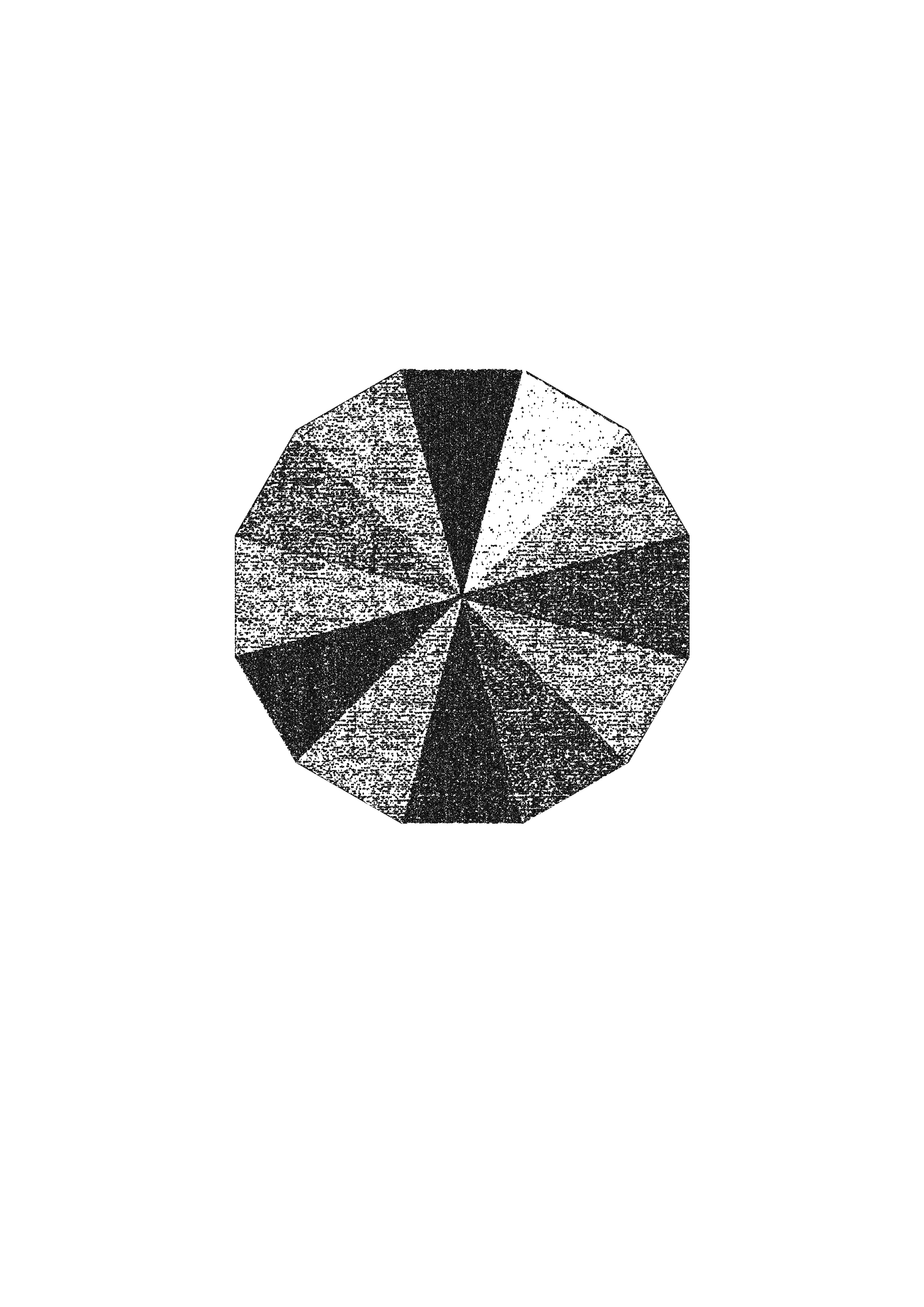
Experimental projects through a subscriber model experiment deemed unsustainable. (2010–2011)
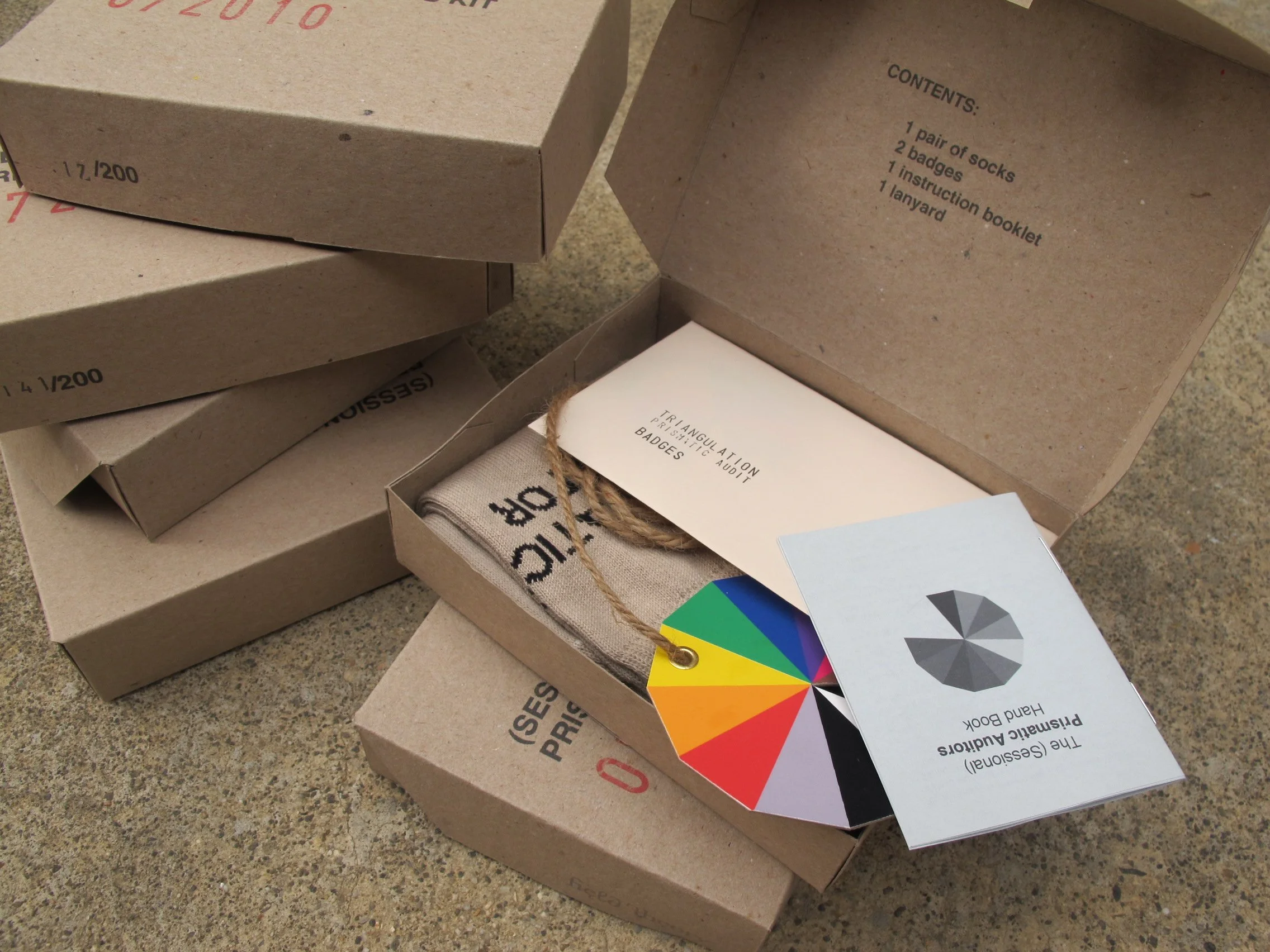
Field Theory’s first major project was a funding structure.
In 2010, just before online crowdfunding platforms became widely available, the collective invited 200 people to contribute $100 each to support a series of artist projects. The model funded eight new works across two years and required the production and distribution of hundreds of handmade gifts.
At the time, there were limited pathways in Australia for supporting experimental “live” work that sat between disciplines. Projects that didn’t fit comfortably within theatre, gallery exhibition, or festival presentation often struggled to access funding. Work that was process-based, durational, socially embedded or difficult to document tended to fall through the gaps.
The subscription model was a direct response to this condition. Rather than adapting the work to fit existing structures, Field Theory built a temporary system around the work.
Running alongside this, the collective supported the development of Live Art List Australia (LALA), an online platform initiated by Martyn Coutts. Members of Field Theory contributed writing, documentation and reflections on encounters with experimental work across the country. LALA functioned as a parallel infrastructure—part archive, part conversation, part advocacy—extending the reach of practices that were often otherwise invisible.
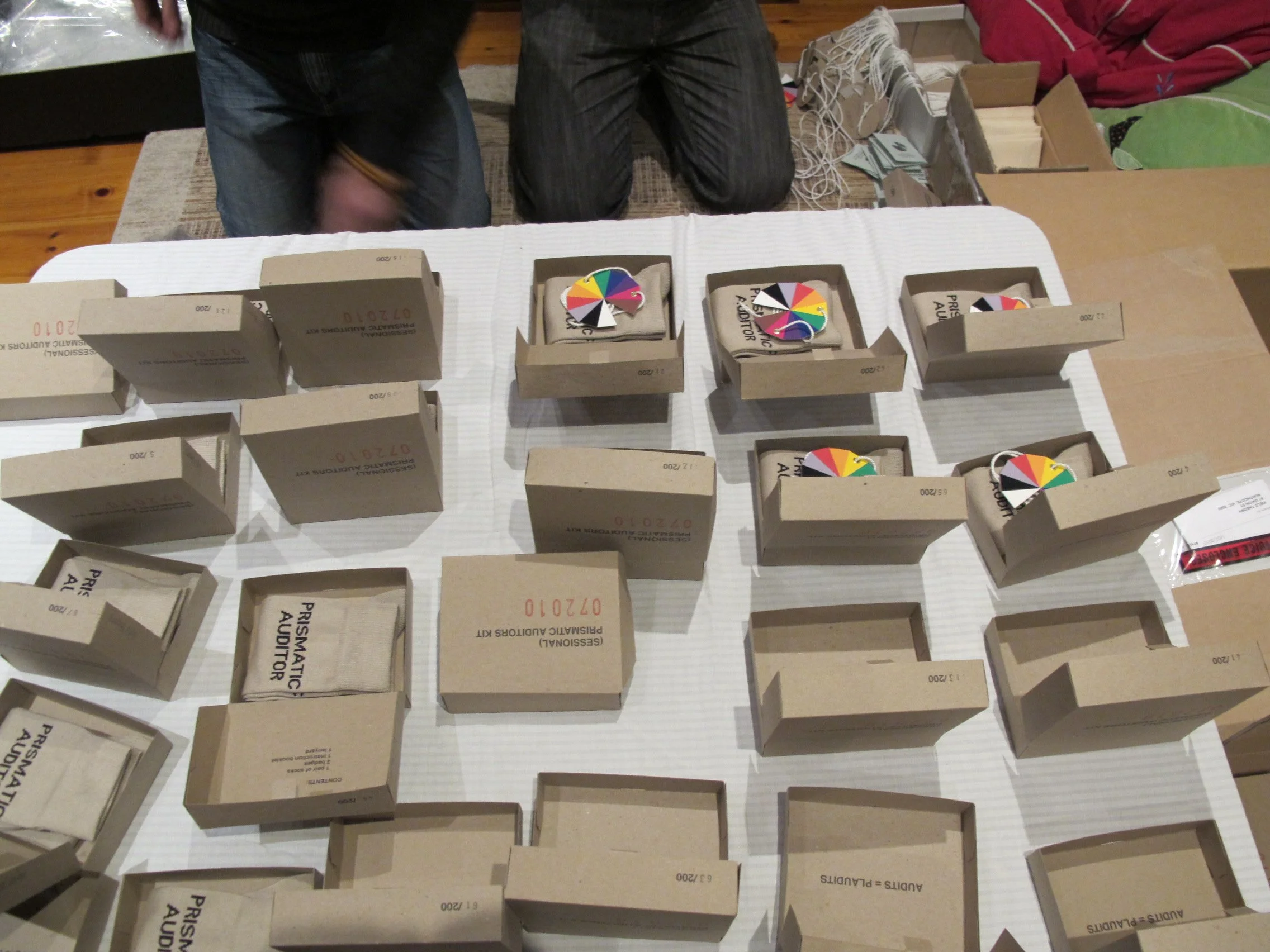
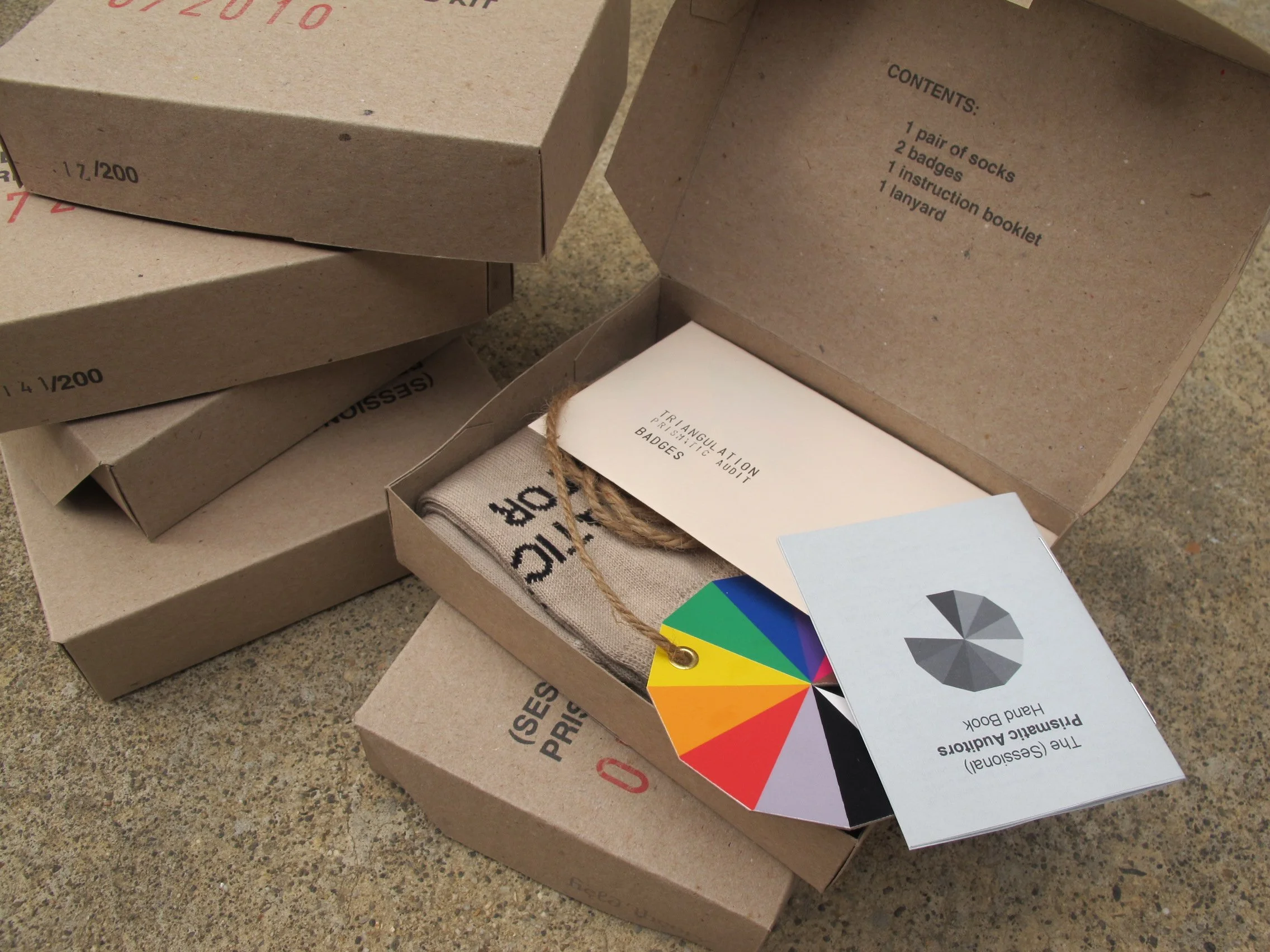
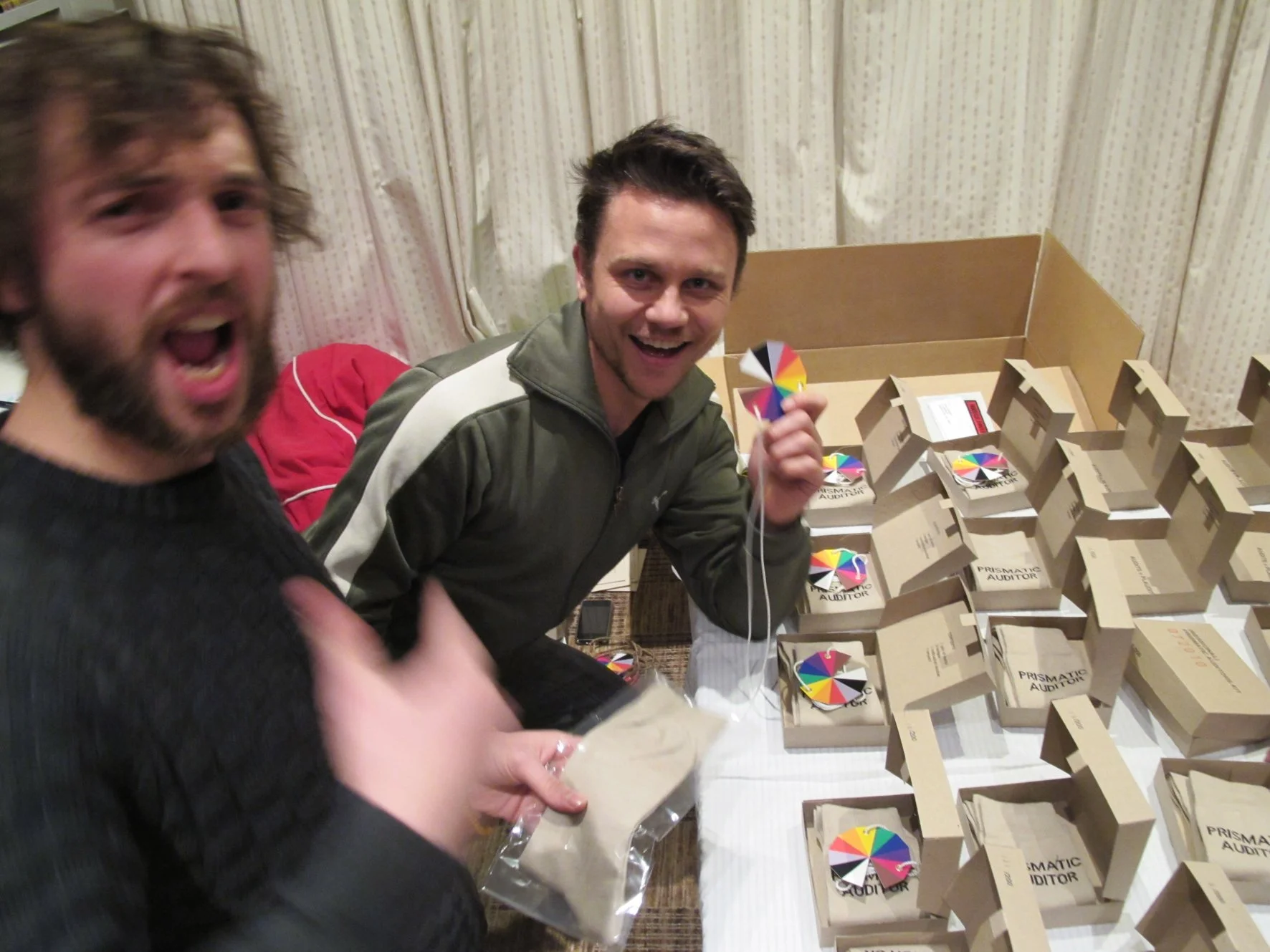
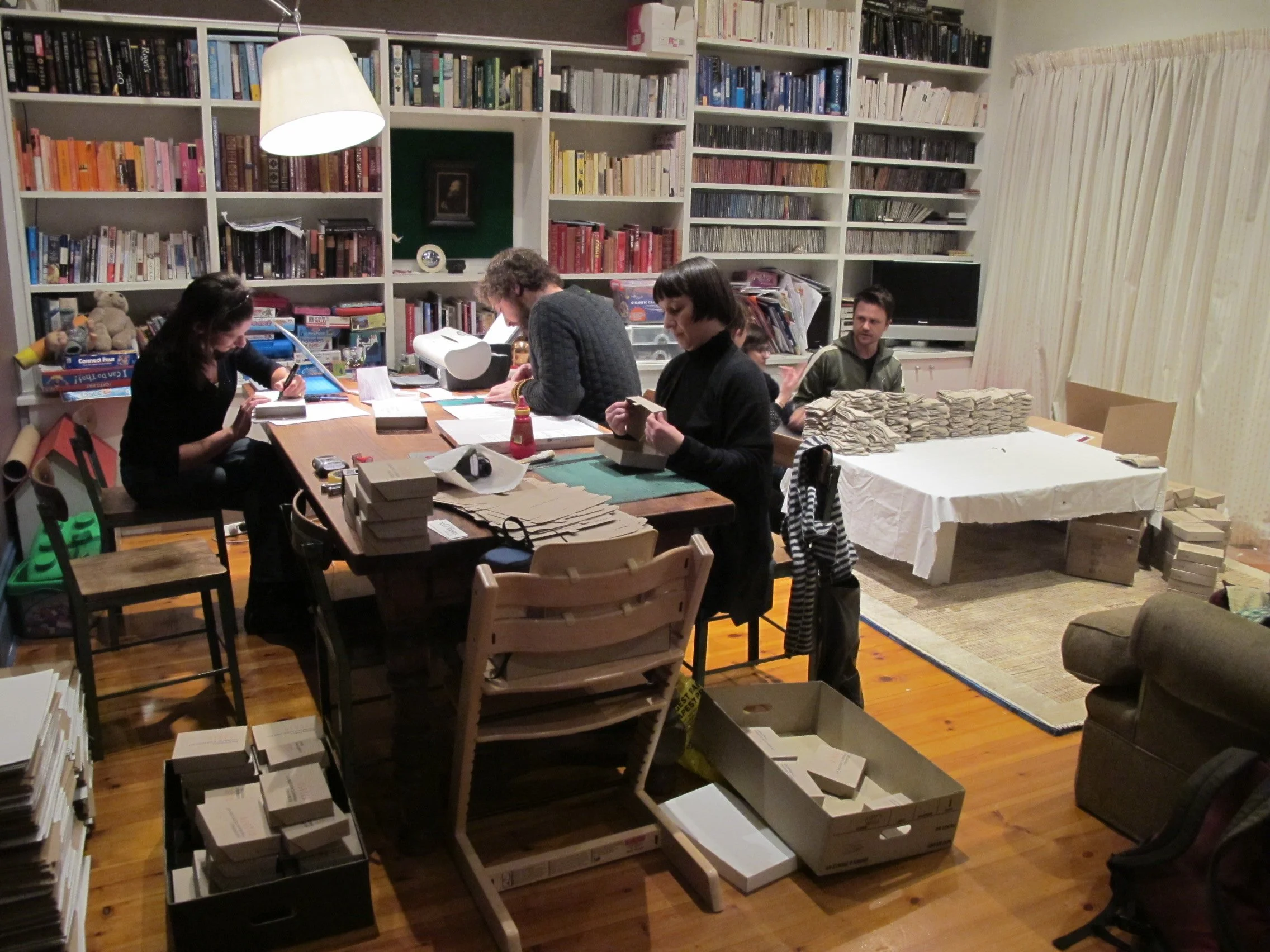
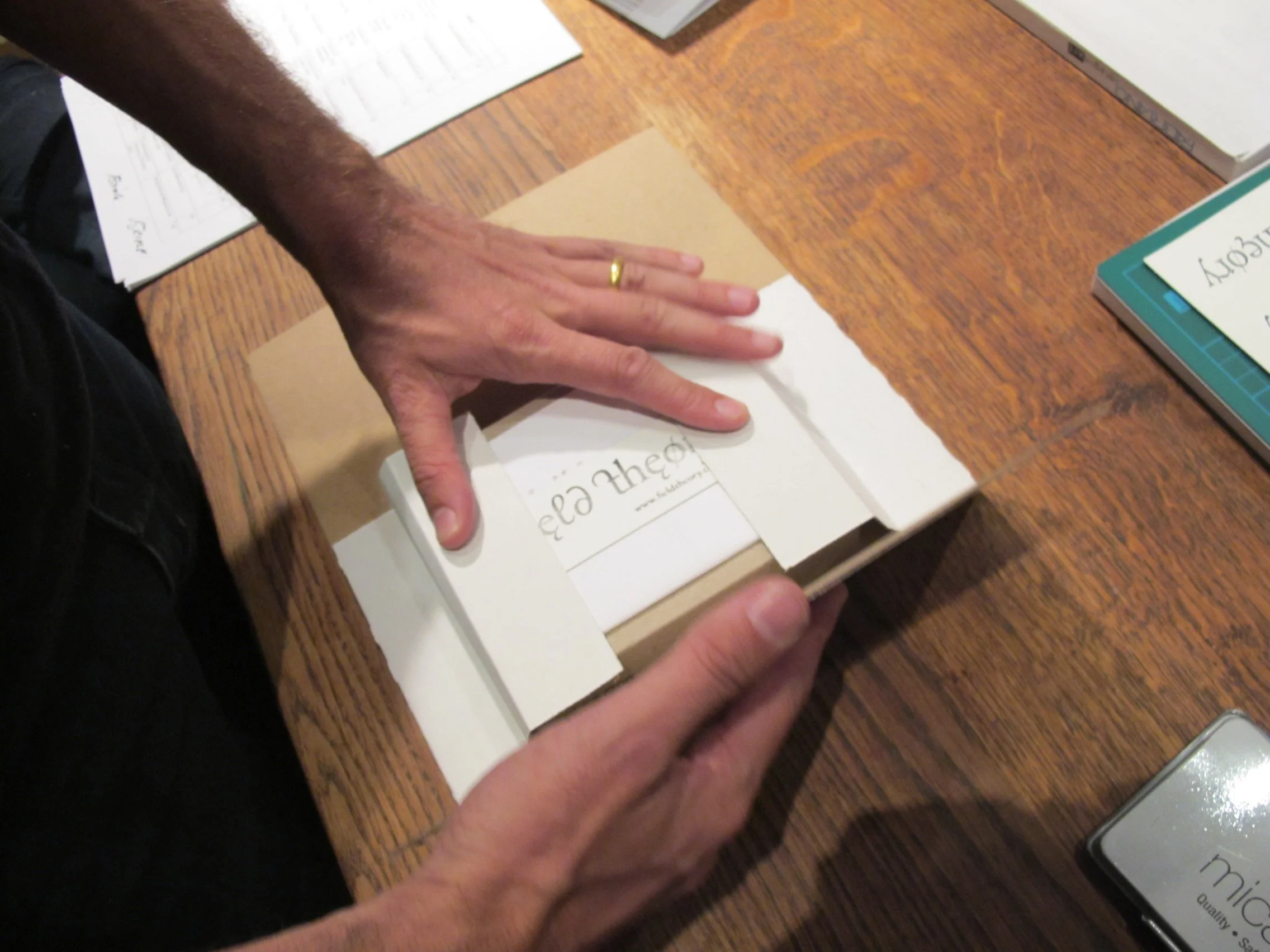
Each selected artist in the subscription model received a modest fee and was asked to produce a small editioned gift for the subscribers. These objects—socks, badges, matchboxes, instructions and other materials—translated ephemeral practices into something that could be circulated physically. The gifts were assembled, packaged and posted by the collective, often in living rooms, over long periods of time.
The project functioned as both infrastructure and artwork. It enabled practices that were otherwise difficult to support, while also producing a parallel system of labour that was, at times, unsustainable. The administrative burden was significant and frequently disproportionate to the funds raised.
At the same time, it created a distributed community around the work. Subscribers were not simply donors but participants, recipients and, occasionally, hosts.
The model lasted two years.
It worked in the sense that projects happened and a network formed.
It didn’t work in the sense that it required a level of effort that could not be maintained indefinitely.
It established a core principle that continued through the collective’s later work: that systems of support are not neutral. They can be designed, inhabited, performed and, when necessary, pushed to the point where their limitations become visible.
Supported Projects (2010–2011)
The subscription model supported eight projects:
A Prismatic Audit of Melbourne Central — Jason Maling & Torie Nimmervoll
A live audit of a shopping centre using colour, behaviour and speculation.
Void Love: A Soap Opera about Space — Willoh S. Weiland
A speculative narrative project operating across performance and media.
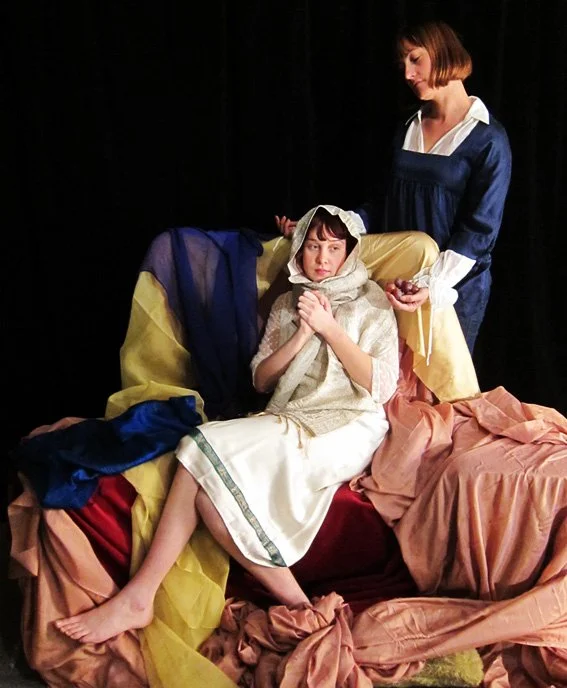
Photographs of Living Miracles — Deborah Kelly
A photographic series reimagining contemporary families through historical iconography.
A Christmas Island Snorkelling Tour — Jennifer Jamieson
A conceptual travel work engaging remote geography and narrative.
Urban Flotsam and Jetsam — Peter Burke
A collection of drawings drawn from overlooked urban material.
Strategies for Leaving and Arriving Home — Sarah Rodigari
A long-distance walk from Melbourne to Sydney.
Raw-k-n-Roll — Jackson Castiglione
An online series examining internet culture and performance.
The Democratic Catalogue — Field Theory
A collectively generated list of possible projects, voted on by subscribers, resulting in a series of potluck dinners.