SITE IS SET
Site is Set was a three year program, commissioning artists to create performances shaped by the specific conditions of unusual sites all across Melbourne. (2013 - 2016)

About the program:
Site is Set was a three-year commissioning and production program that extended Field Theory’s earlier experiments in artist-led support into something larger, riskier and only partially sustainable.
The title took some time to land. There was a brief flirtation with Site as Set, which suggested a backdrop or a container for action. Site is Set eventually stuck because it was more direct. The site was not a stage. It was the condition. Once a site was chosen, the work had to deal with it.
The program was made possible through a 2014 Australia Council Emerging Presenters Grant. It allowed Field Theory to commission four new works each year and to produce them in close succession. What emerged resembled a festival, although it did not fully behave like one and was not always legible as such to audiences.
The works took place across a wide range of locations that were already active in other ways. These included an abandoned space museum at Melbourne Airport, the Royal Exhibition Building, a dog park, a Masonic lodge, a private lounge room, Eureka Tower, Calder Park Raceway, a suburban dance competition, Queen Victoria Market, Alliance Française, the National Gallery of Victoria and a series of corporate foyers in the CBD.
Field Theory’s role shifted significantly during this period. Rather than simply funding projects, the collective became deeply embedded in their development and delivery. This was often described internally as a “360-degree” model of producing. It involved working with artists across concept development, dramaturgy, site selection, permissions, logistics, fundraising, audience generation and presentation.
It was, in effect, an offer of total support.
The invitation to artists was deliberately contradictory. It was open in that it encouraged ambitious, site-responsive thinking. It was narrow in that the work needed to hold within a very specific set of real-world conditions. Some artists were working at this scale and complexity for the first time and found the process transformative. Others arrived with more defined projects and engaged with the model differently. There was no single way through it.
Part of the work for Field Theory was knowing when to step in and when to step back. Some projects required strong producing and structural intervention. Others required restraint. The balance was not always clear.
The scale of what was attempted quickly became apparent. Each work carried its own set of negotiations with councils, institutions, private stakeholders and the public. Producing these projects without the infrastructure of a major festival or institution meant that the collective had to build those support systems from scratch each time.
It was ambitious, complex and frequently under-resourced.
The program also blurred distinctions between roles. Field Theory curated the program while also commissioning and presenting their own work within it. This was not treated as a conflict. It was understood as part of a broader ecology in which artists supported other artists while remaining embedded within that community themselves.
Across the three years, twelve projects were realised. They ranged from intimate, almost invisible social encounters to large-scale durational works and site-wide performances involving hundreds of participants. Some blended seamlessly into their environments. Others deliberately disrupted them.
What linked them was a commitment to working with the conditions of the site rather than against them.
Audience experience became central. People were often required to travel, wait, enter unfamiliar environments or participate in loosely structured situations. The work began before the “performance” and often continued after it. Hosting was not an add-on. It was part of the form.
The program generated a loyal but relatively contained audience. It also revealed the limits of the model. Coordinating multiple complex works without a stable institutional framework placed significant pressure on the collective. By the third year, the intensity of delivery began to outweigh the sense of reward.
Despite this, the program had a clear impact. It enabled artists to realise projects that would have been difficult to produce elsewhere and demonstrated a viable alternative to traditional commissioning models. It showed that artists could allocate resources to other artists and build the conditions necessary for ambitious, site-based work to occur.
It also made visible the labour required to do so.
SITE IS SET — WORKS
2014
Astrojet — Zoe Meagher
Abandoned Space Museum, Melbourne Airport
A sci-fi audio tour staged in a disused museum. Audiences were bussed to the airport and guided through a speculative narrative that treated the site as both relic and future ruin. The project briefly triggered a police response, which added an unintended layer of realism.
Exposition — Lara Thoms & Jason Maling
Royal Exhibition Building, Carlton
A meta-expo bringing together representatives from disparate subcultures including cosplay, free-form knitting, tattooing and psychic technologies. A small community formed inside the larger art fair, complete with a Dalek that acquired a hand-knitted scarf.
My Best Friend — Malcolm Whittaker
Edinburgh Gardens Dog Park, North Fitzroy
A guided walk with local dog owners sharing stories of deceased pets. The work quietly unfolded within the rhythms of the park and became an unexpectedly sincere public ritual.
Use Your Illusion — Bron Batten
Collingwood Masonic Lodge
A performance inside a functioning lodge that leaned into ritual, secrecy and suggestion. Audiences entered a symbolic system that felt both theatrical and slightly off-limits.
2015
The Talk — Mish Grigor
Private home, East Brunswick
A tightly structured performance staged in a share house living room. It examined communication, gender and authority through an escalating social encounter in a domestic setting that could barely contain it.
Running Up a Skyscraper — Matt Prest
Eureka Tower
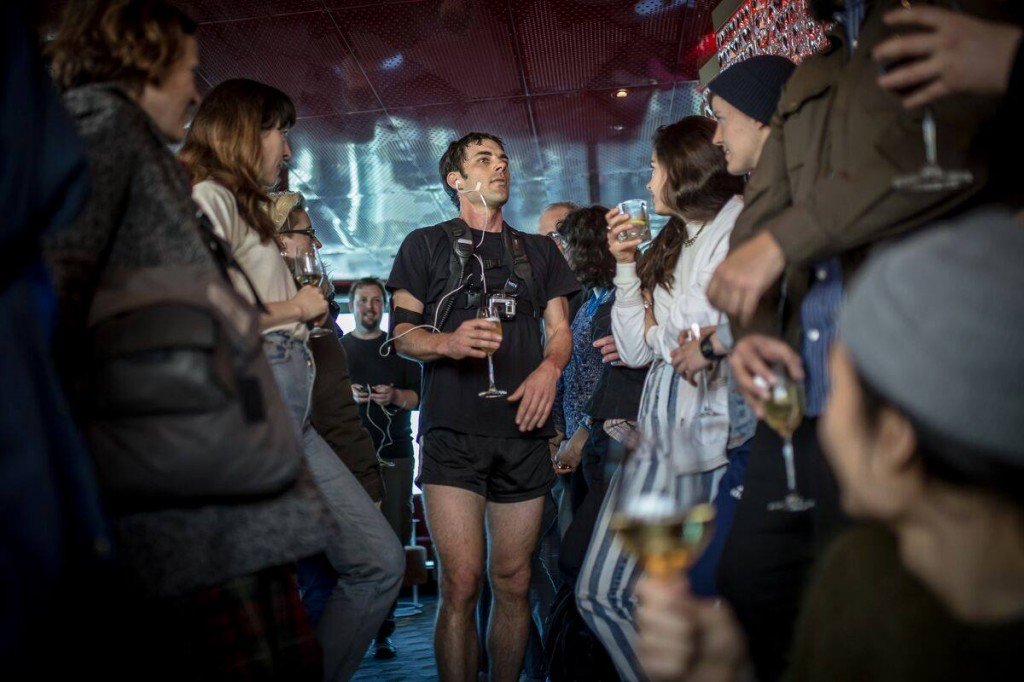
A live endurance performance in which Prest ran up the tower stairs and immediately delivered a lecture at the top. Equal parts athletic feat and conceptual breakdown of architecture, capitalism and the heroic gesture.
MASS — Zoe Scoglio
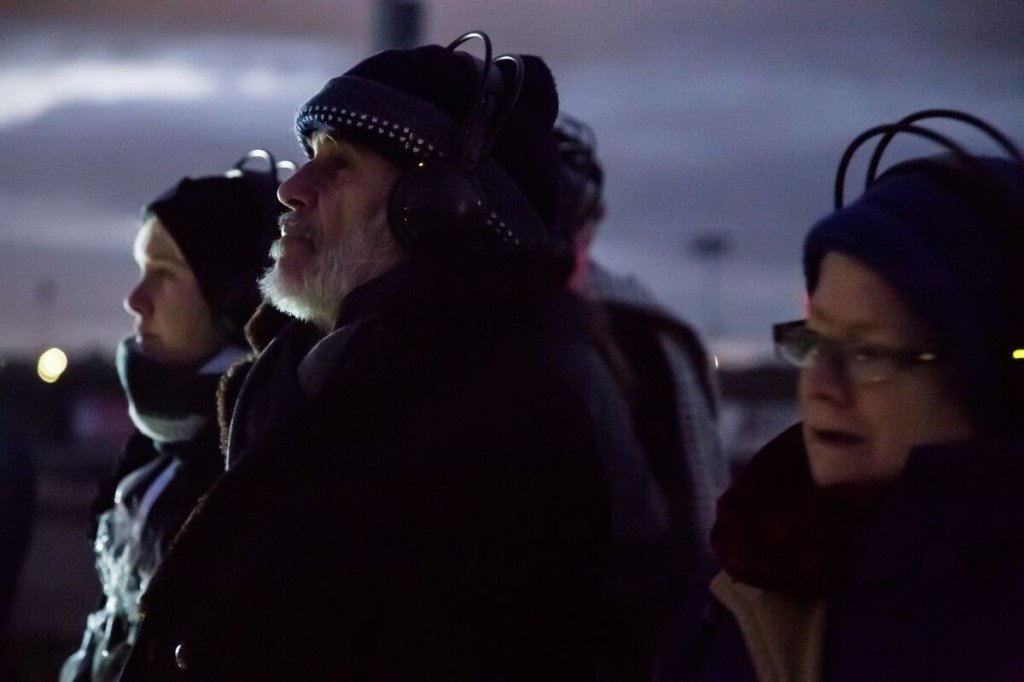
Calder Park Raceway
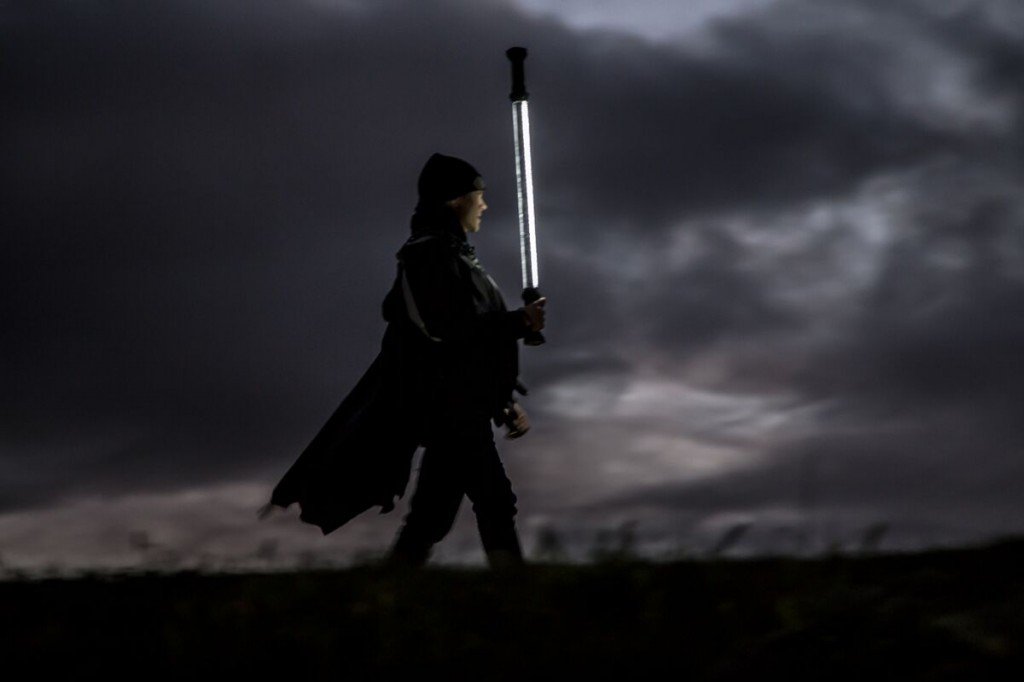
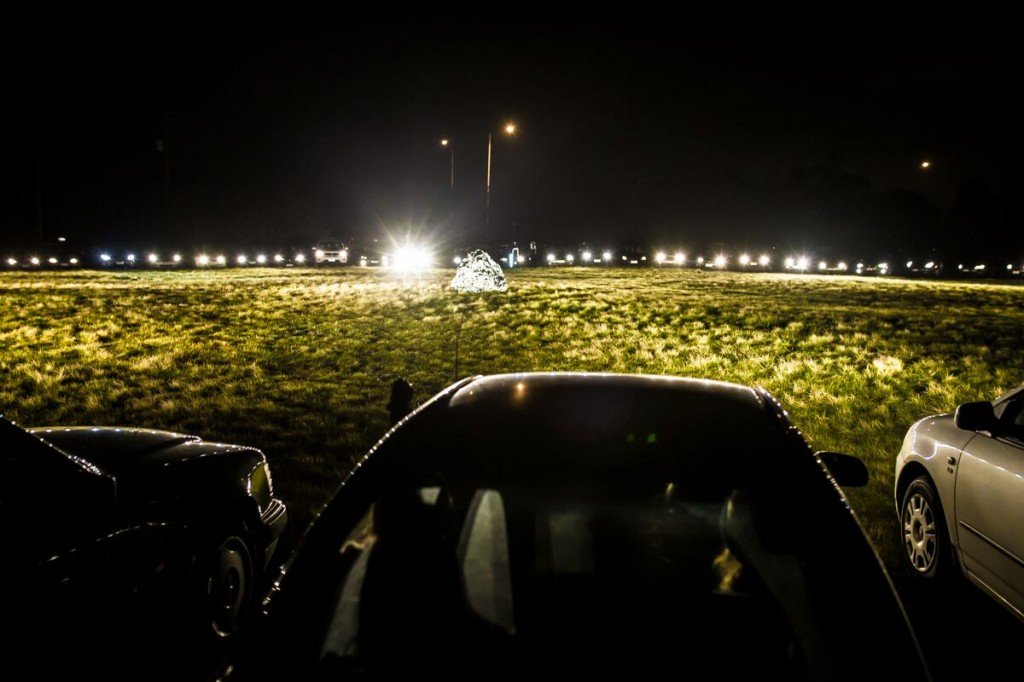
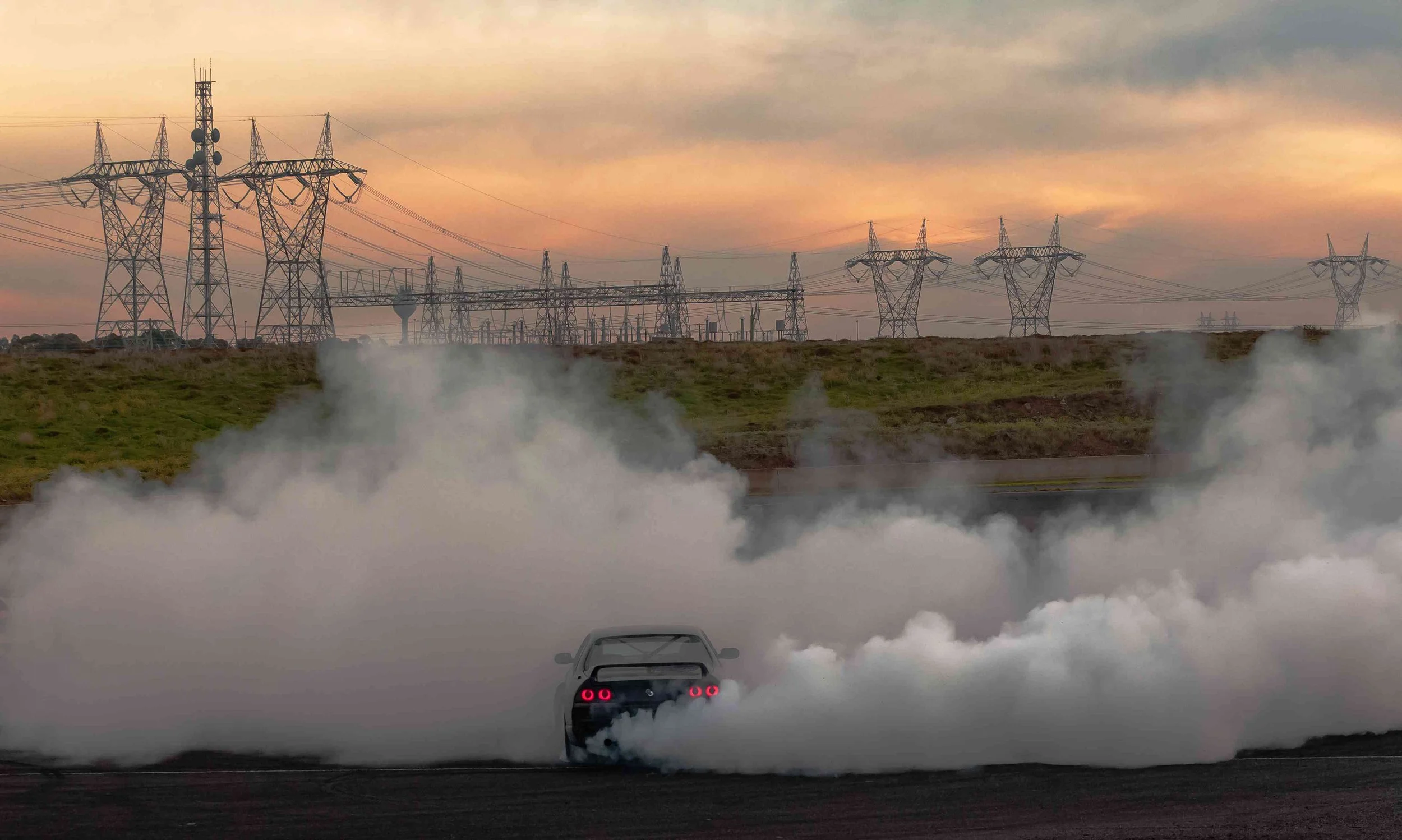
A large-scale twilight performance exploring geological time, car culture and collective experience. Audiences moved through the site with headphones, witnessing choreographed cars, sound environments and a slow drift into something closer to ceremony.
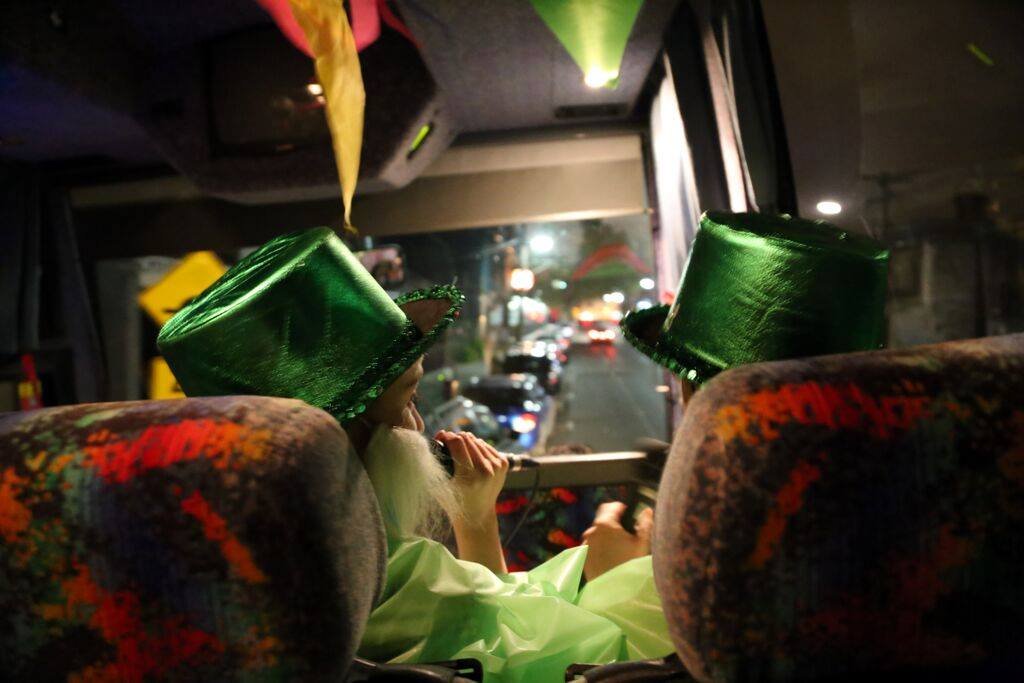
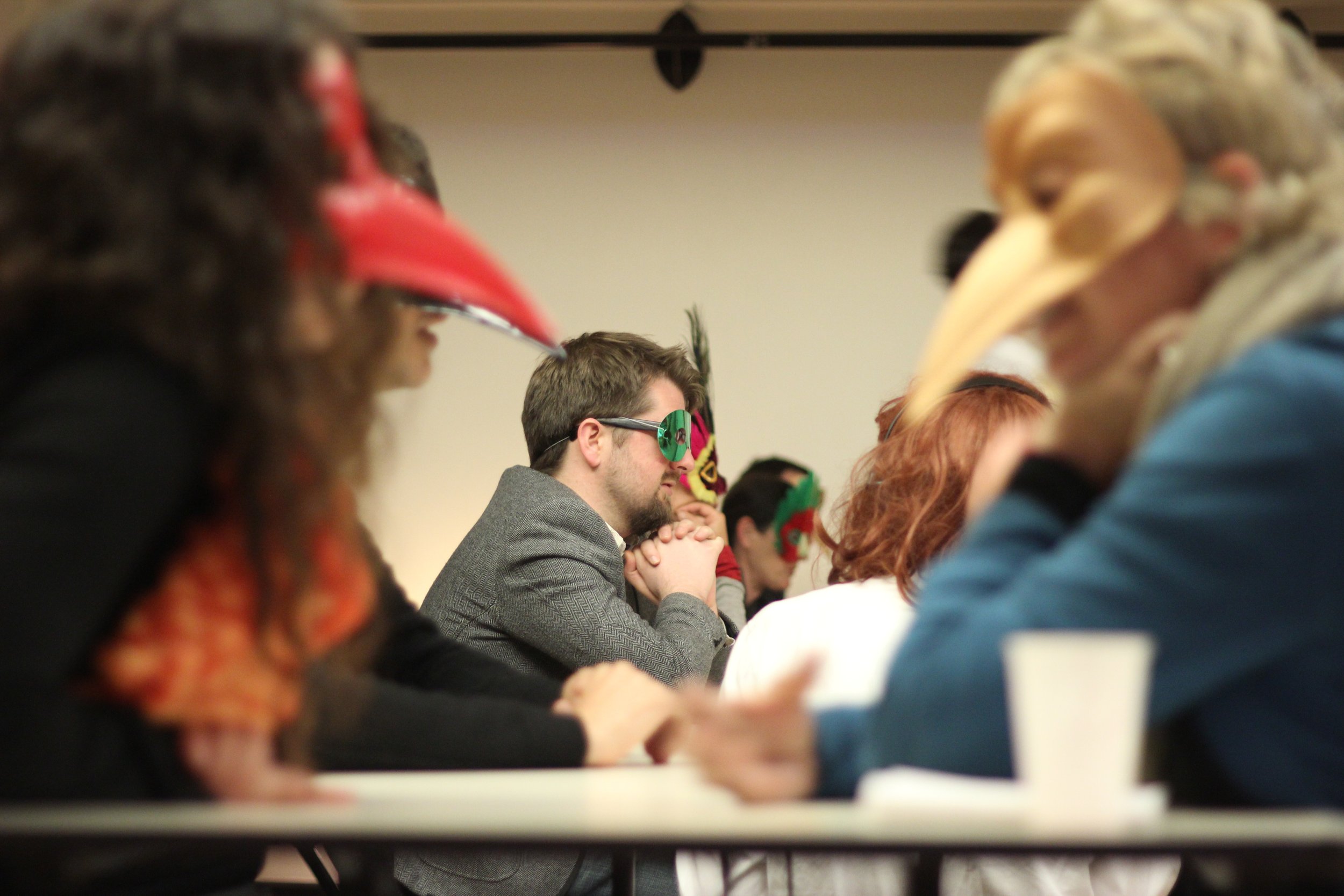
Rainbow Leprechaun! — Jackson Castiglione
Suburban dance competition
A group of primary school performers entered a real dance competition and gradually dismantled its conventions. The work moved between humour, critique and genuine risk, ending in the destruction of a large rainbow prop. The performers won their category. They were the only entrants.
2016
9000 Minutes — Field Theory
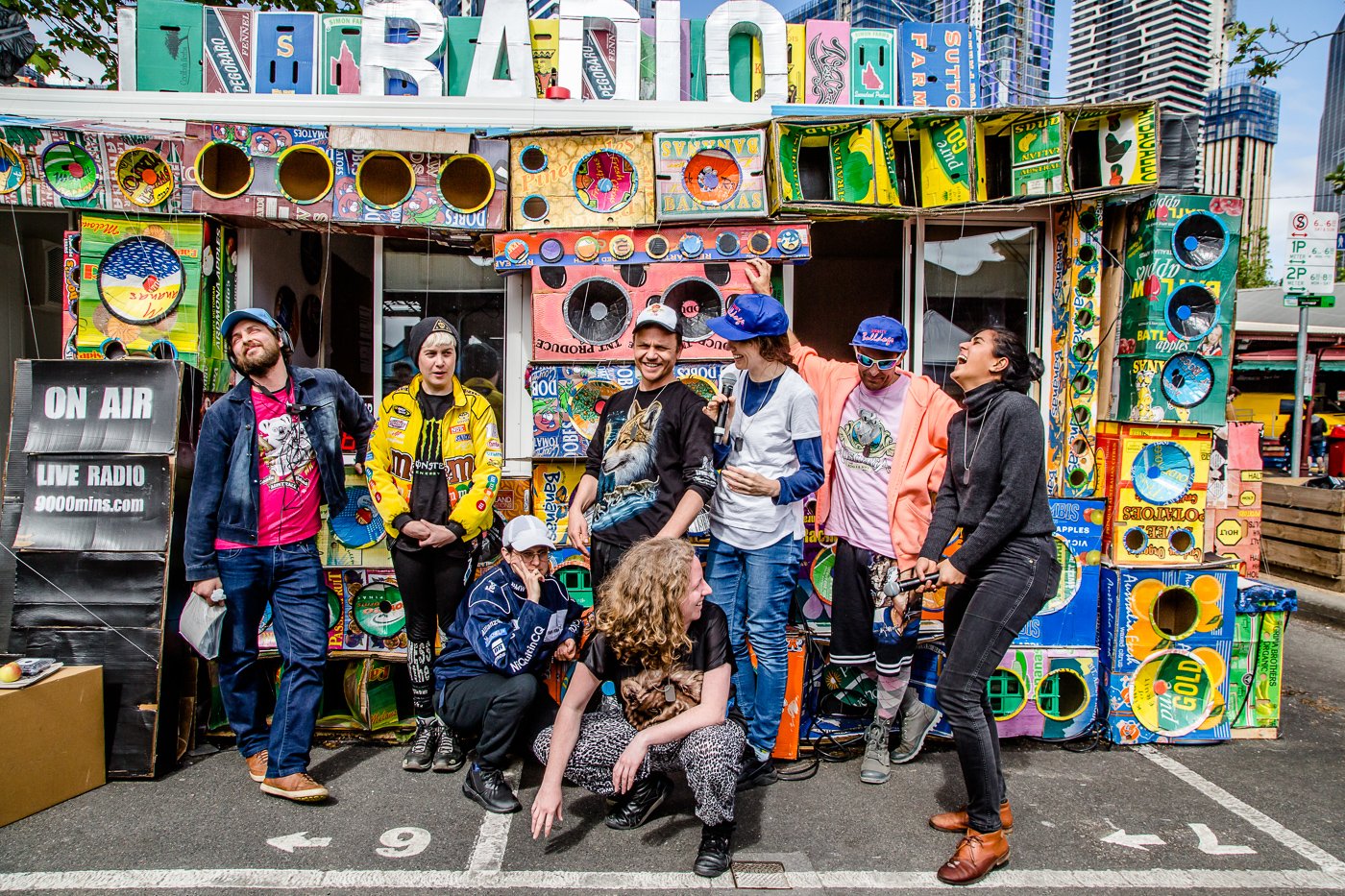
Queen Victoria Market
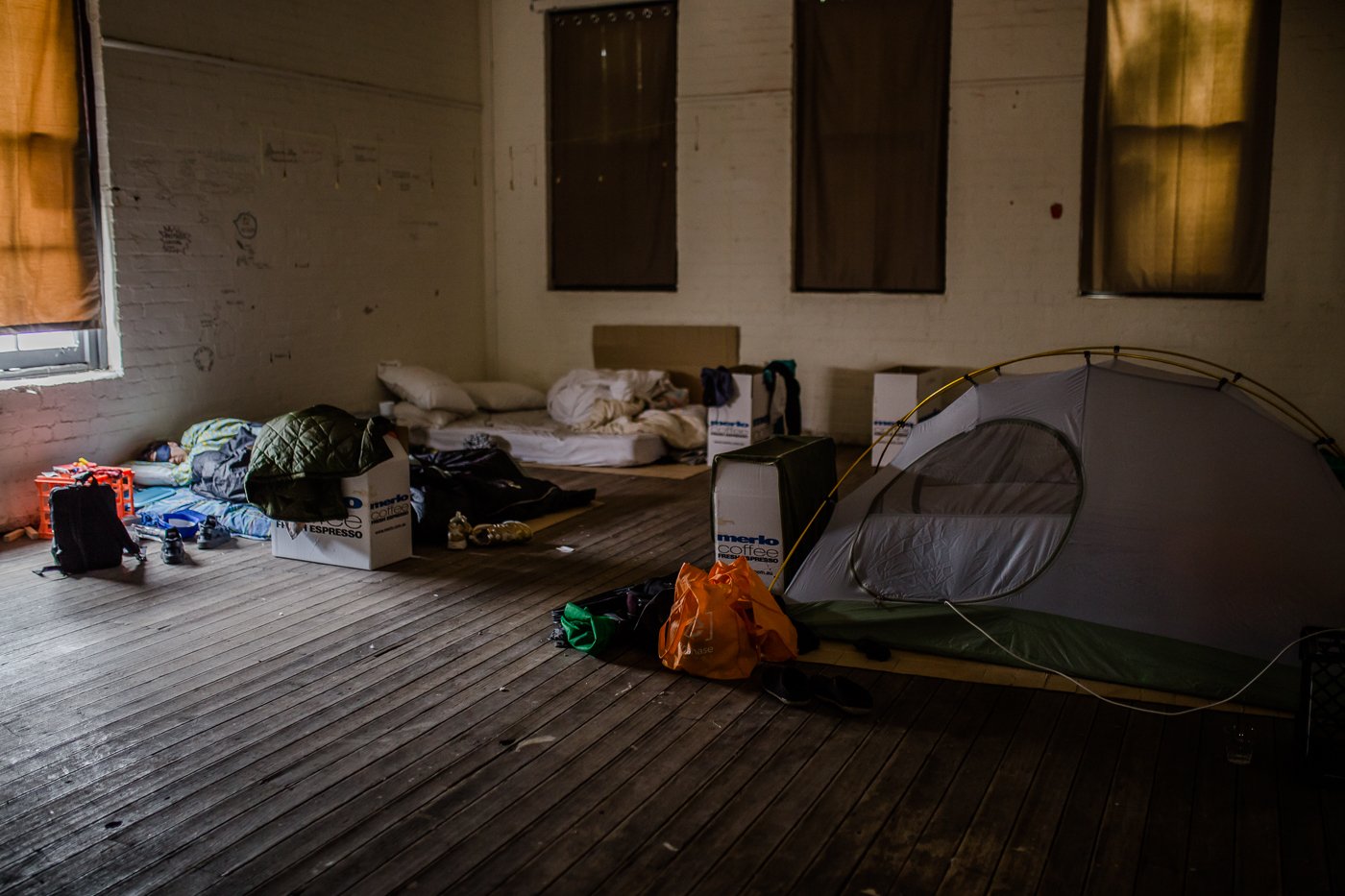
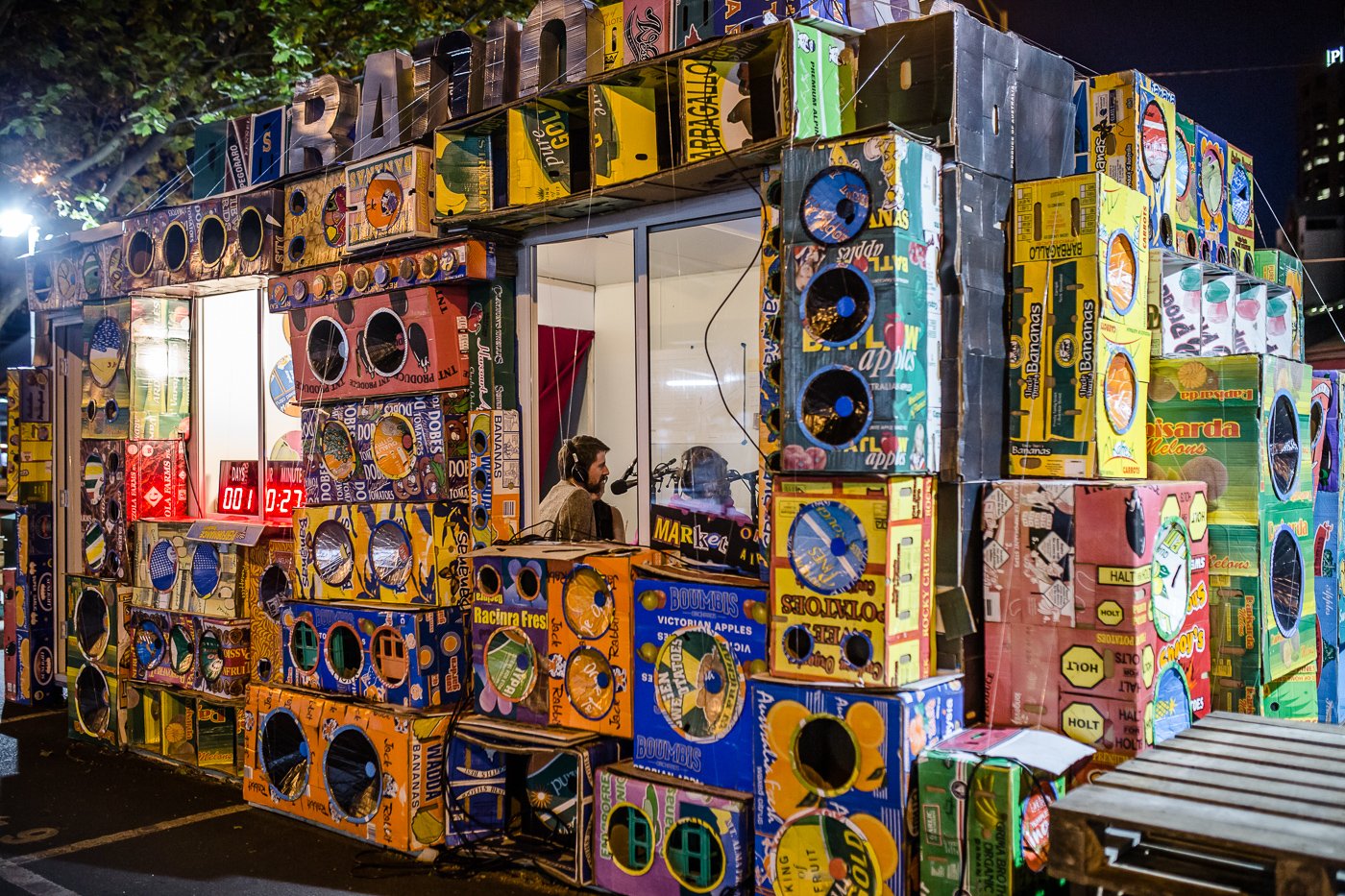
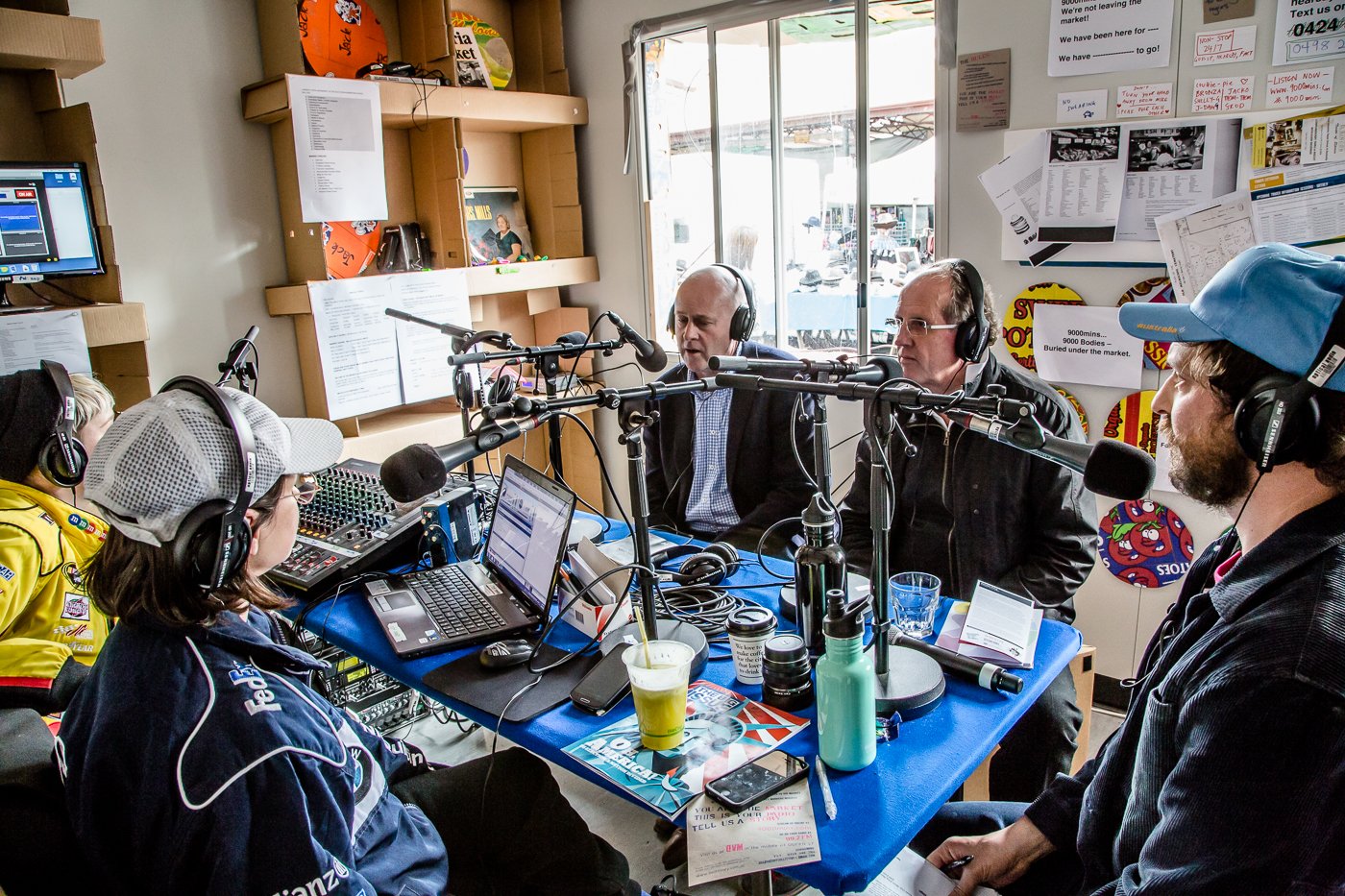
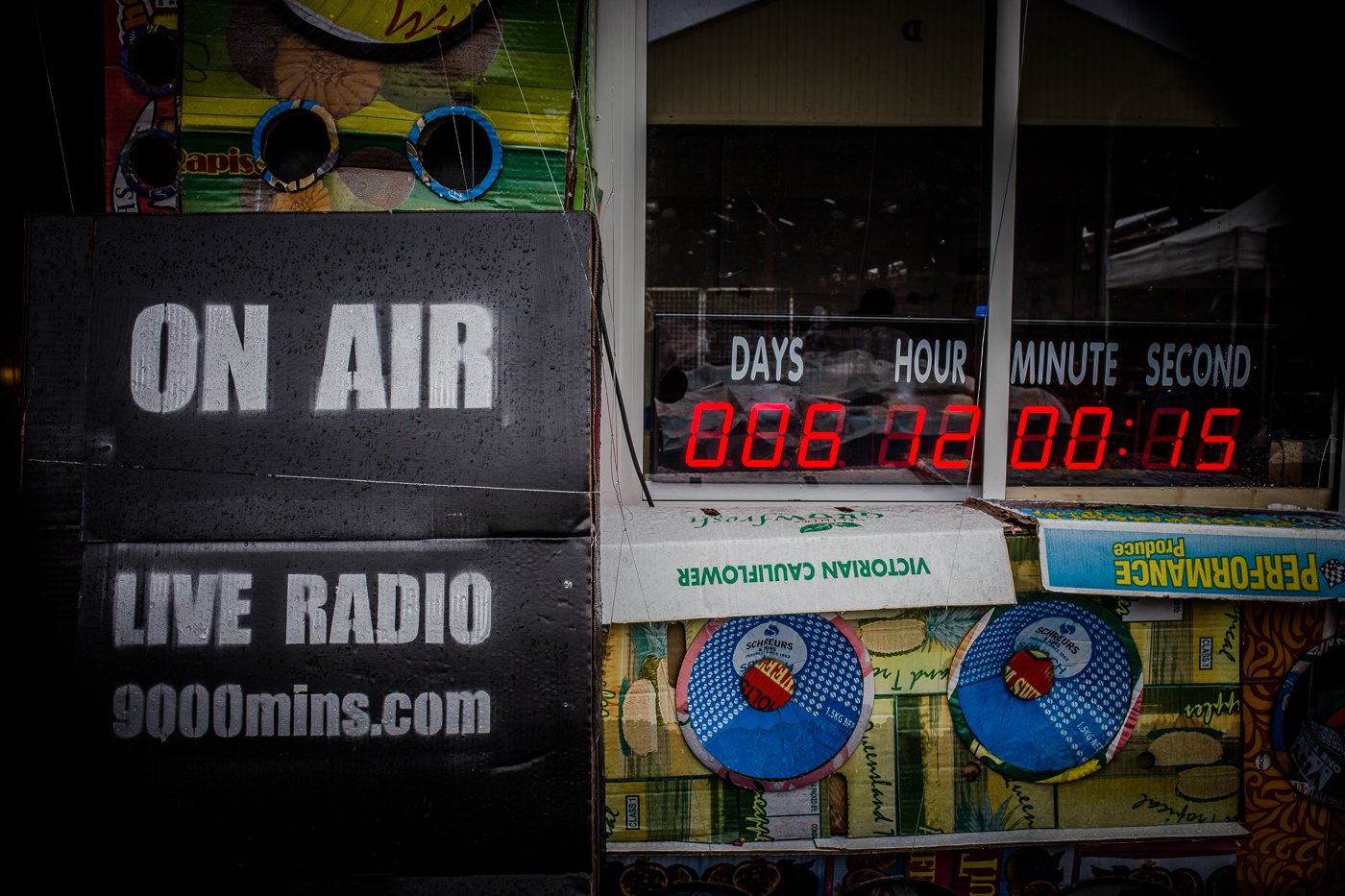
A continuous six-and-a-half-day radio broadcast staged inside the market. The duration matched both the market’s operating cycle and the estimated number of graves beneath it. The work accumulated conversations, exhaustion and a temporary collective mythology.
The Interpreters — Nicola Gunn
Alliance Française de Melbourne
A performance examining language, translation and authority. It unfolded through a series of misalignments between what was said, what was meant and what was understood.
Death to the White Horse — Jess Olivieri
National Gallery of Victoria
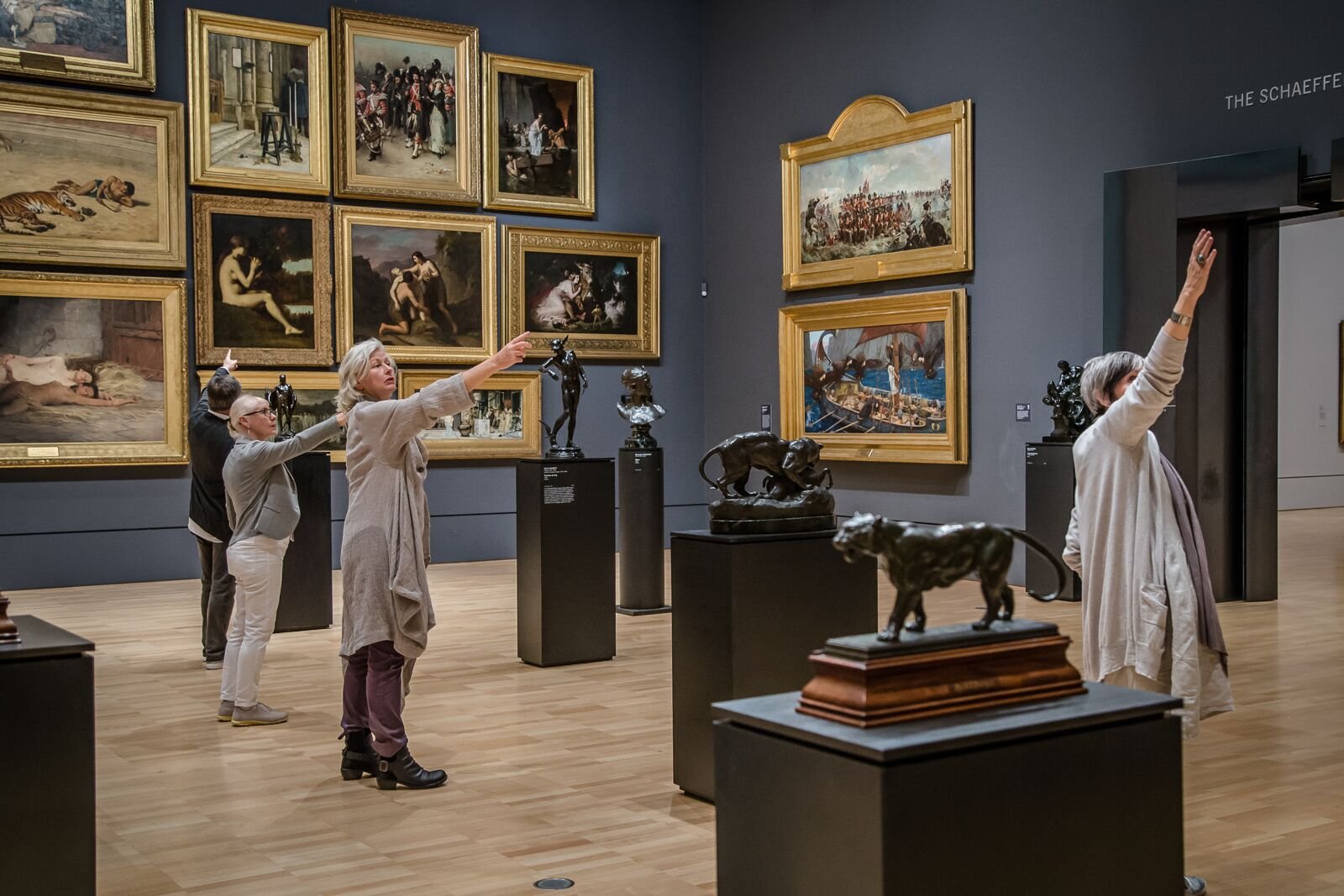
A performative tour that disrupted official art histories by focusing on the recurring figure of the white horse. Volunteer guides, performers and competing narratives slowly destabilised the authority of the institution.
Shell Game — Martyn Coutts
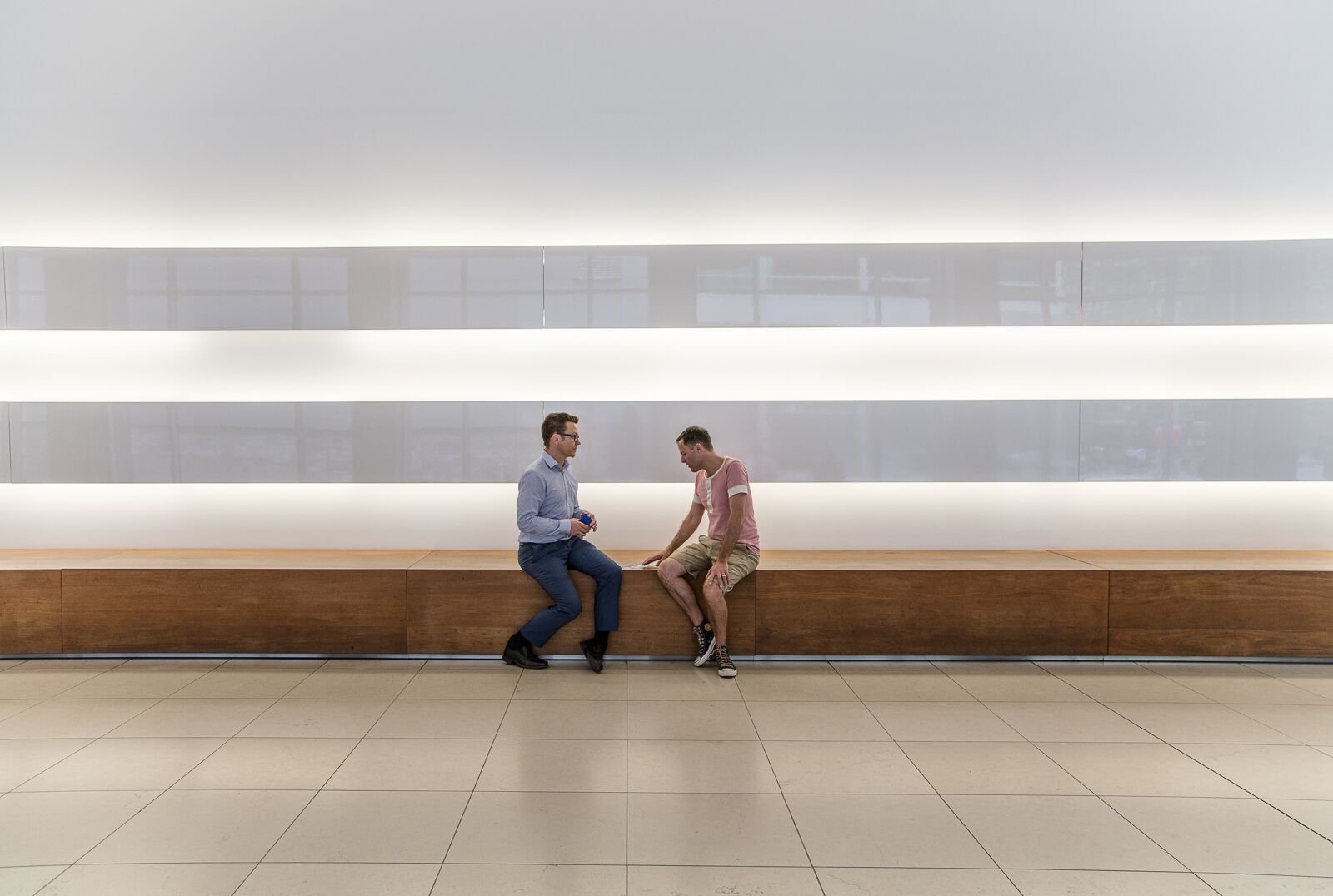
Corporate foyers, Melbourne CBD
A one-on-one performance moving participants through office towers using a deck of speculative “island” cards. The work explored geopolitics, capital and belief systems through quiet misdirection in highly controlled environments.