KIDS VS ART
Kids vs Art was a podcast where children reviewed contemporary art with candid, unfiltered perspectives, positioning them as critical voices rather than passive audiences. (2016–2017)
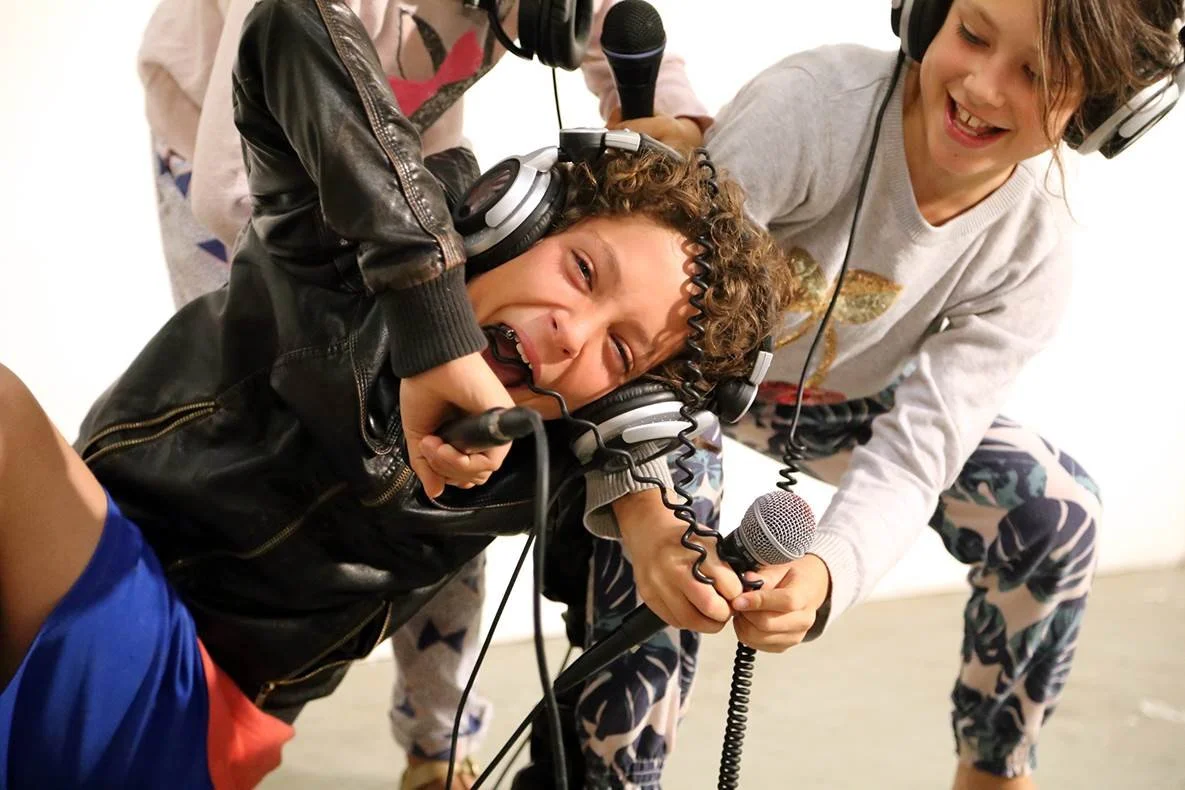
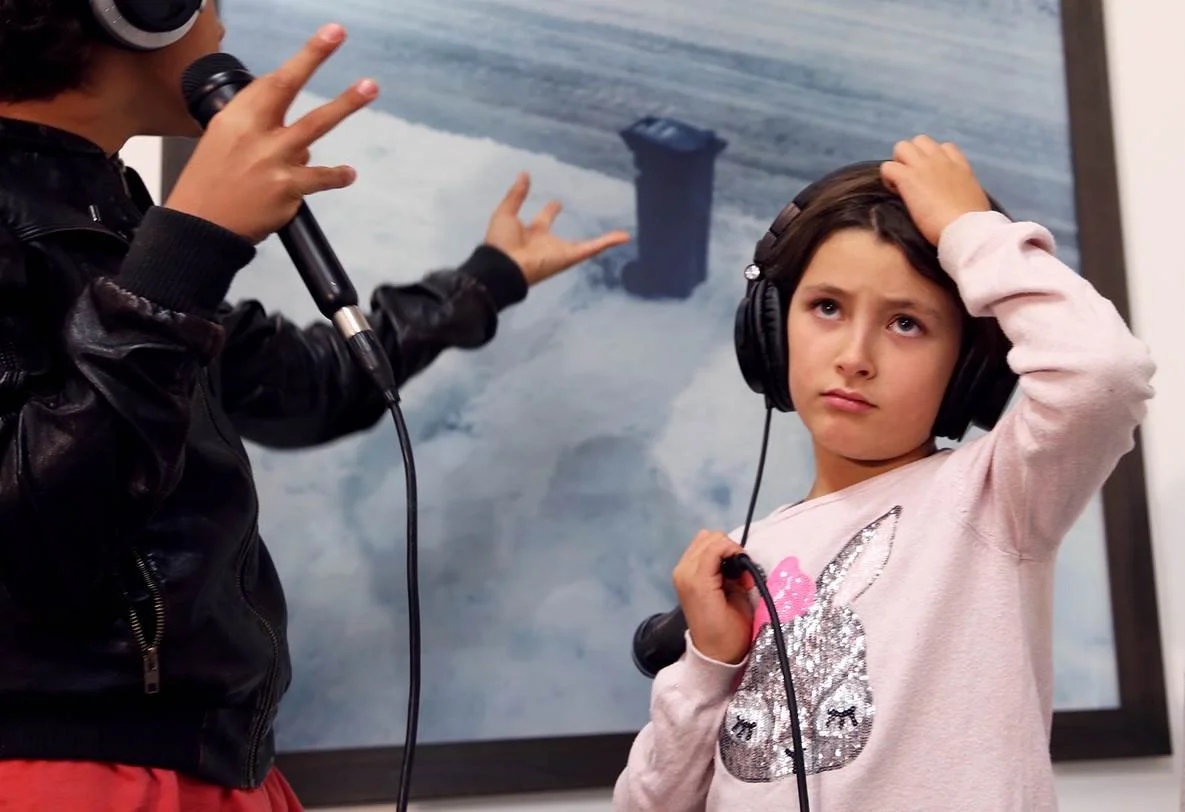
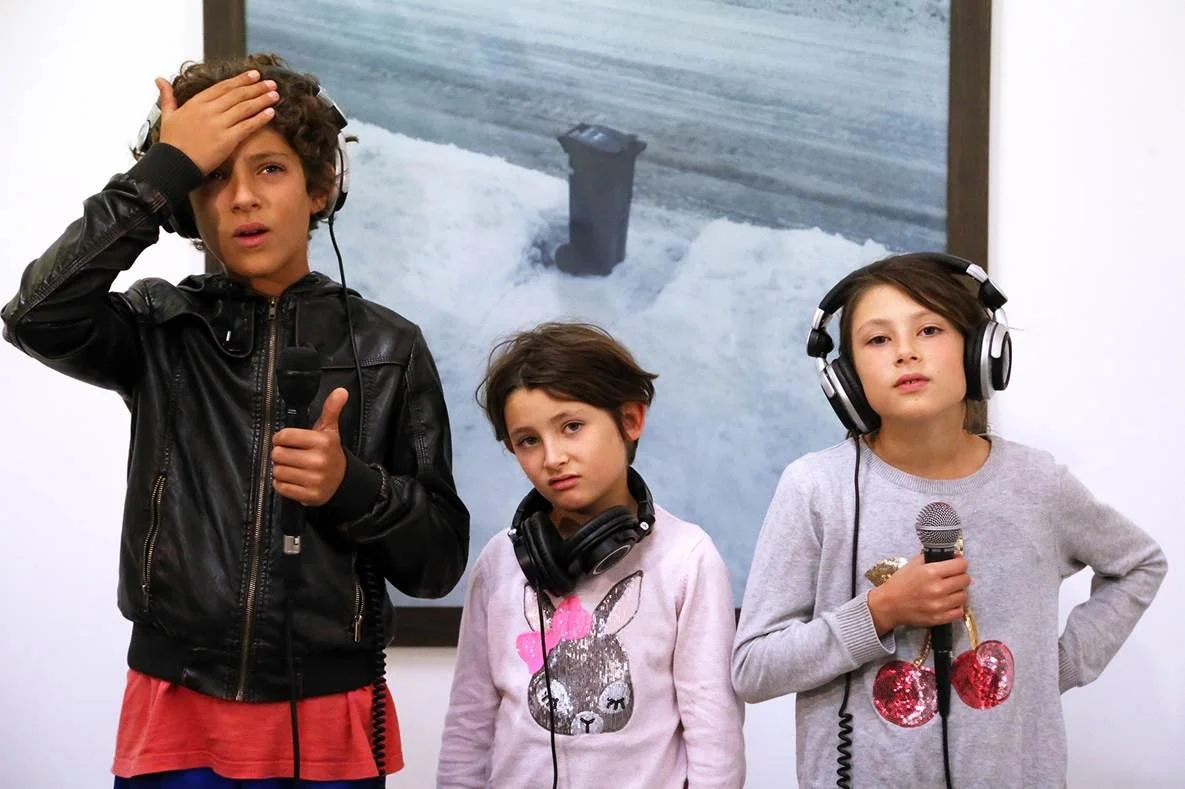
Kids vs Art was a podcast series in which a group of children were given microphones and asked to review contemporary art.
Each episode followed a loose structure. The kids met an artist or cultural figure, went to see a work, and then delivered a review. The adults were present but secondary. Authority sat with the children, who were encouraged to respond honestly, critically and without the usual politeness protocols that shape arts discourse.
This produced a range of outcomes. Some guests were handled gently. Others were told they seemed depressed, dressed badly, or not particularly convincing. The responses were direct, occasionally uncomfortable and often accurate.
The project was initiated by Arts House and developed by Field Theory, with Jason Maling and Jackson Castiglione leading the first series. Many of the participants were drawn from Jackson’s work as a primary school teacher, selected not randomly but for their distinct perspectives and presence.
The cast developed quickly. There was Lola, who liked everything; Venu, who preferred McDonald’s to most performances; Finn, who appointed himself the mean judge; Annabel, who consistently gave musicals five stars; and Isaac, who asked questions no one else would ask, including whether a respected artist might secretly be Hagrid.
The format imposed constraints. Episodes were short, turnaround times were tight, and much of the work happened in the edit. This created a tension between the live encounter and the recorded outcome. Conversations had to be shaped, cut and delivered quickly, which sat slightly at odds with Field Theory’s usual interest in durational, open-ended exchange.
Despite this, the project extended a consistent thread within the collective’s practice. It brought non-professional voices into direct dialogue with art and treated them as collaborators rather than audience. In this case, the collaborators were children, positioned not as participants in an educational exercise but as artists with agency.
The second iteration, developed with The Wired Lab, shifted into a regional context and compressed production into a single-day recording cycle. It was more chaotic, less sustained and still produced moments of clarity.
Across both series, Kids vs Art functioned as a reframing device. It stripped away layers of institutional language and returned art to a more immediate set of responses.
Arts House / Melbourne Fringe / The Wired Lab