9000 MINUTES
9000 Minutes was a marathon performance celebrating the Queen Vic Market through storytelling, music, and endurance. (2016)

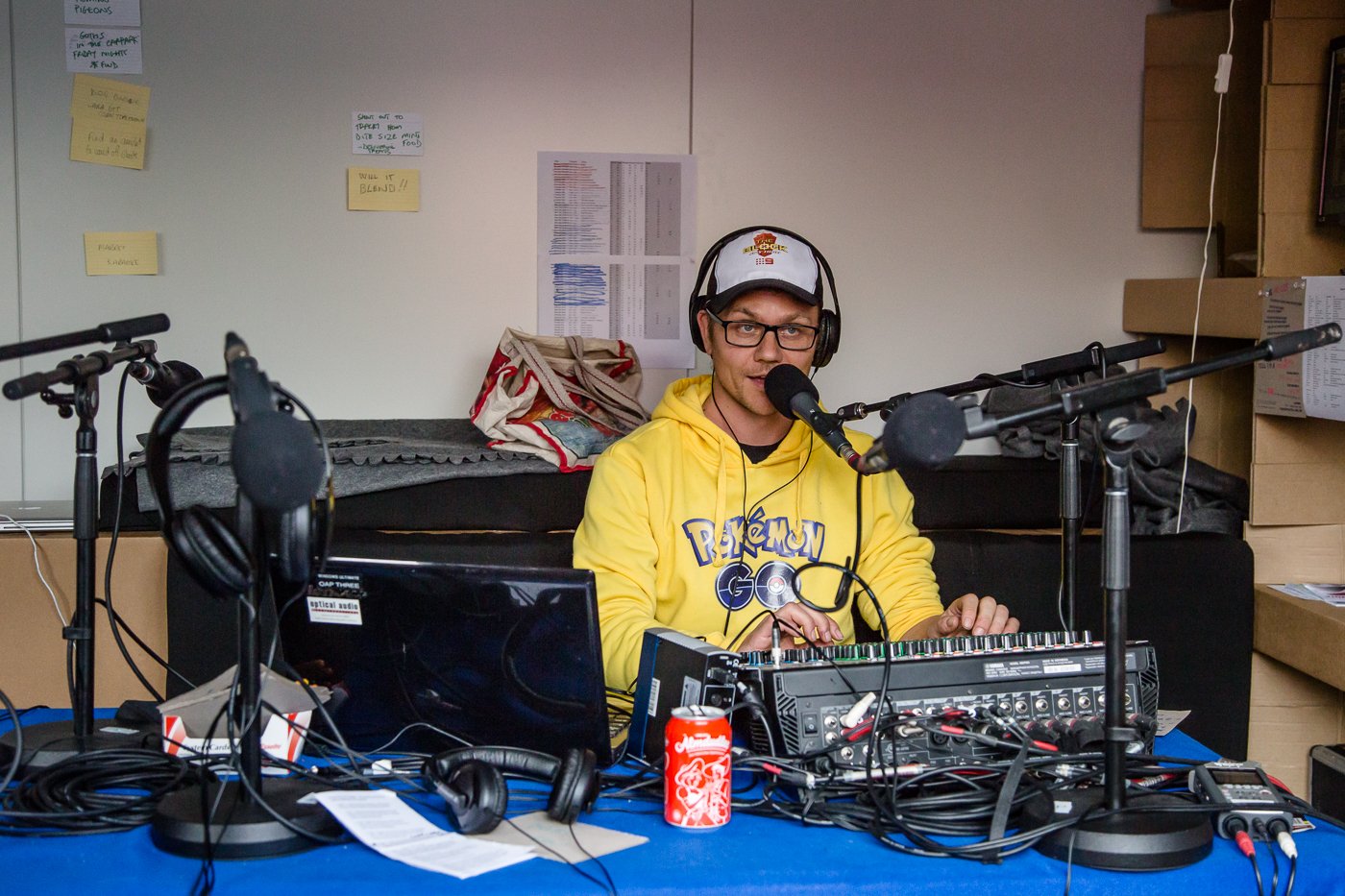
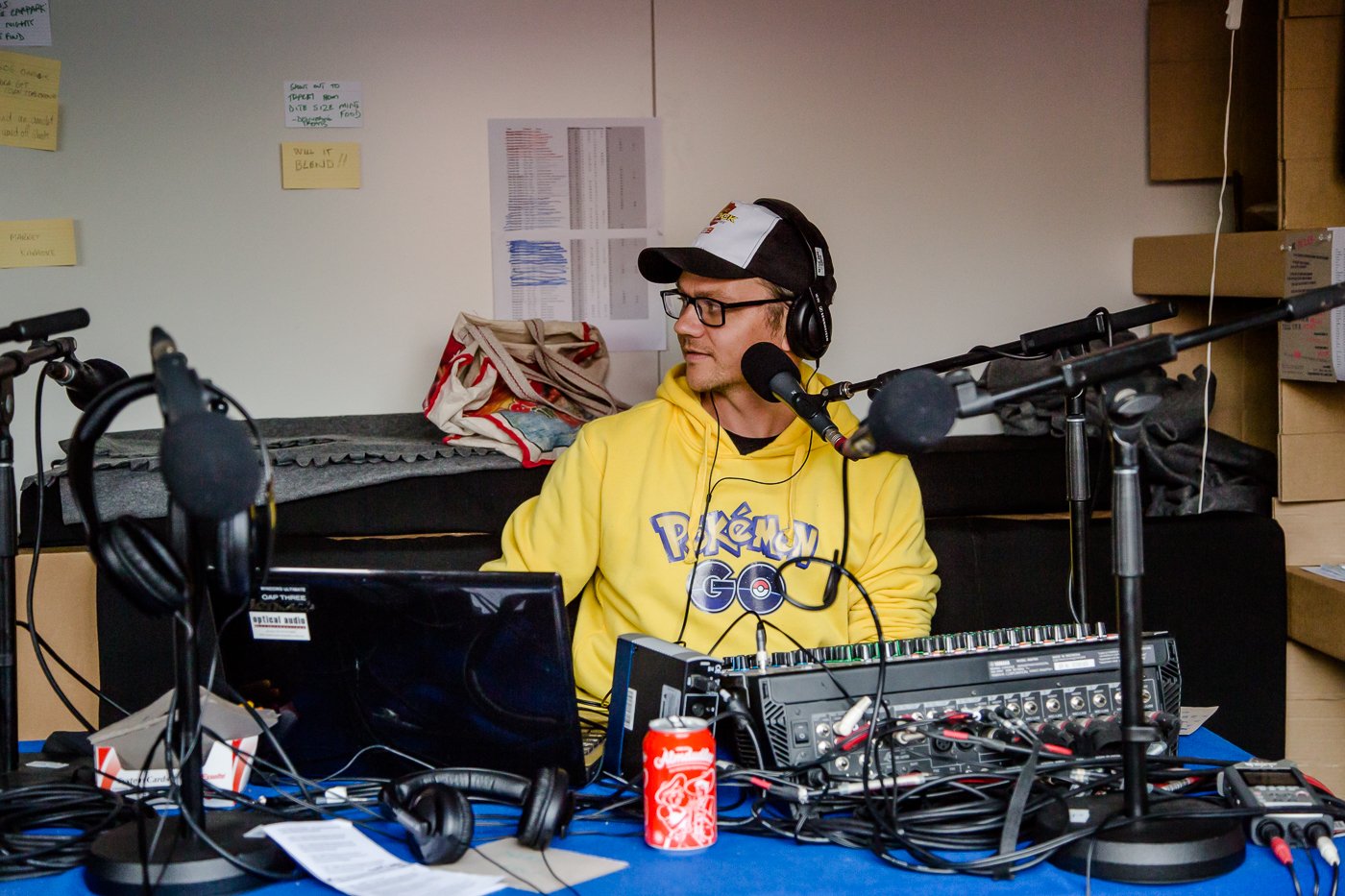
9000 Minutes was a six-and-a-half-day continuous broadcast staged in the middle of Queen Victoria Market.
The project was commissioned through the Public Art Melbourne Biennial Lab, a program titled What Happens Now, which invited artists to respond to the market as a working civic site undergoing significant pressure. At the time, the market was at the centre of a heated redevelopment debate. It was also, less visibly but more permanently, built over Melbourne’s first colonial cemetery.
Approximately 9,000 people are buried beneath the site.
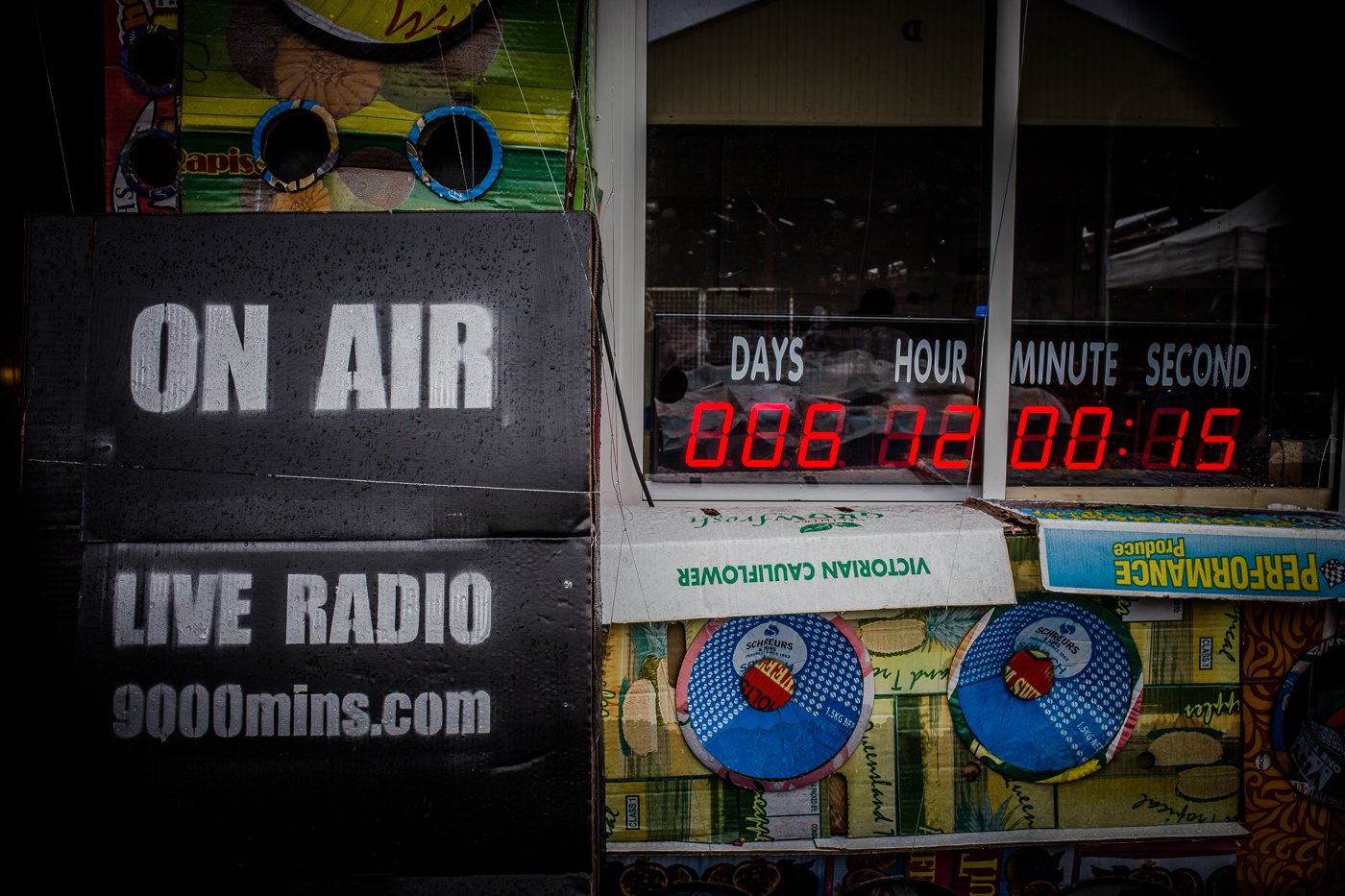
The title refers to this number and to the duration of the work, a full cycle of market operations running continuously for six and a half days.
Field Theory proposed a broadcast that would sit inside this overlap.
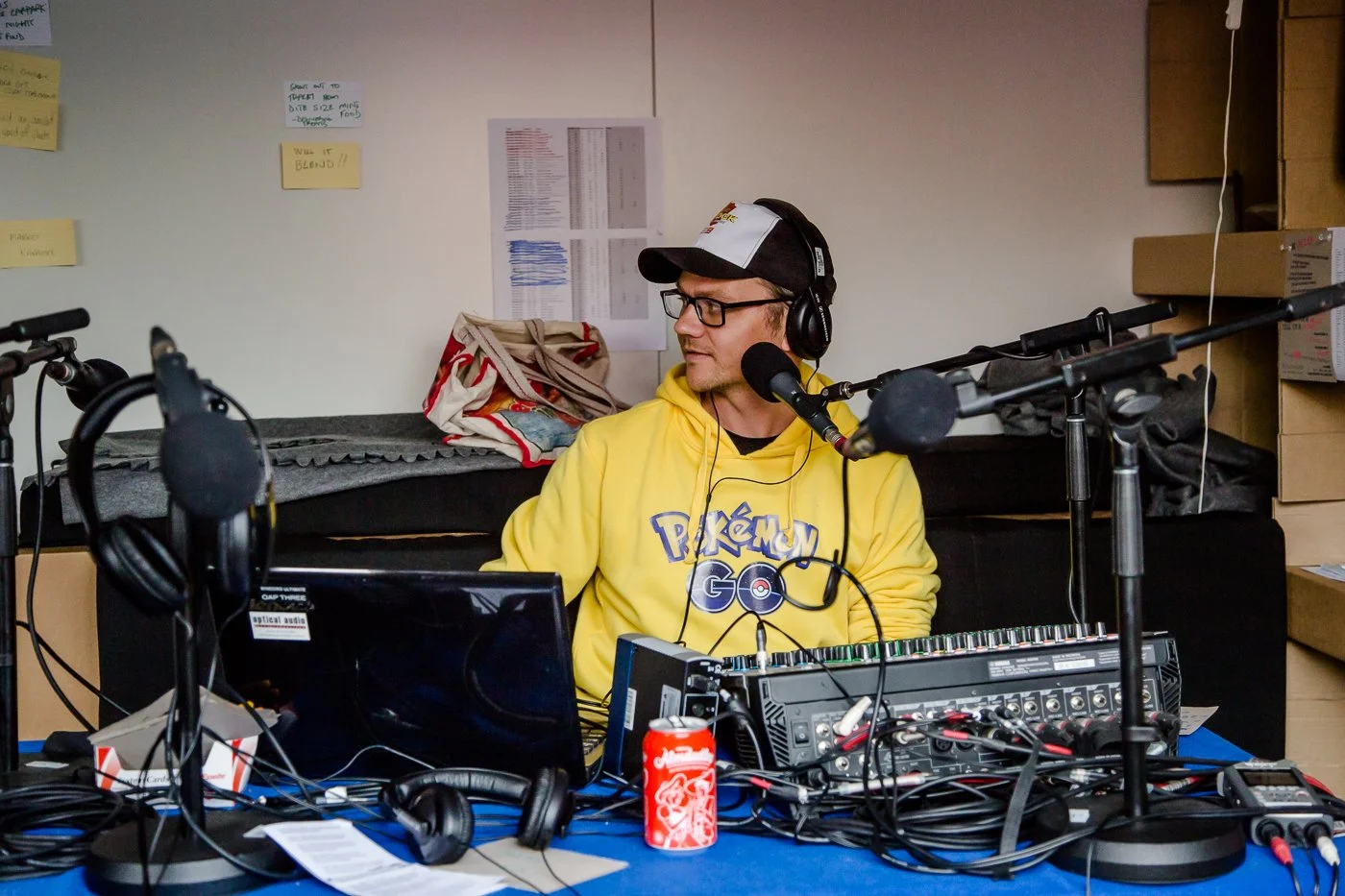
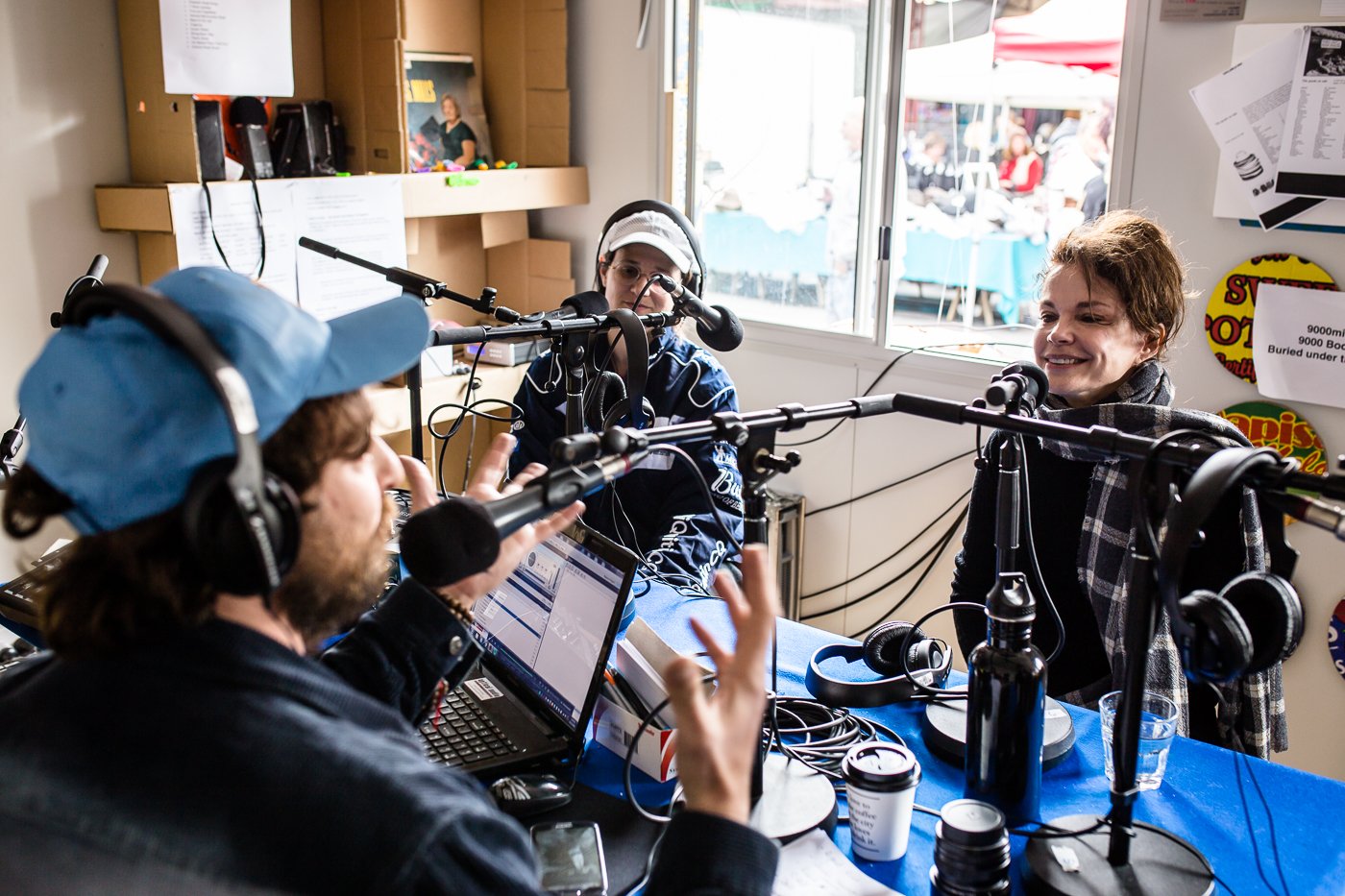
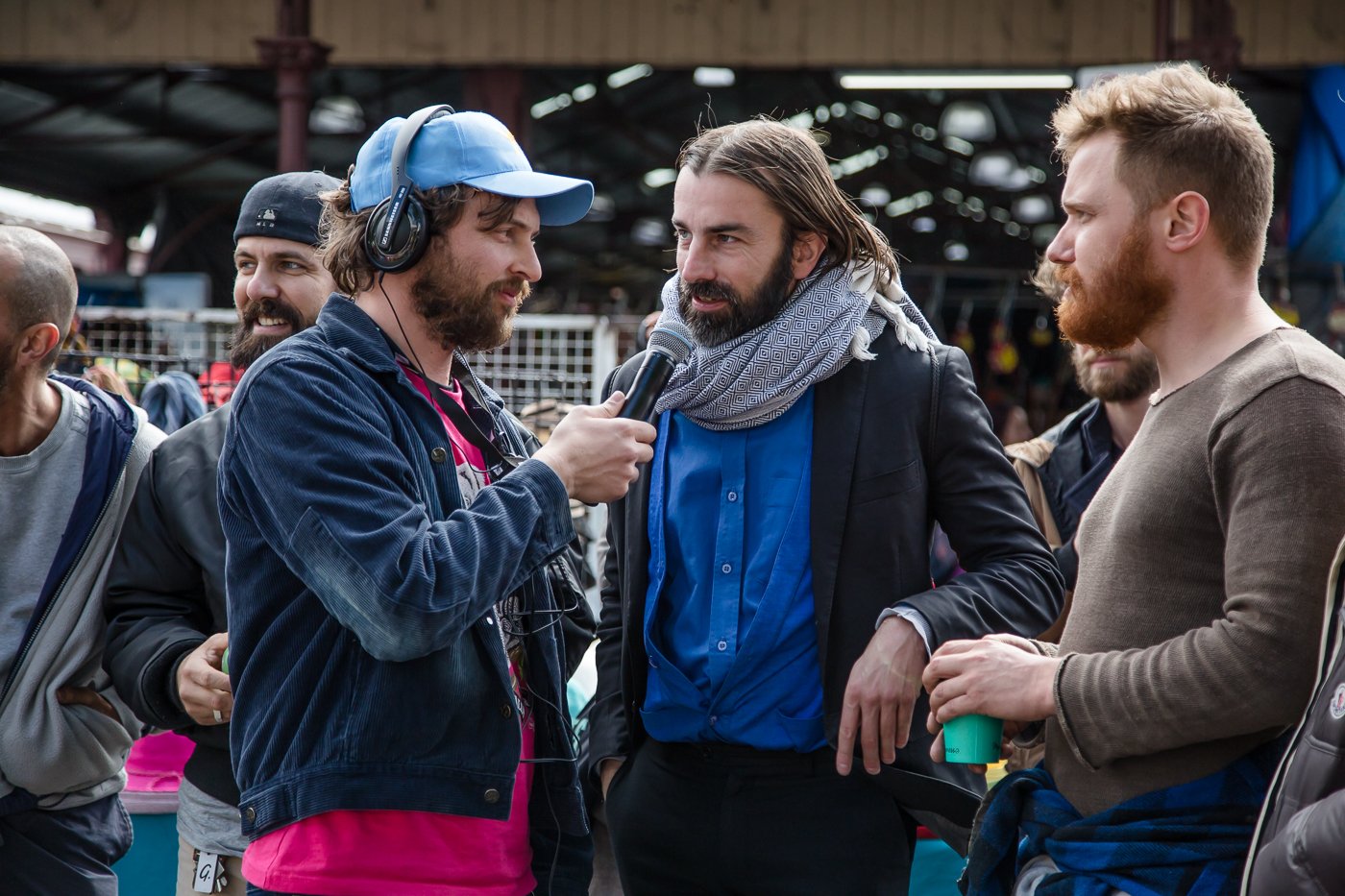
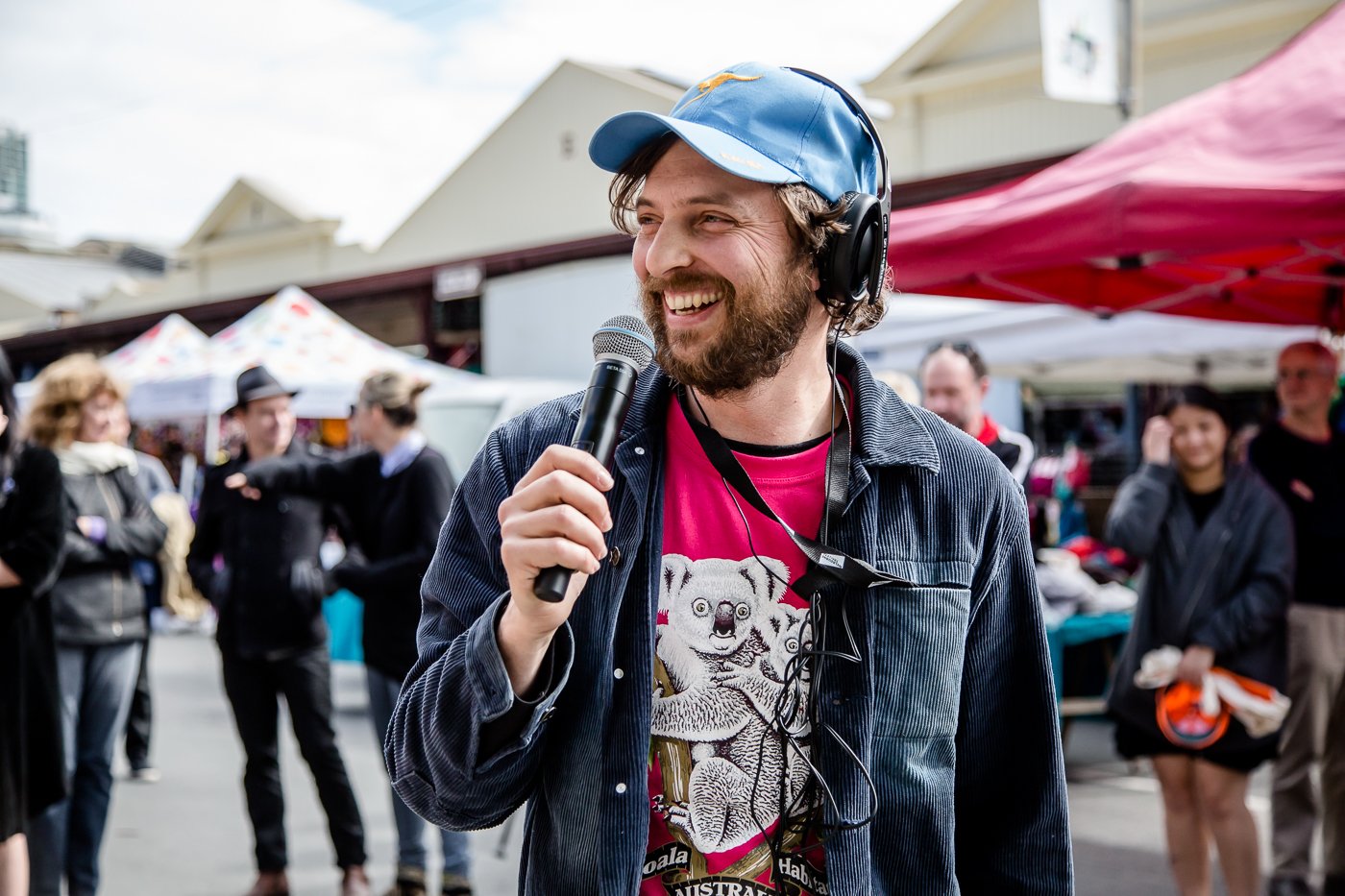
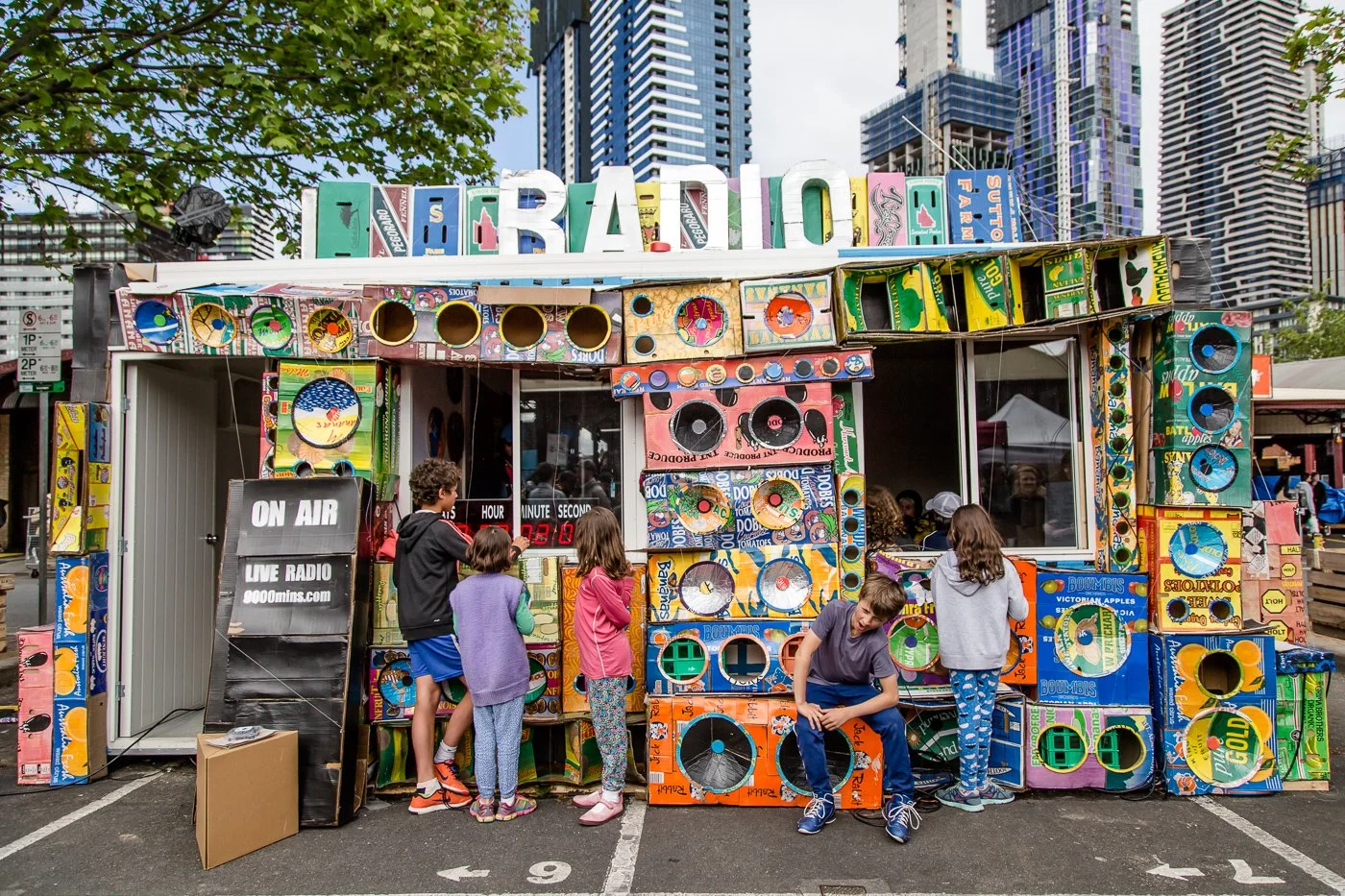
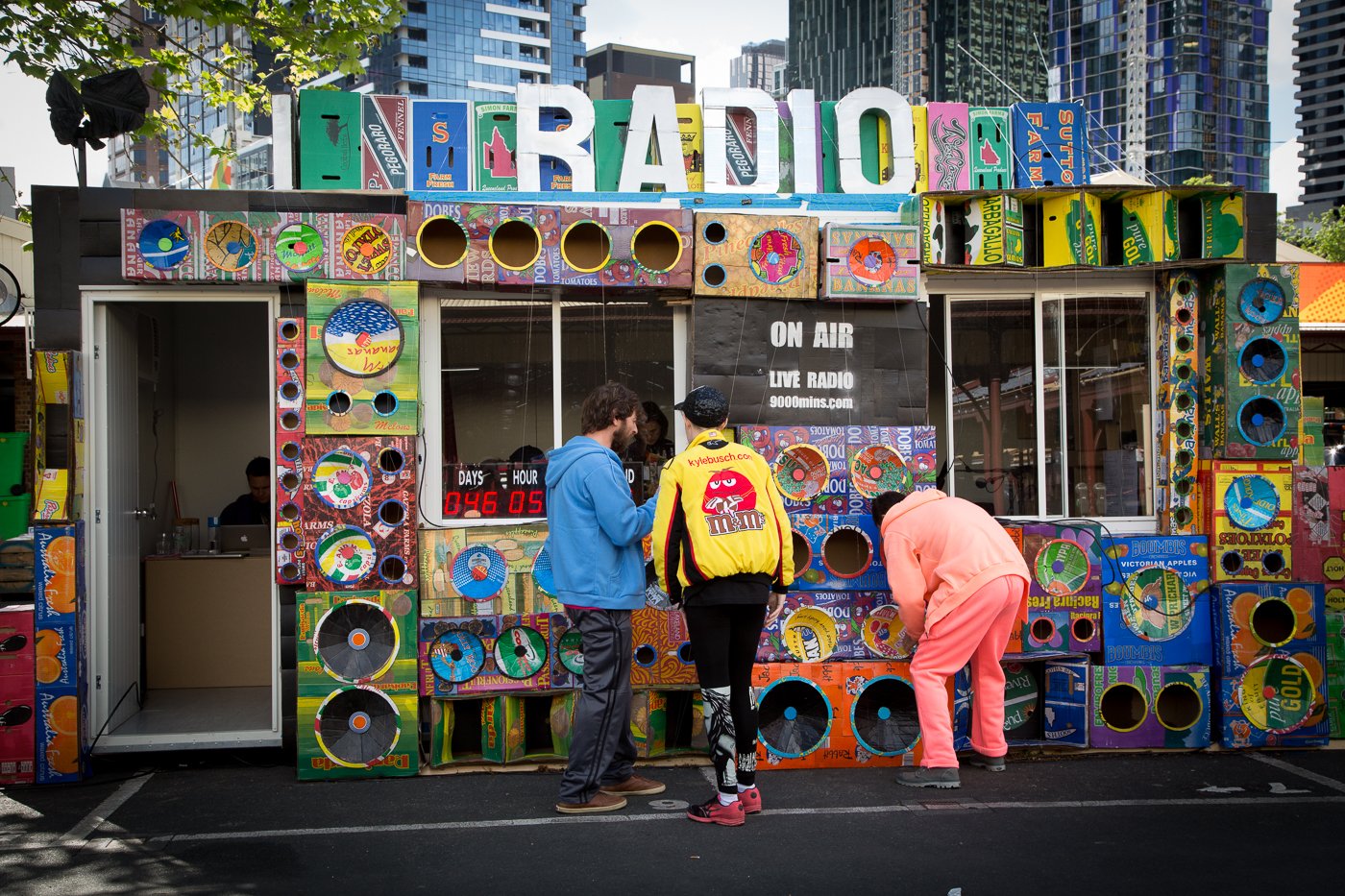
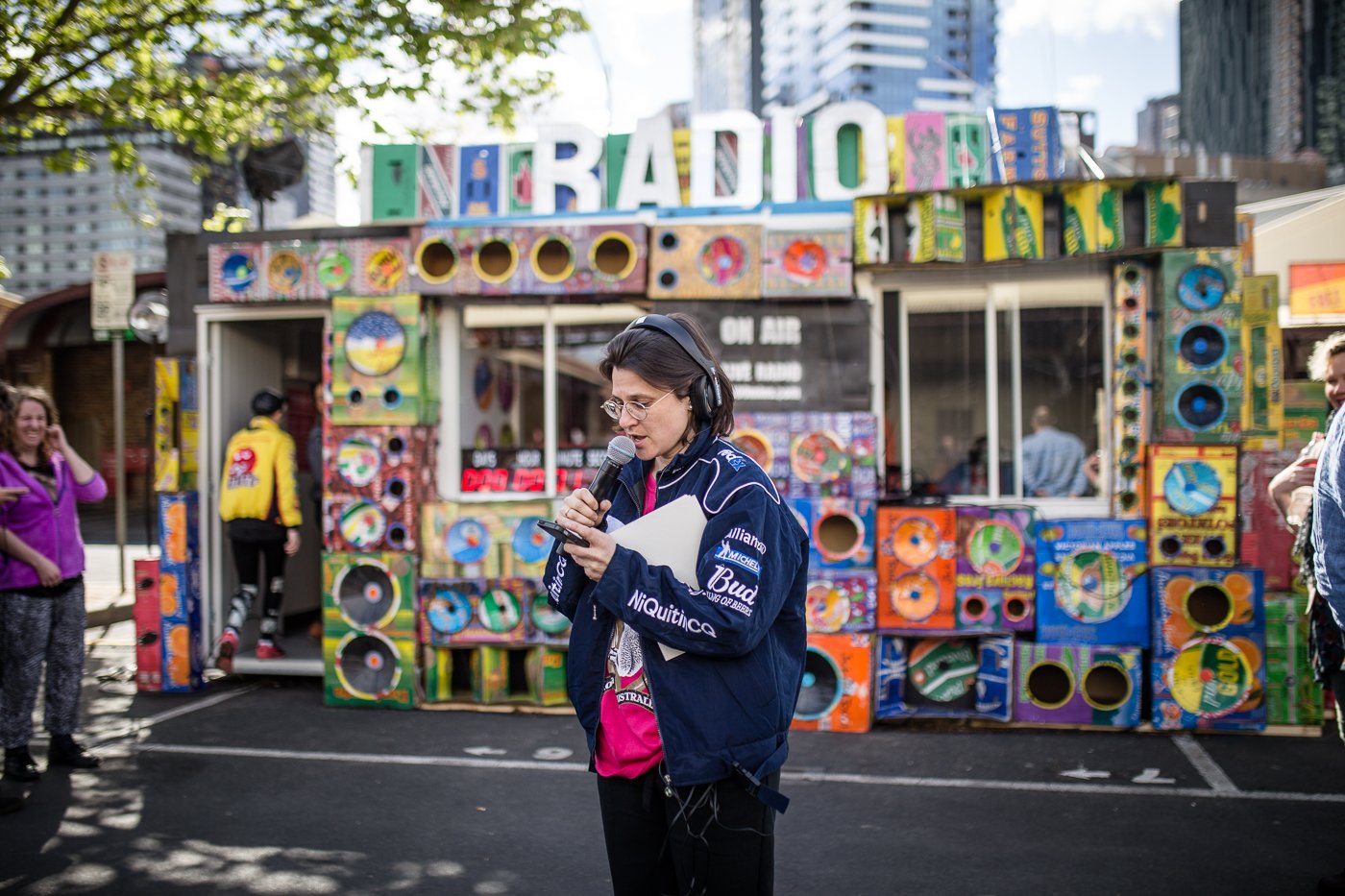
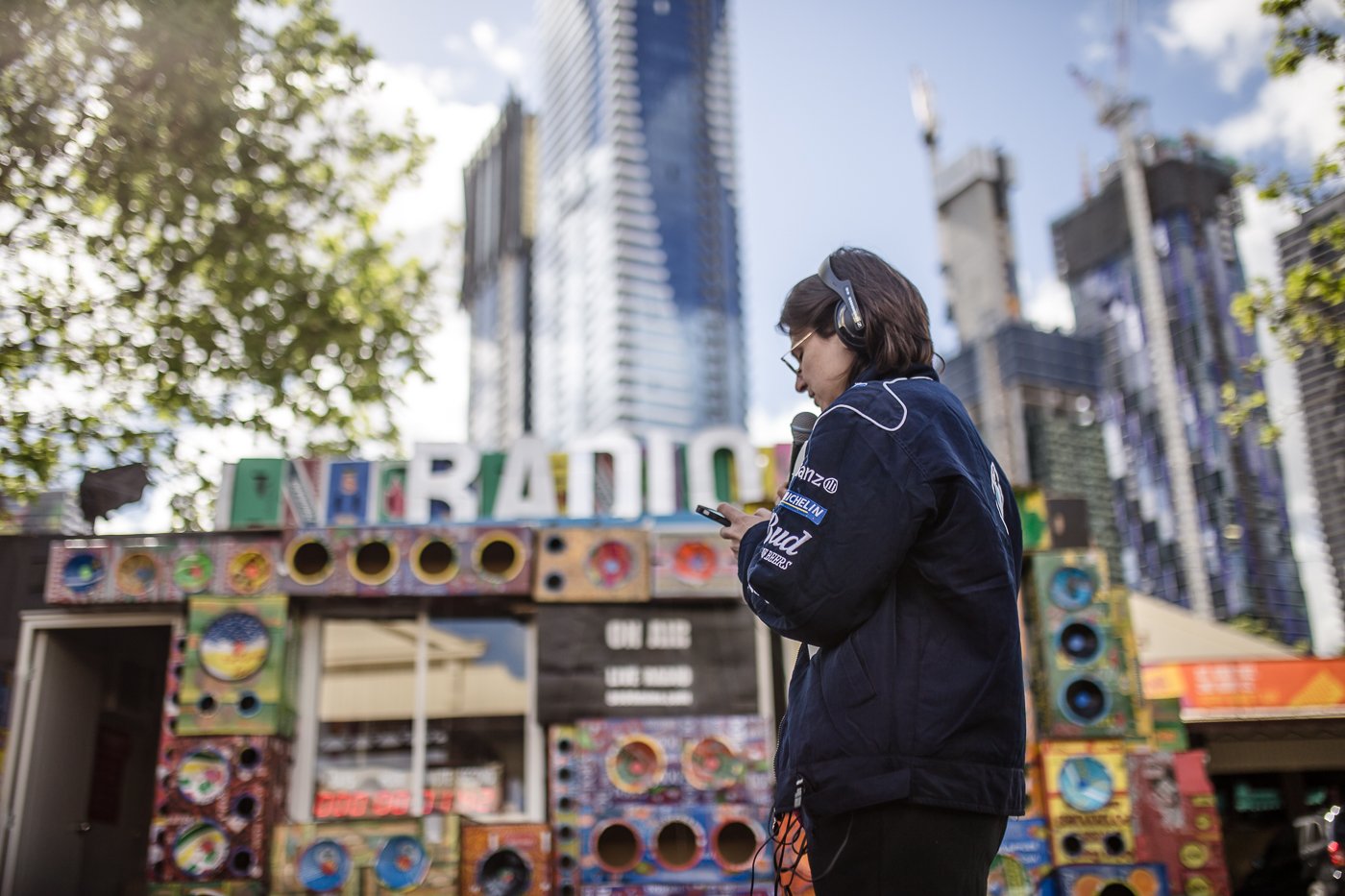
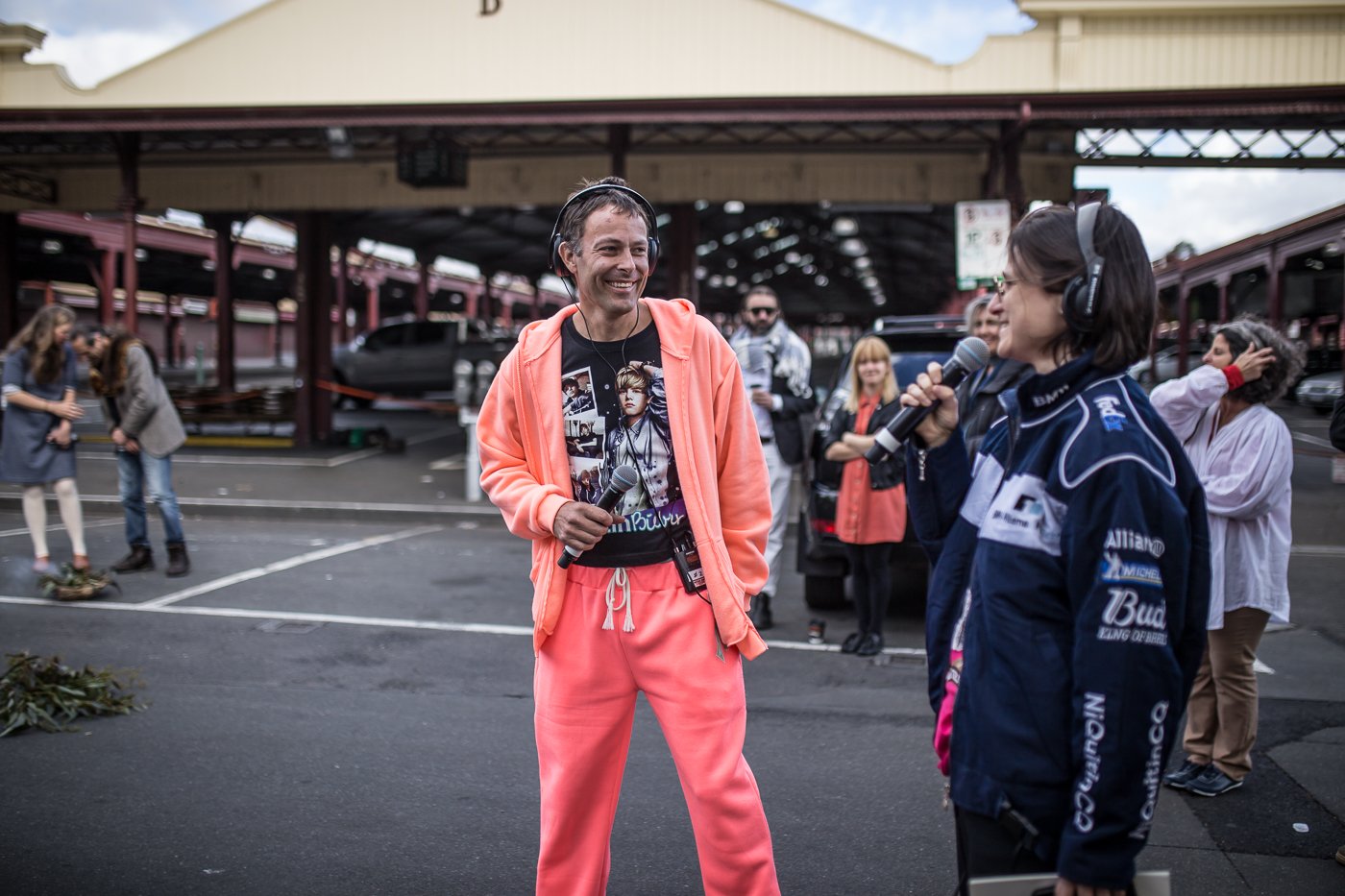
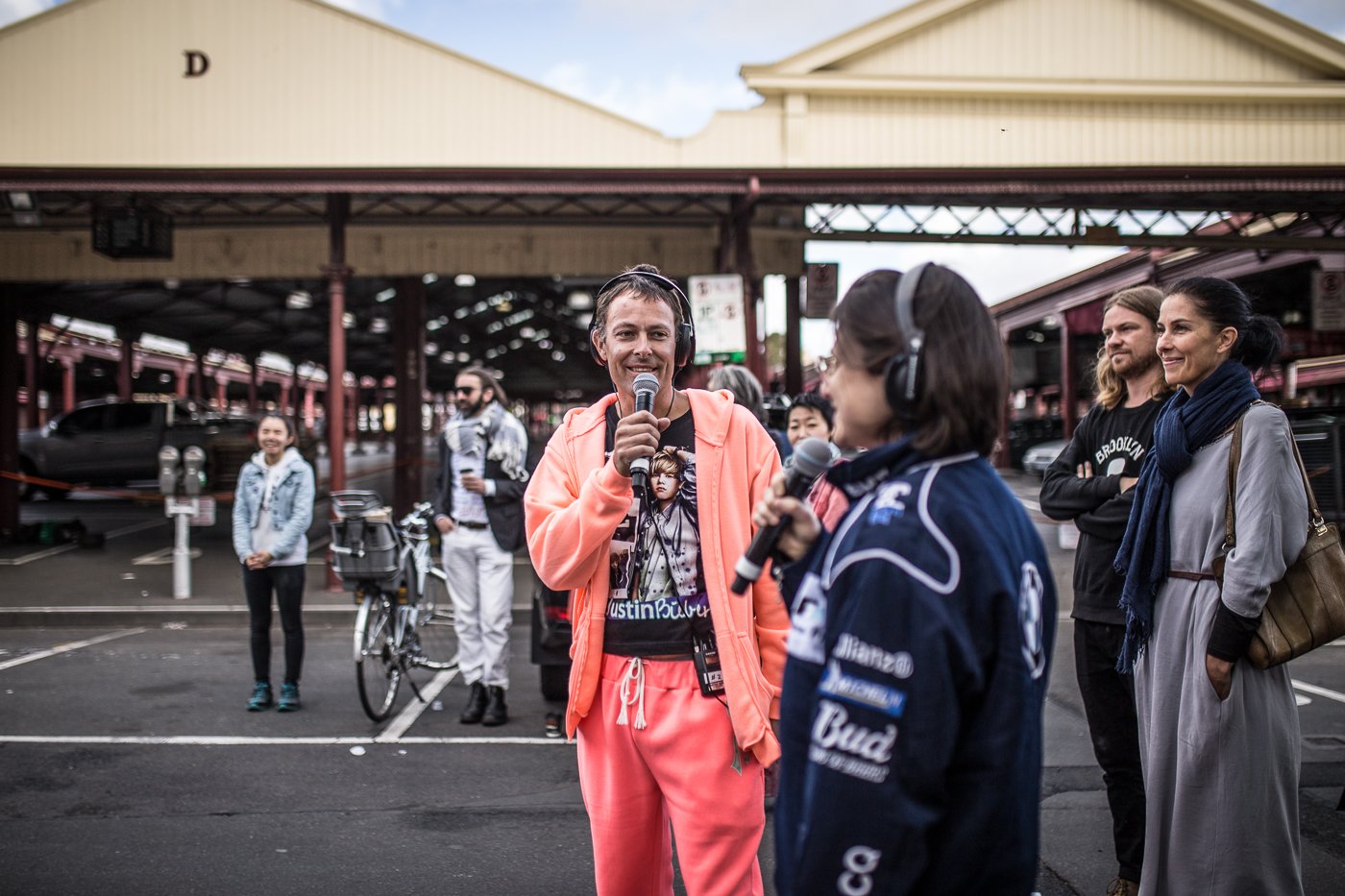
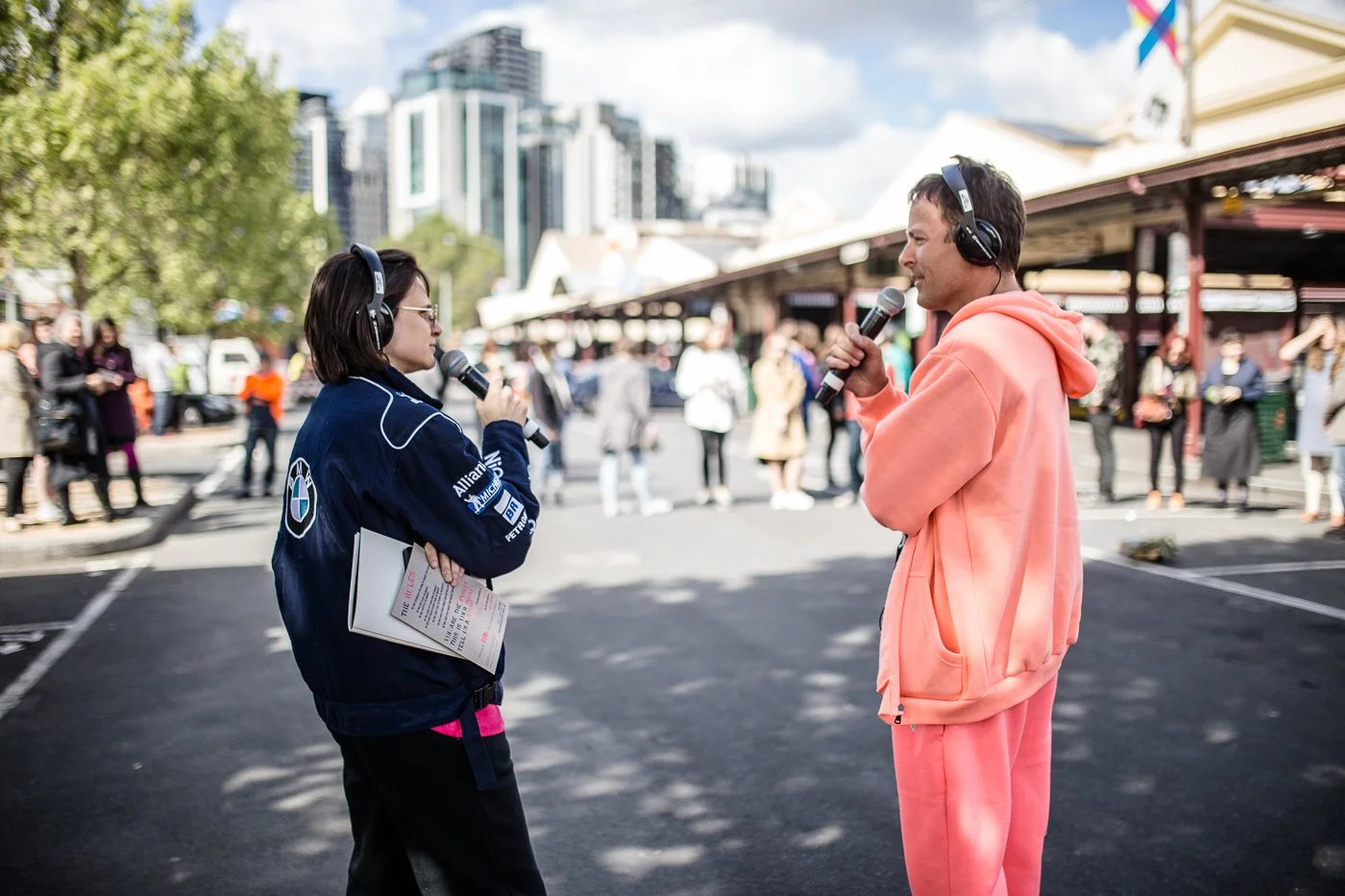
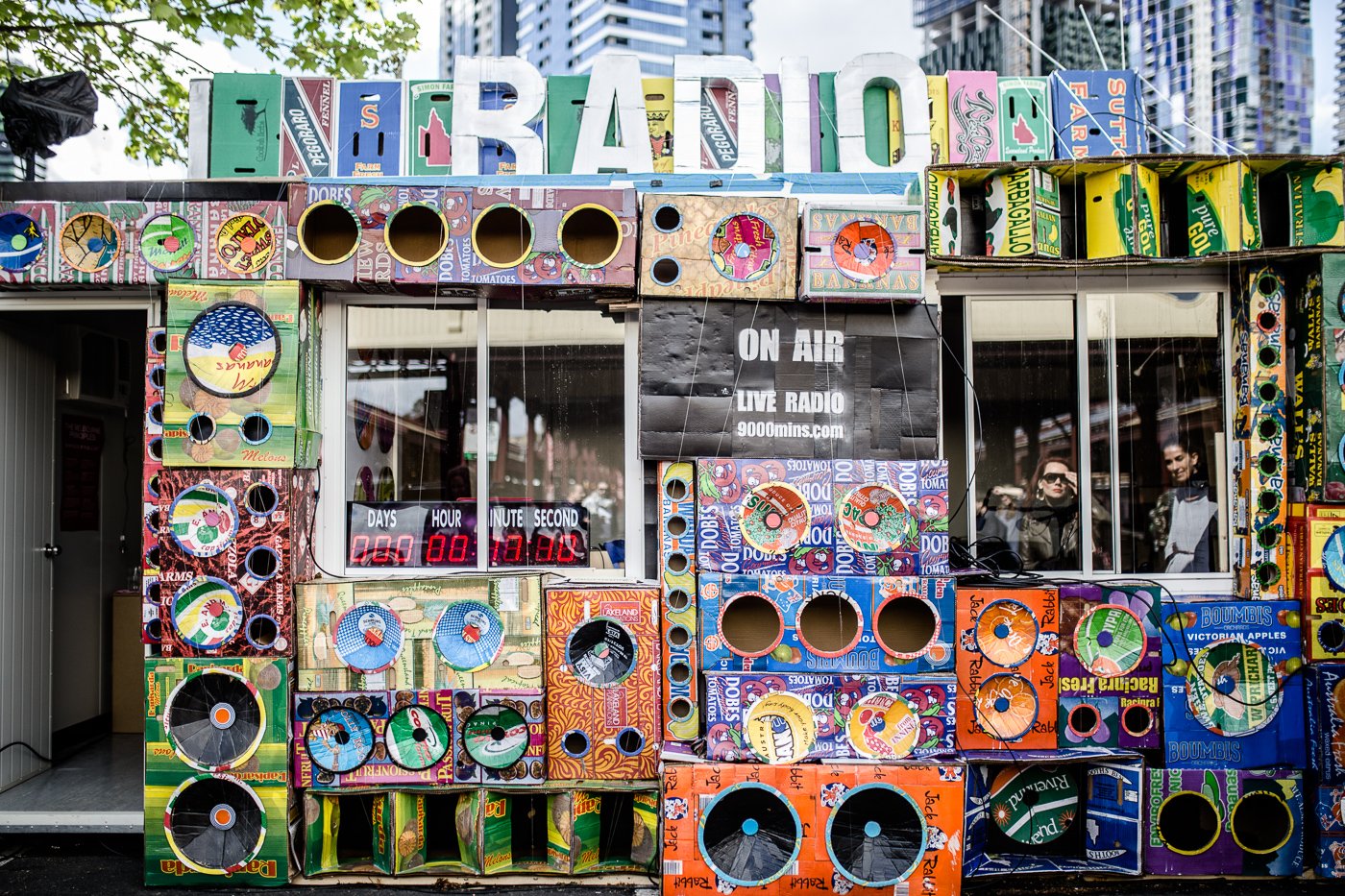
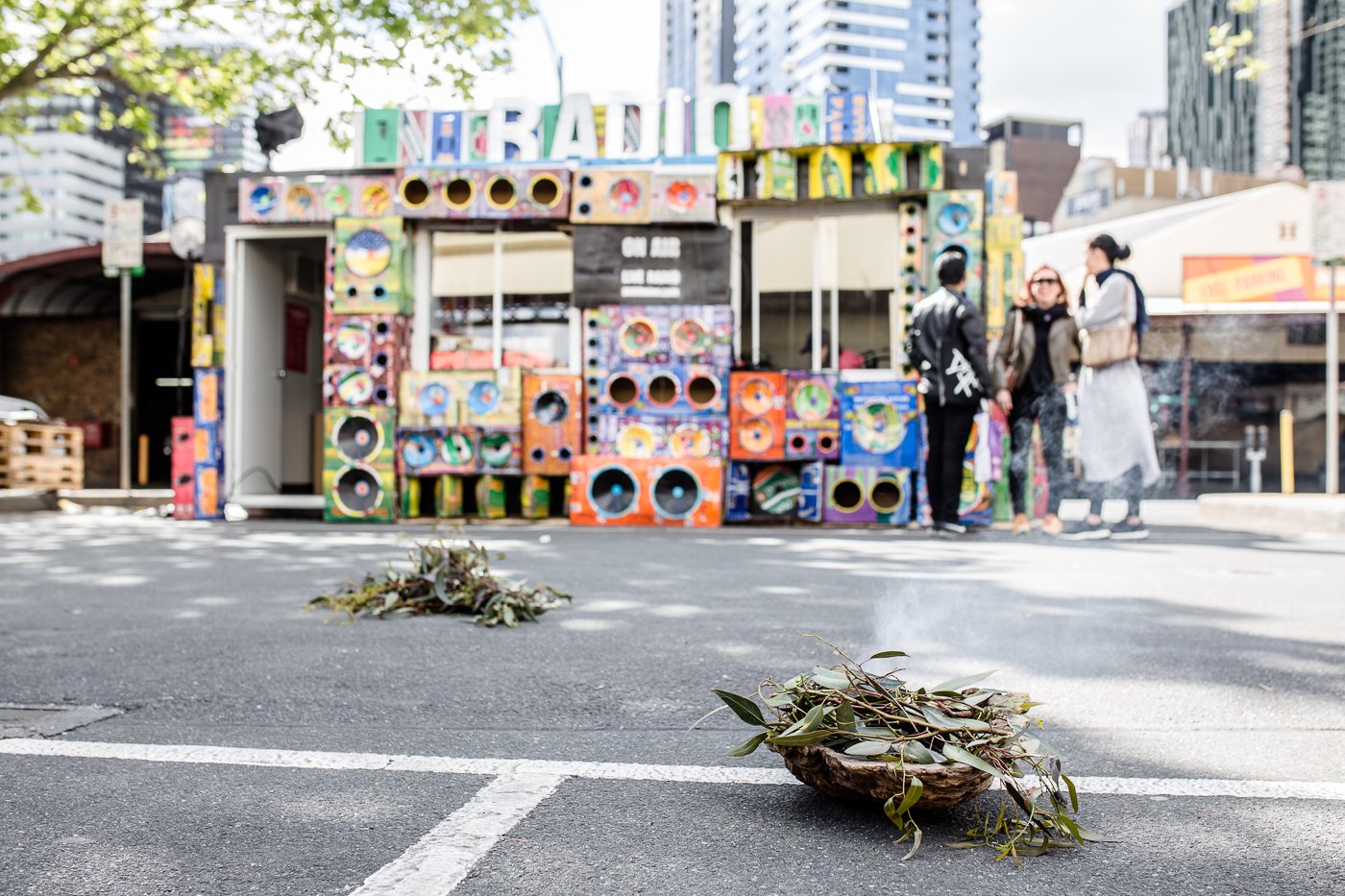
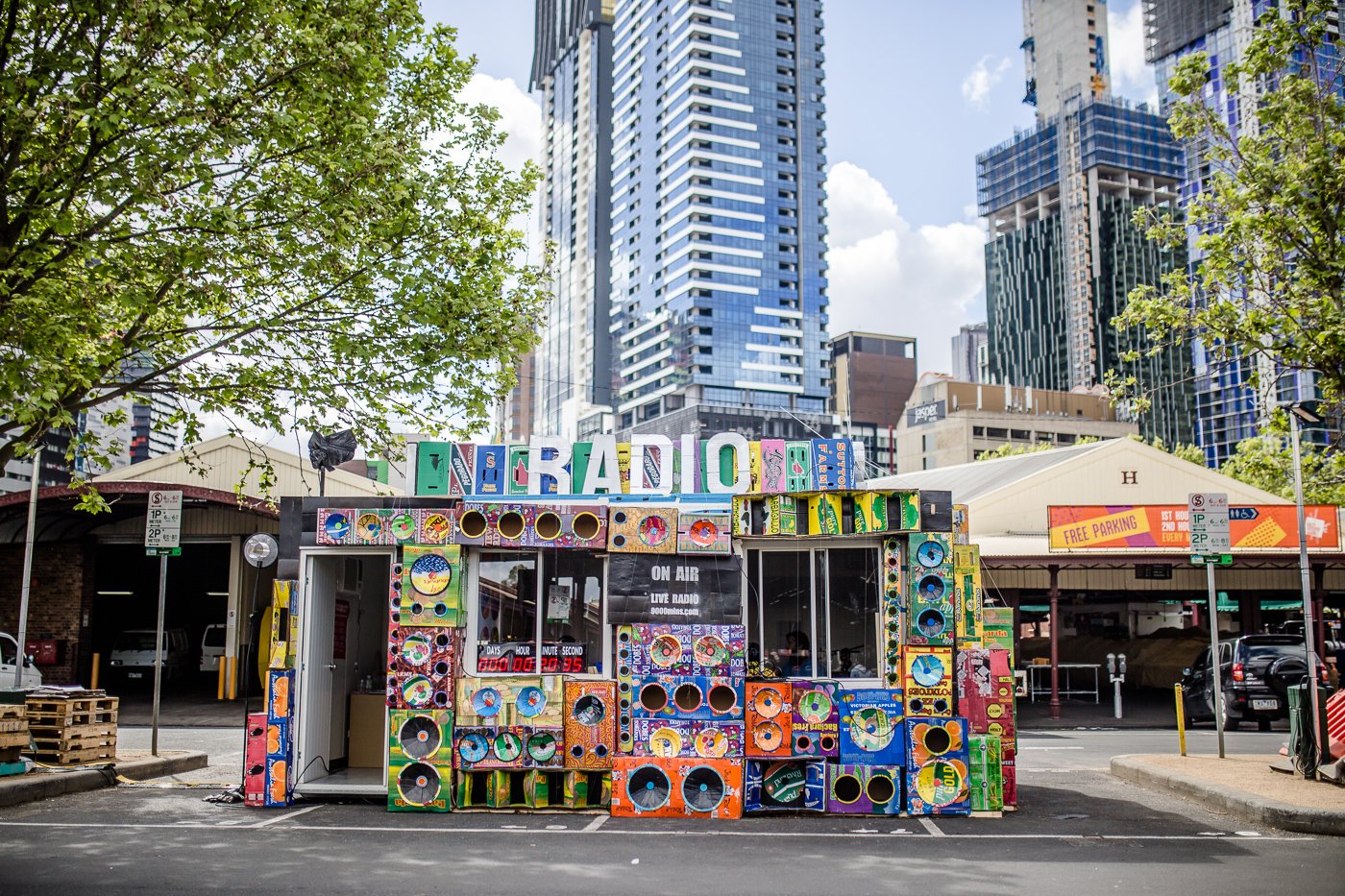
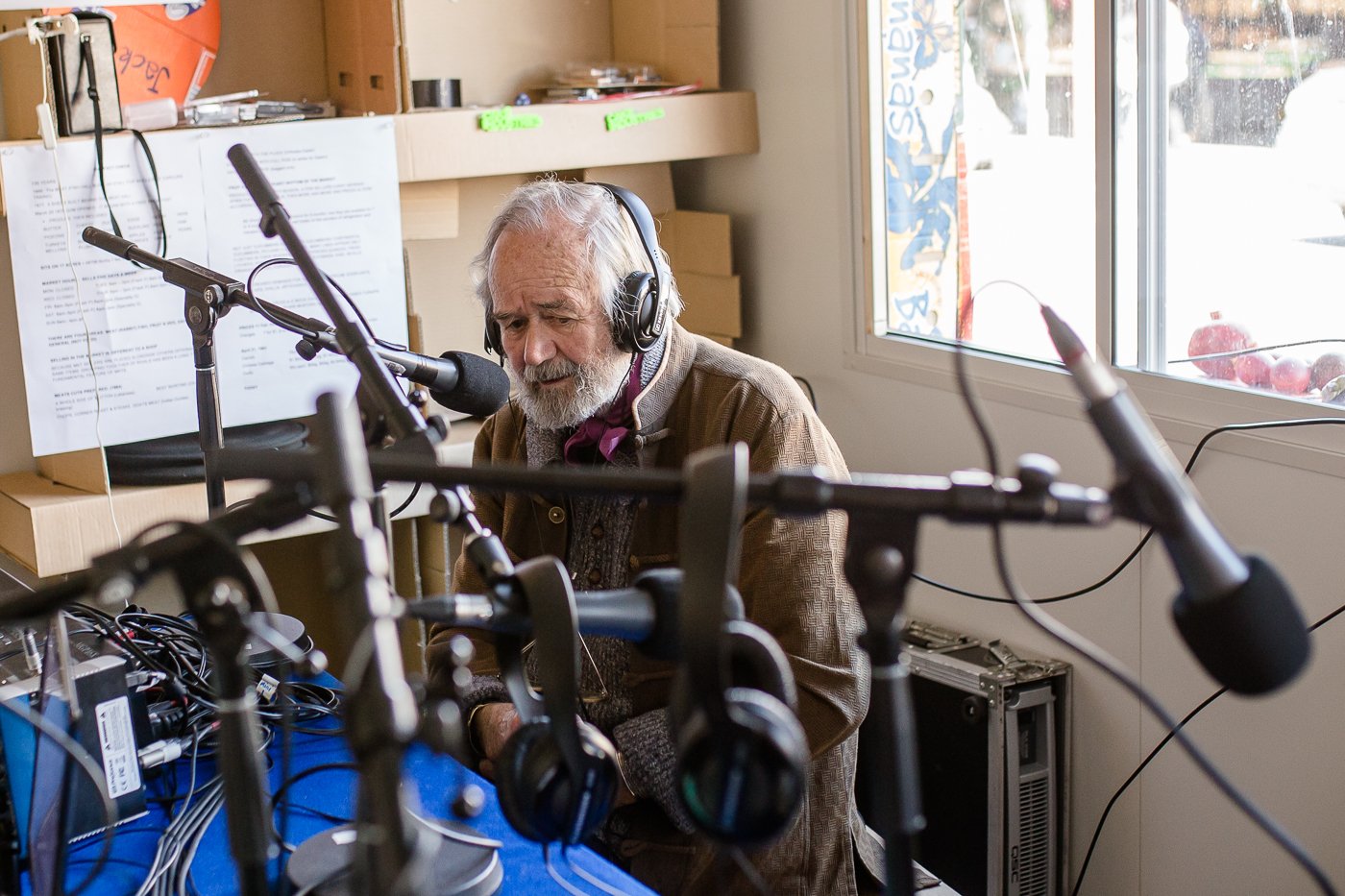
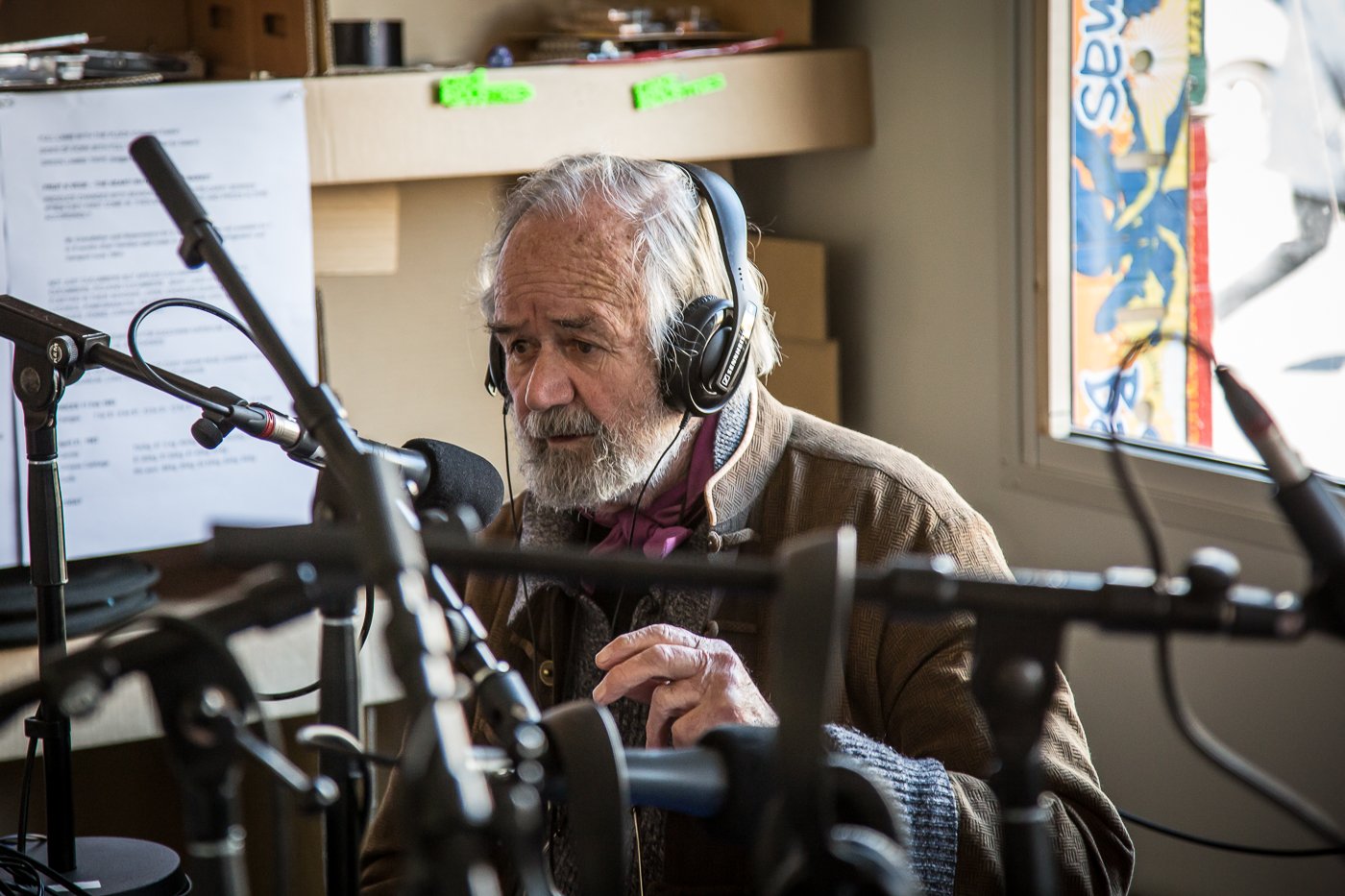
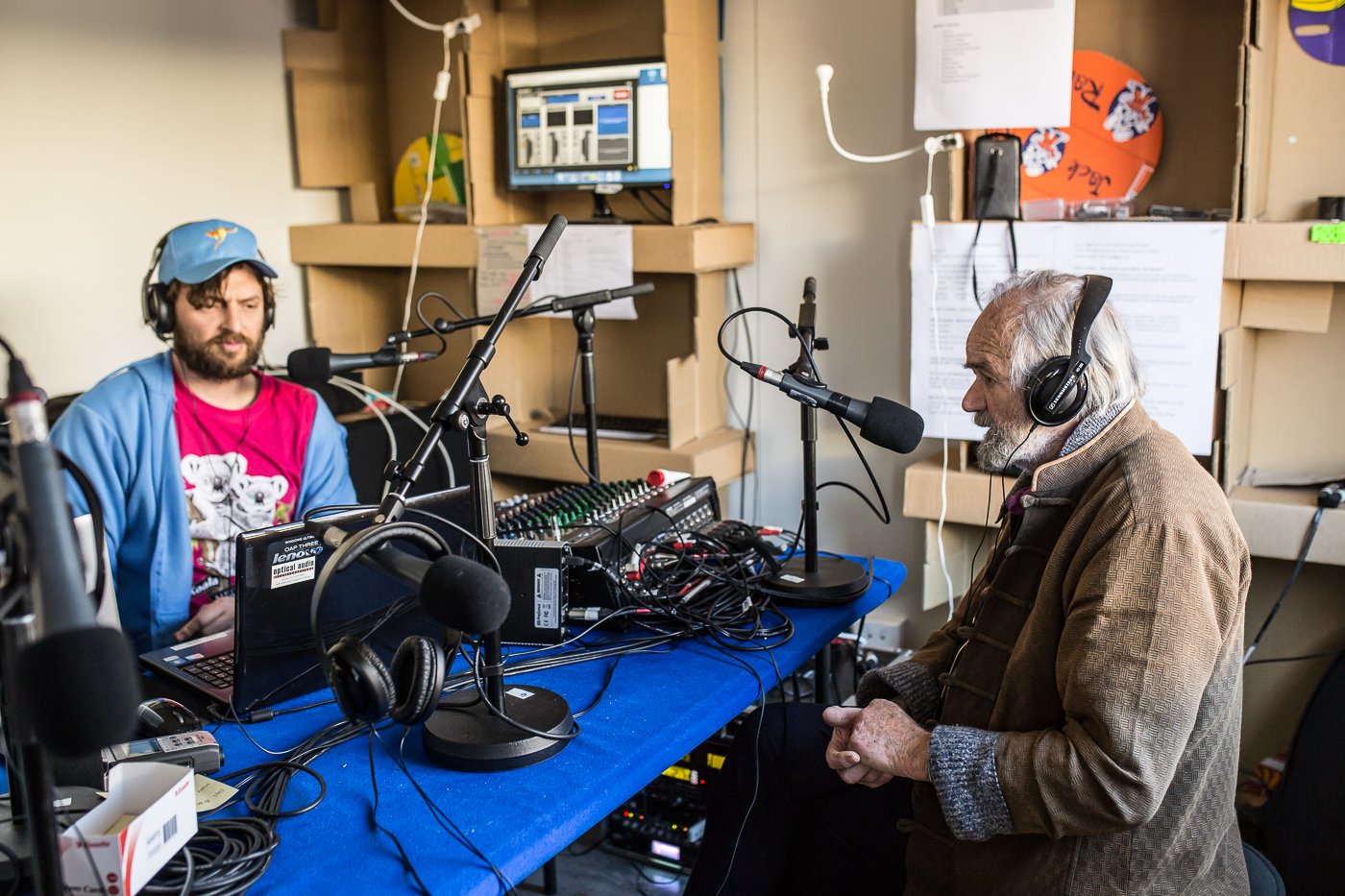
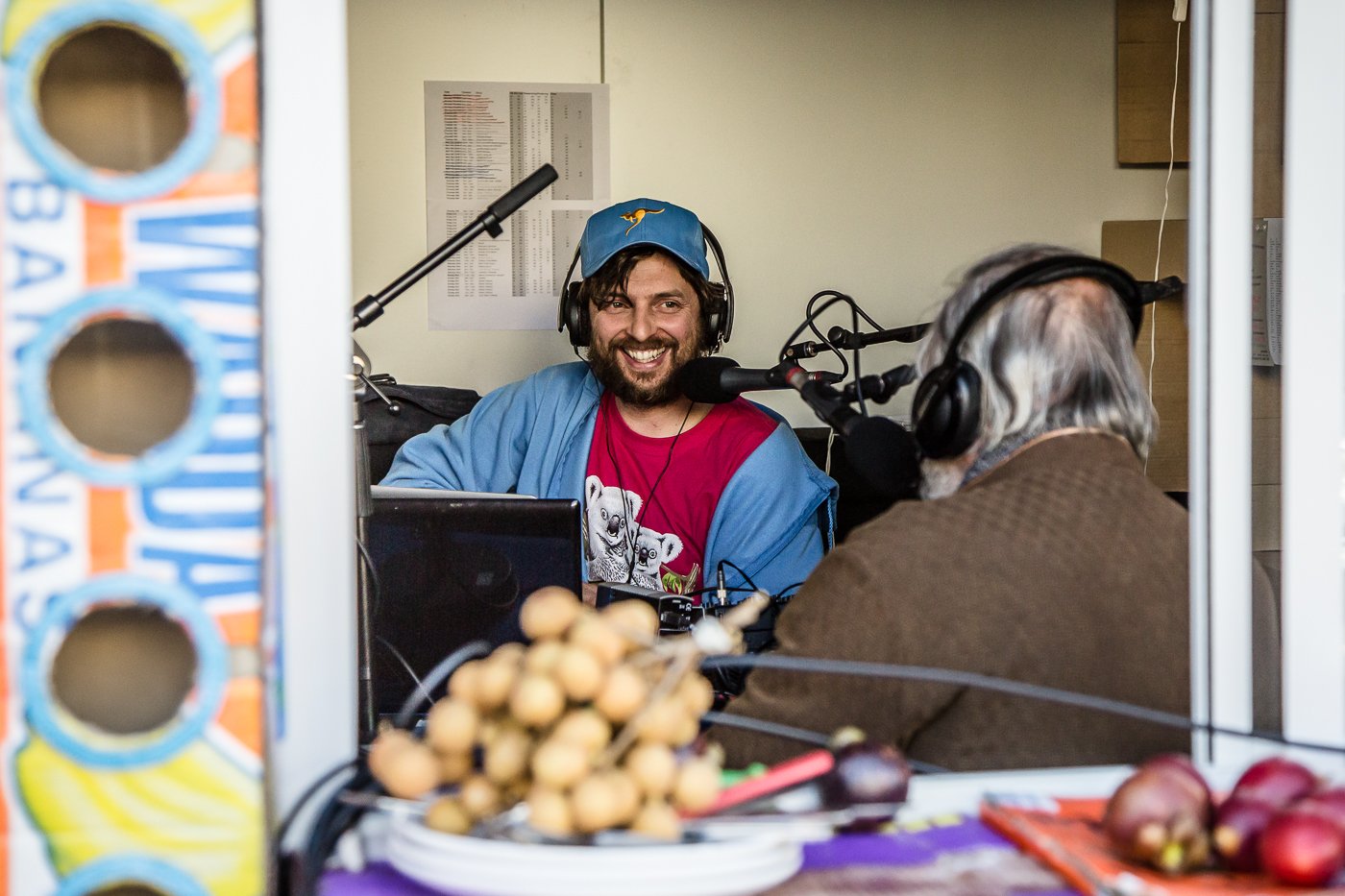
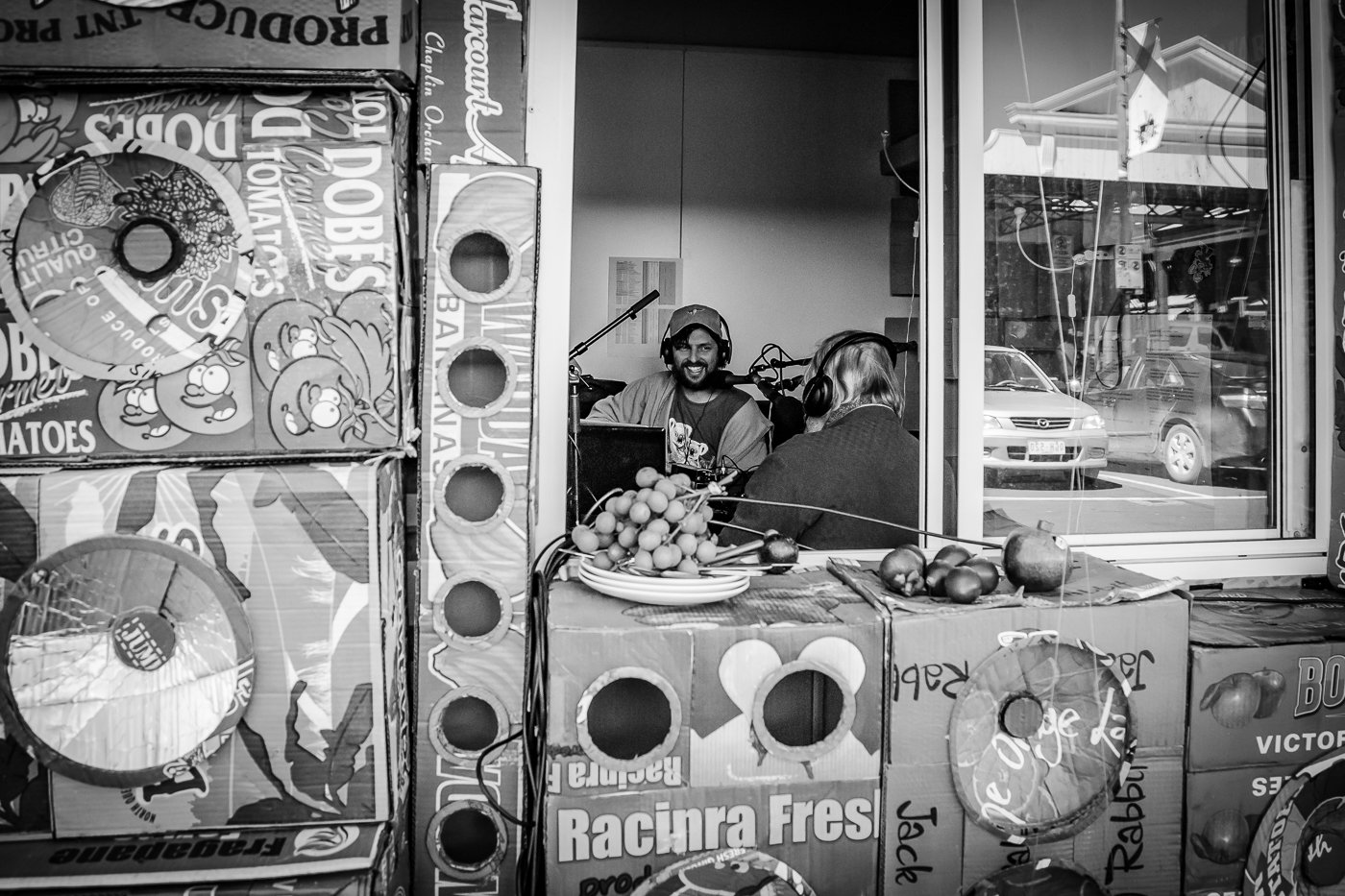
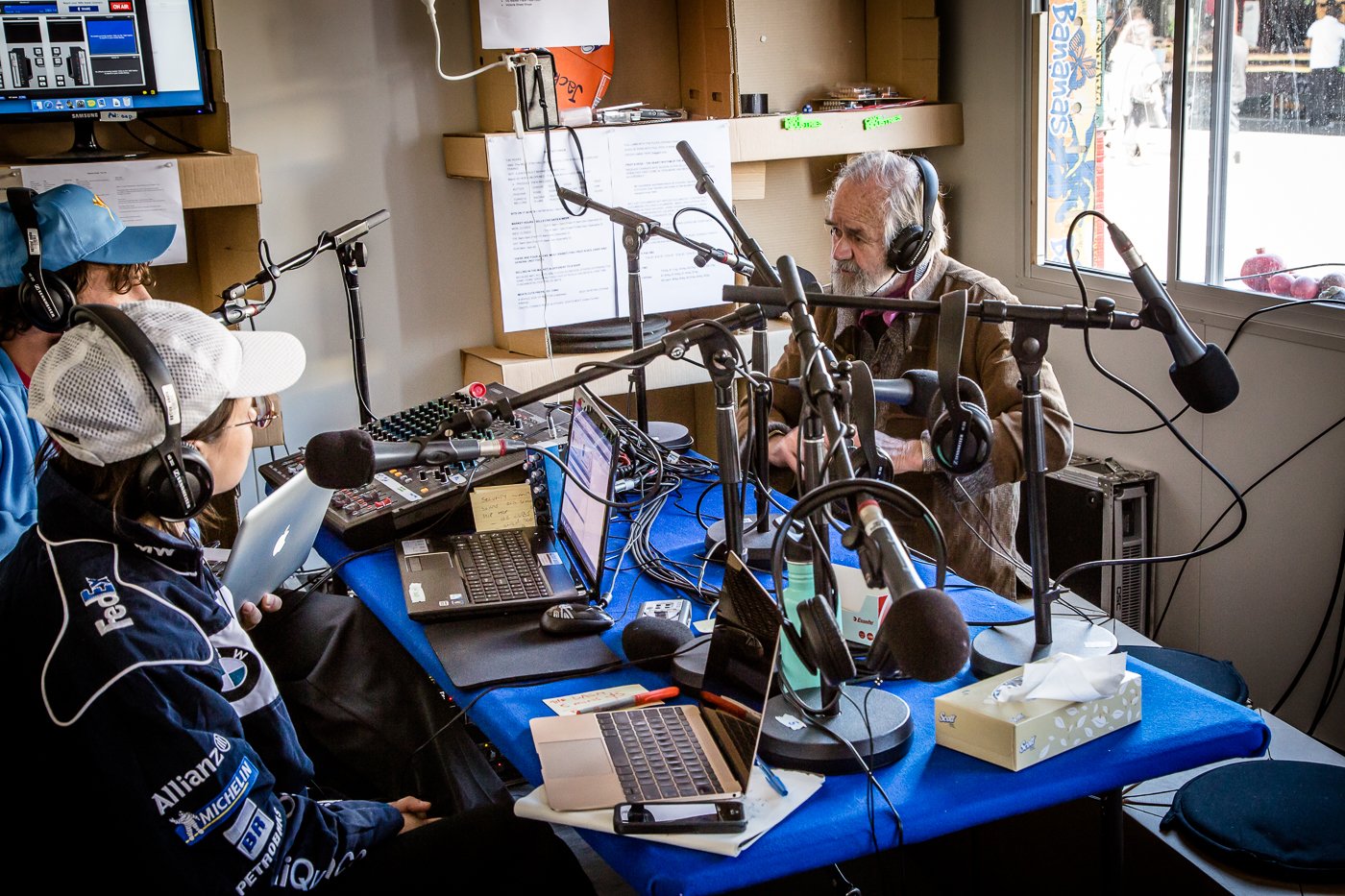
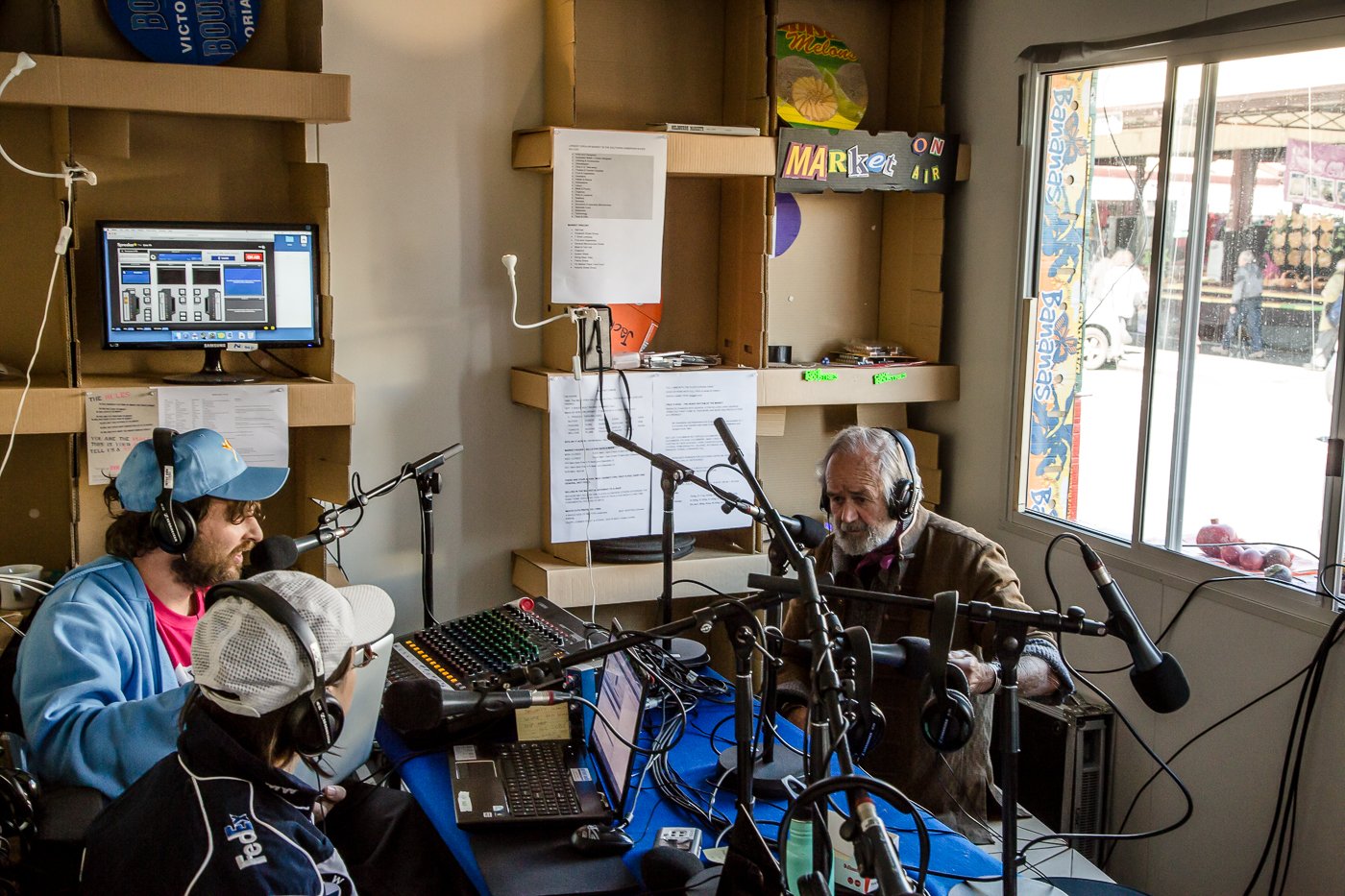
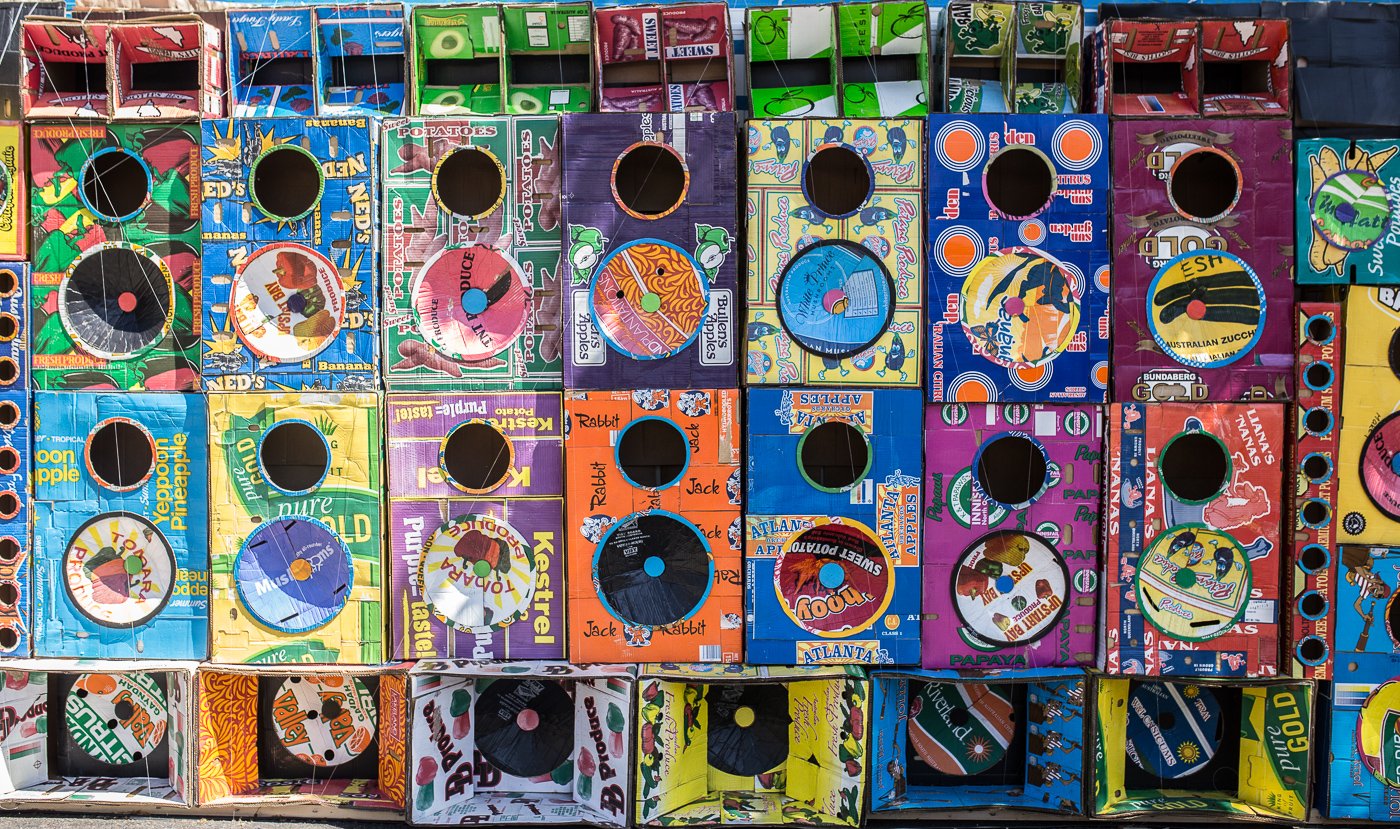
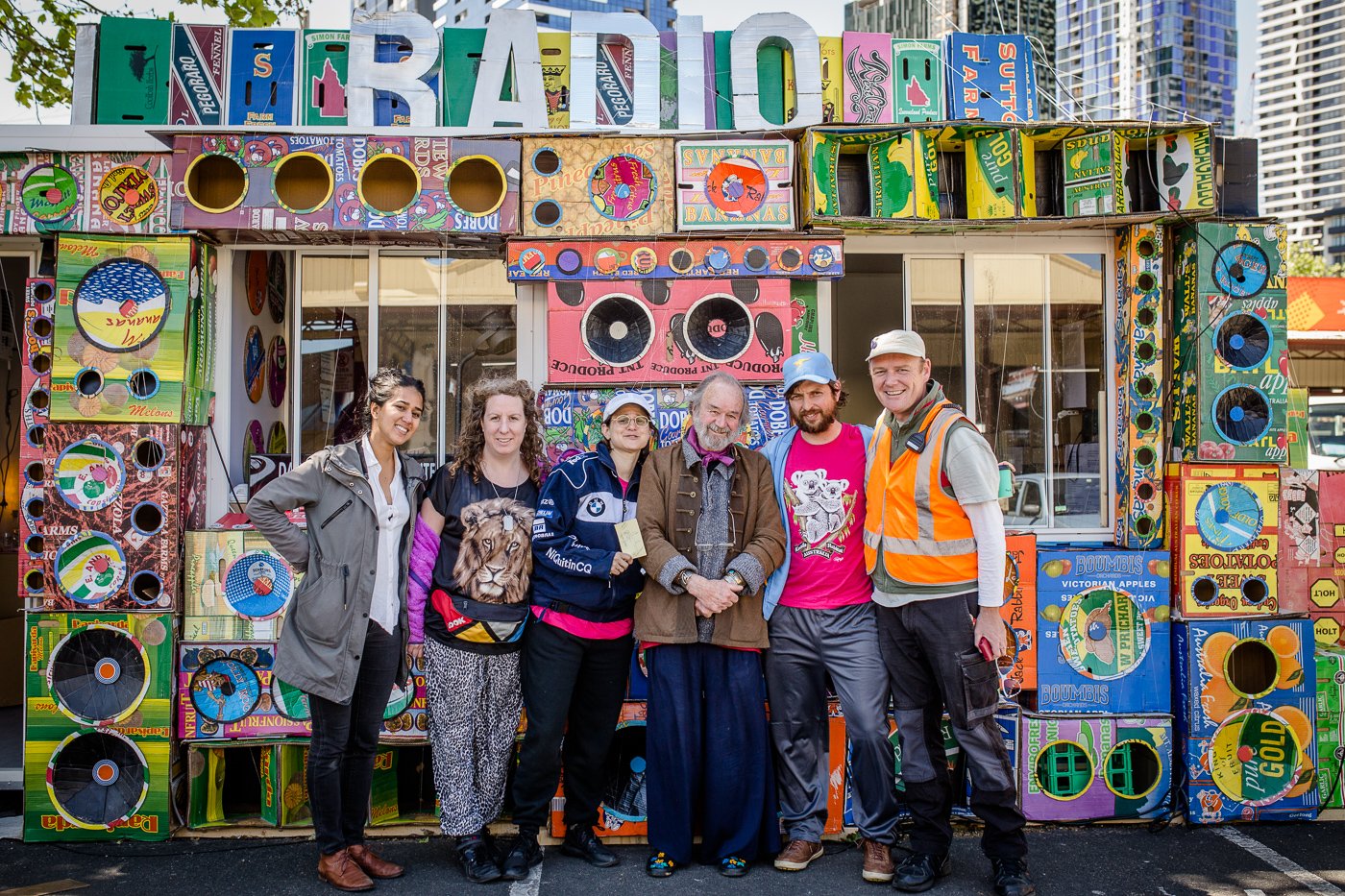
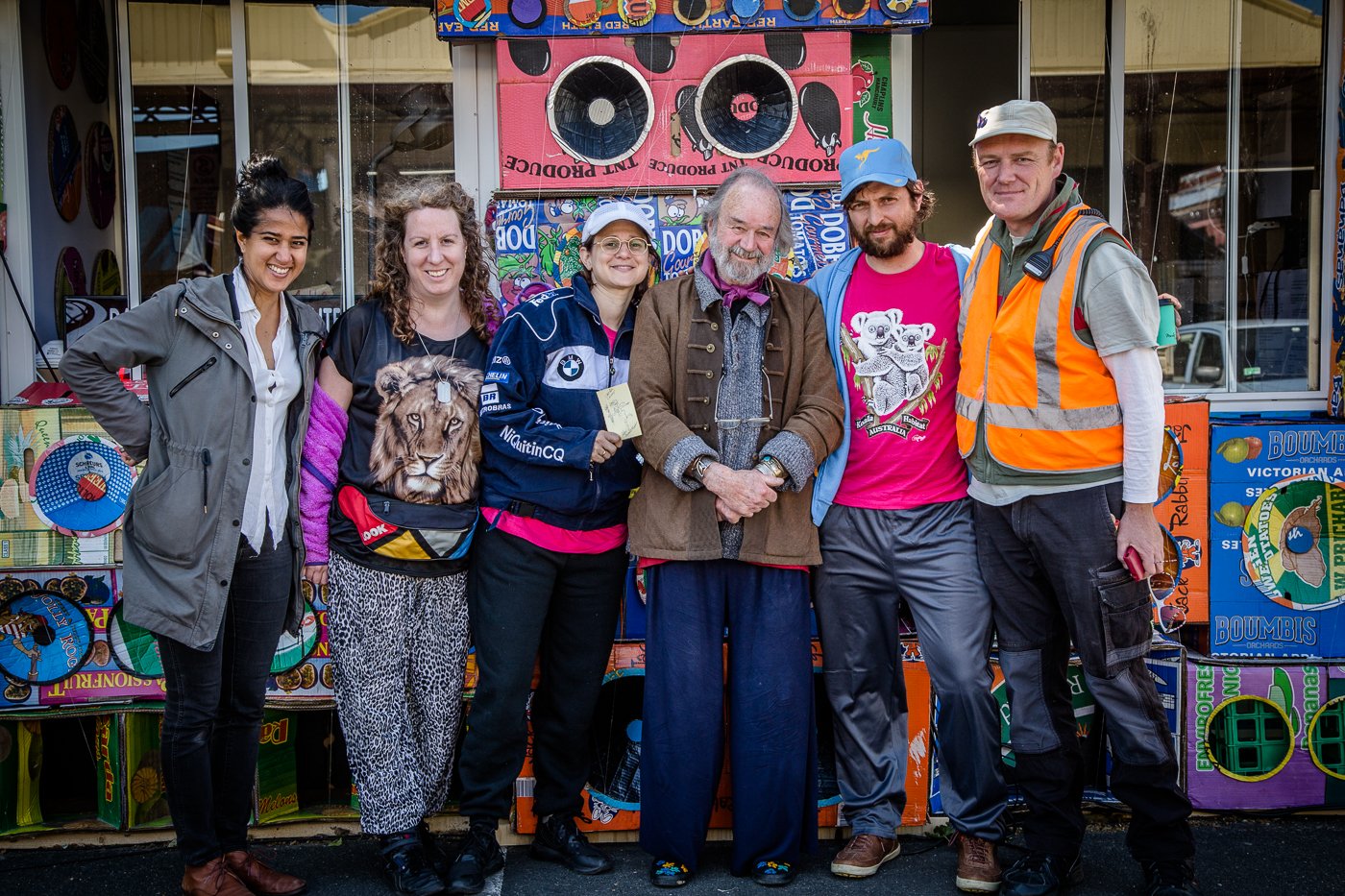
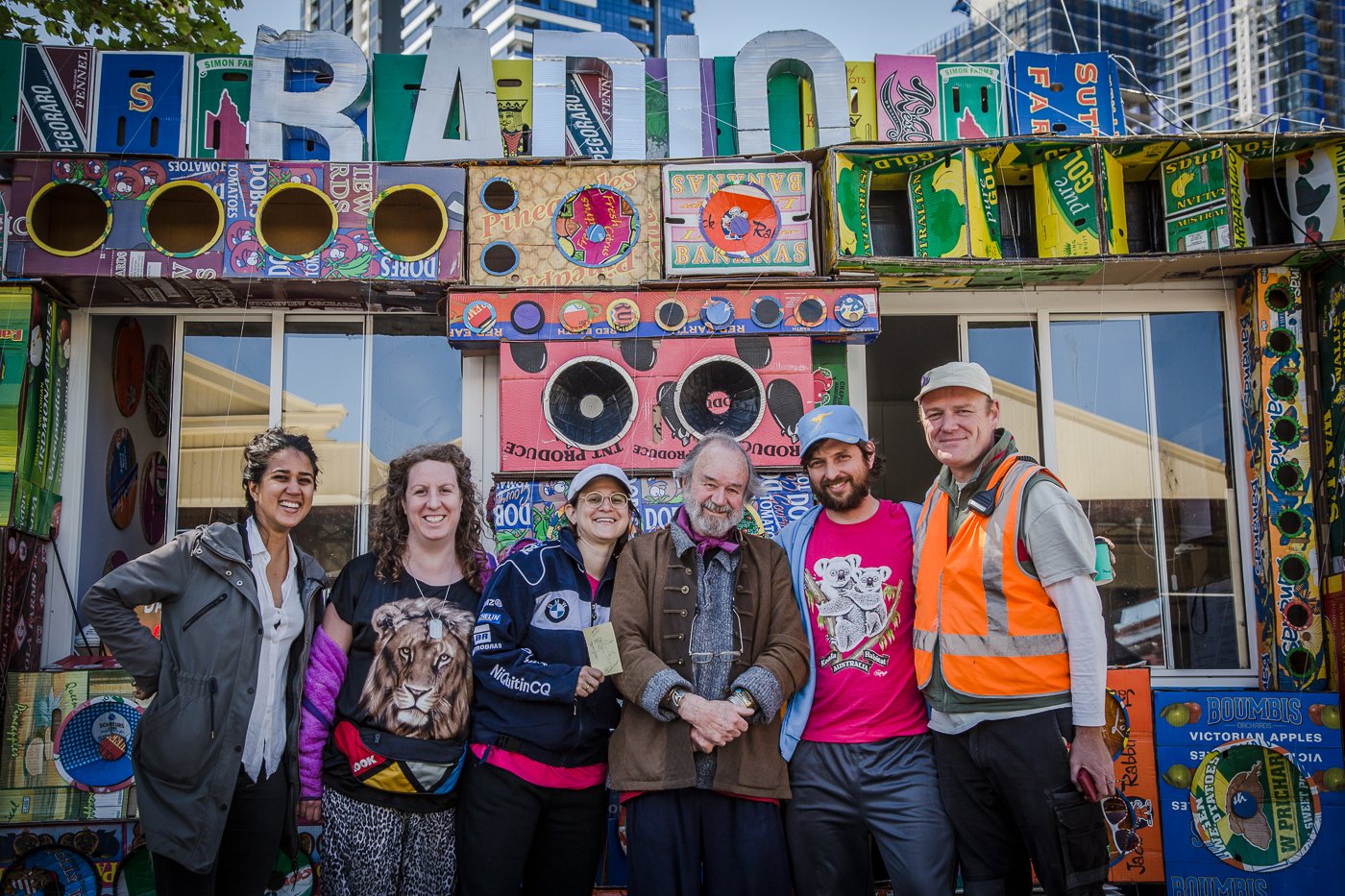
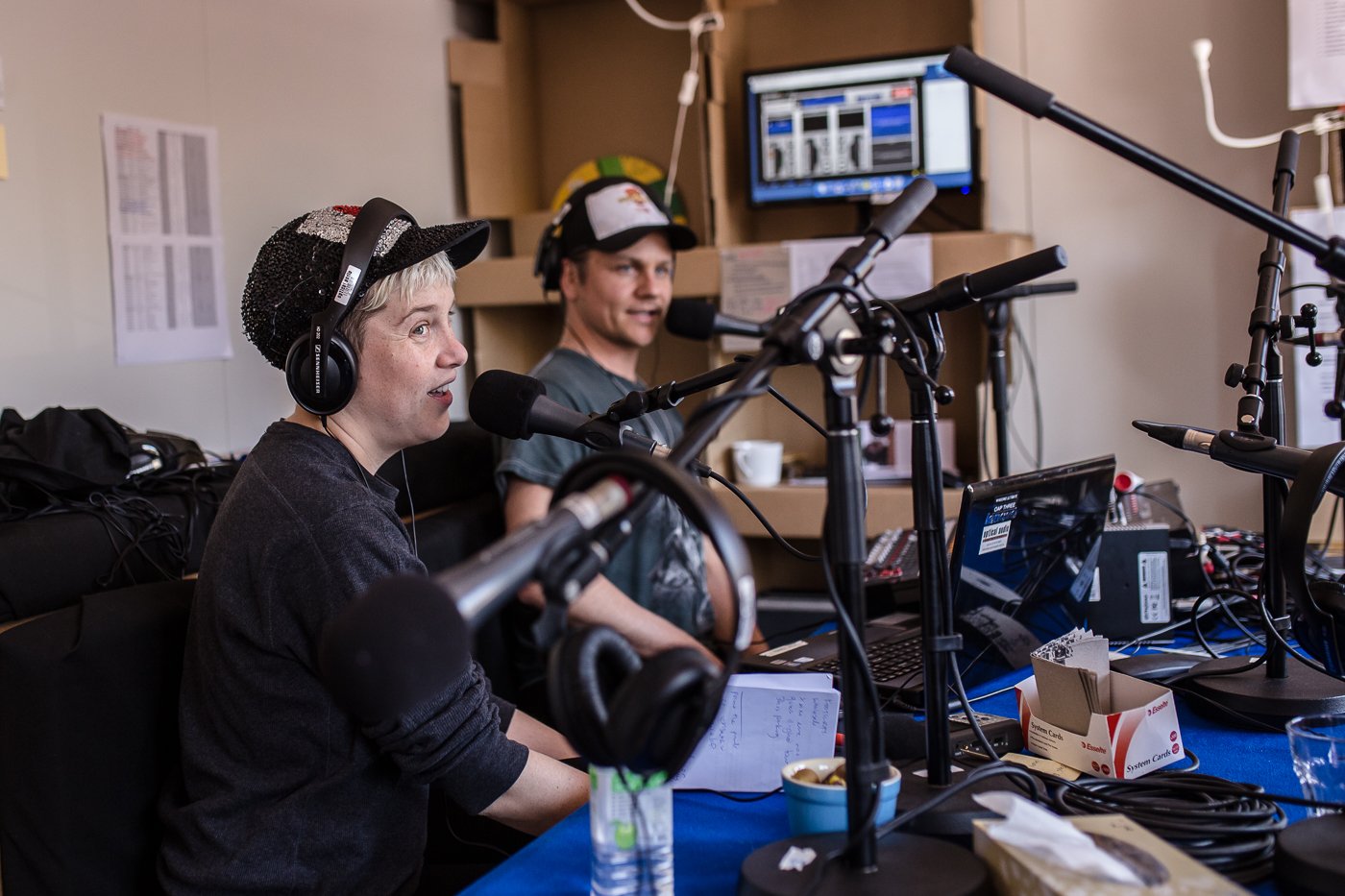
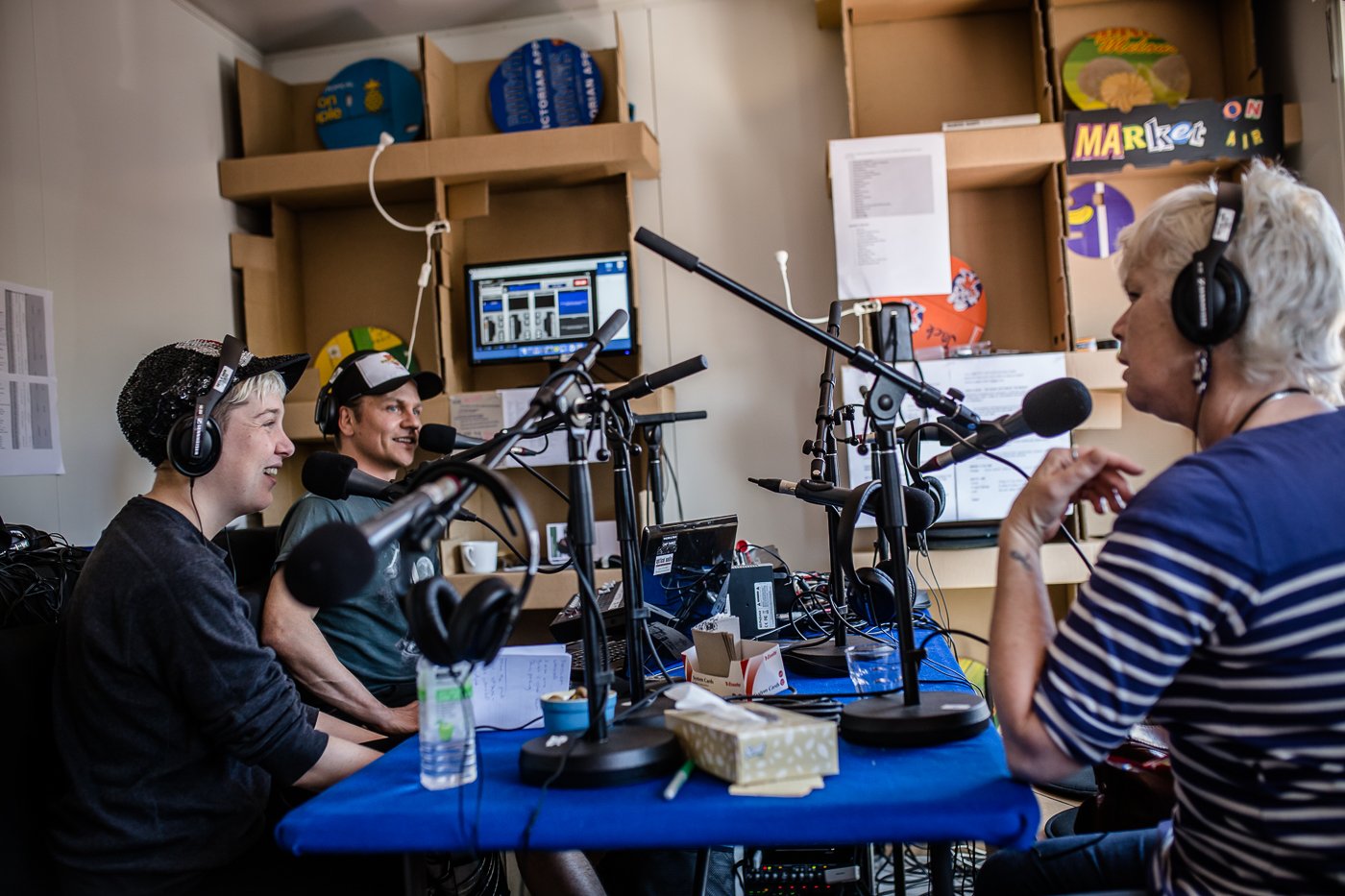
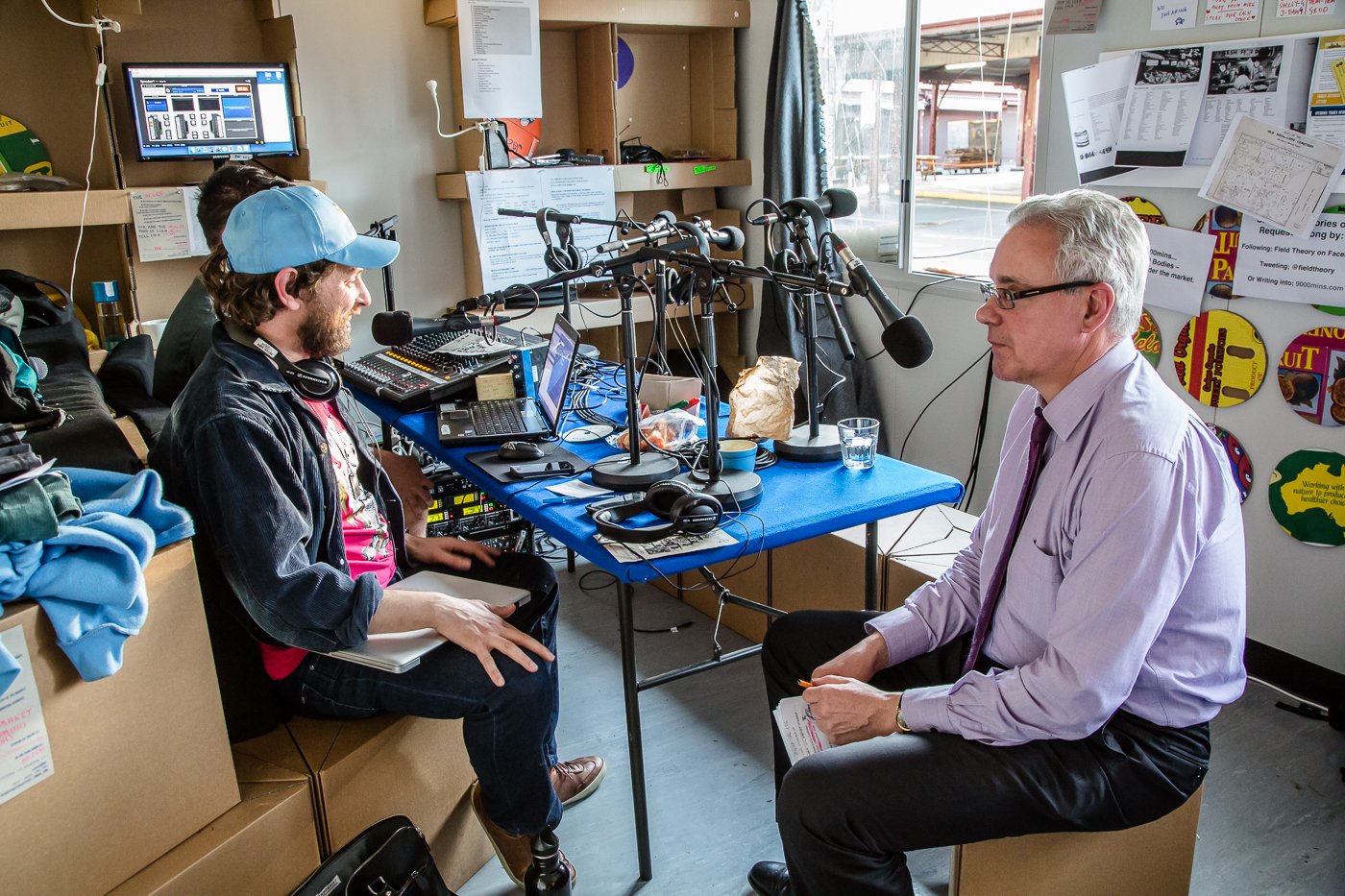
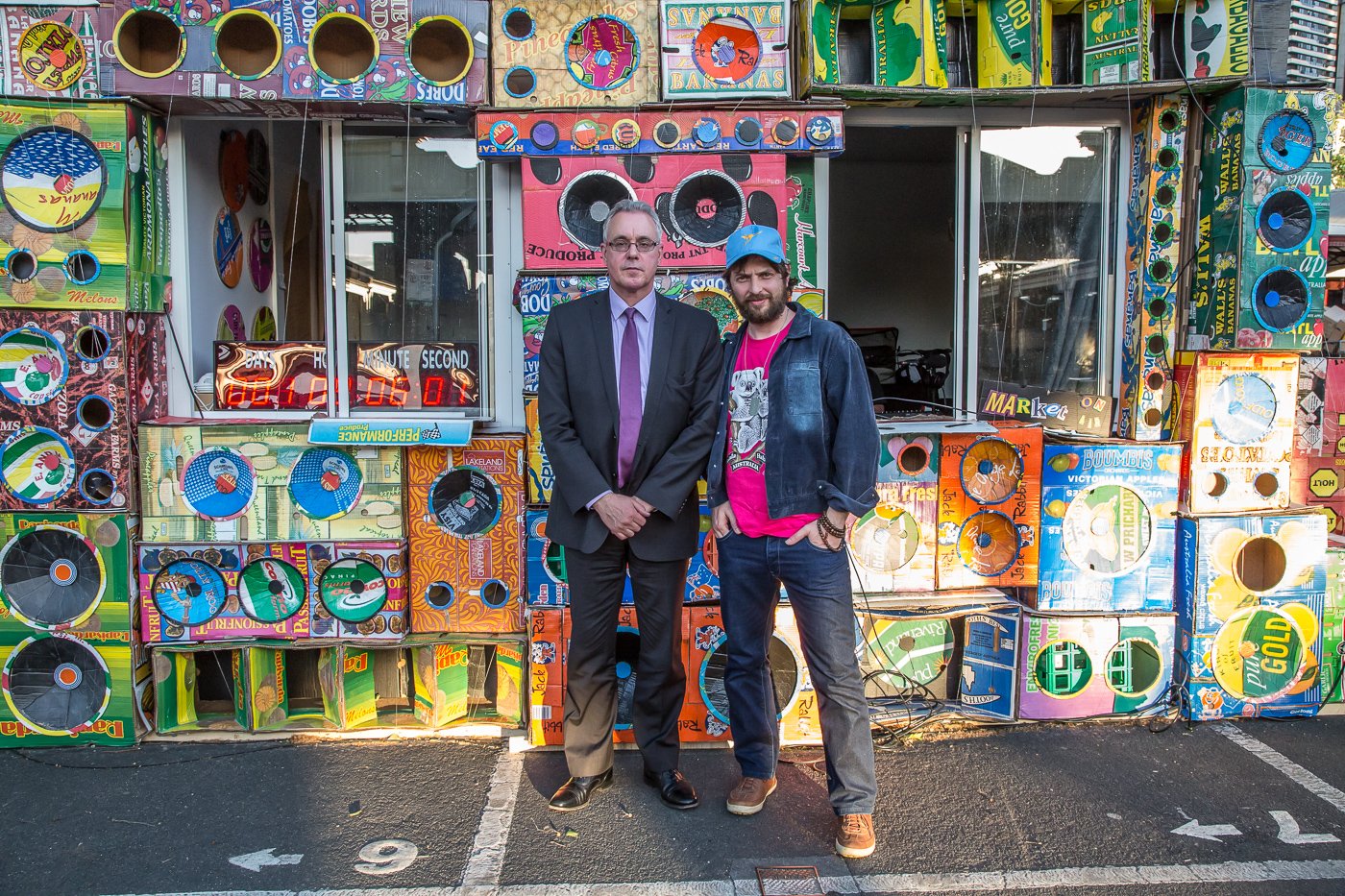
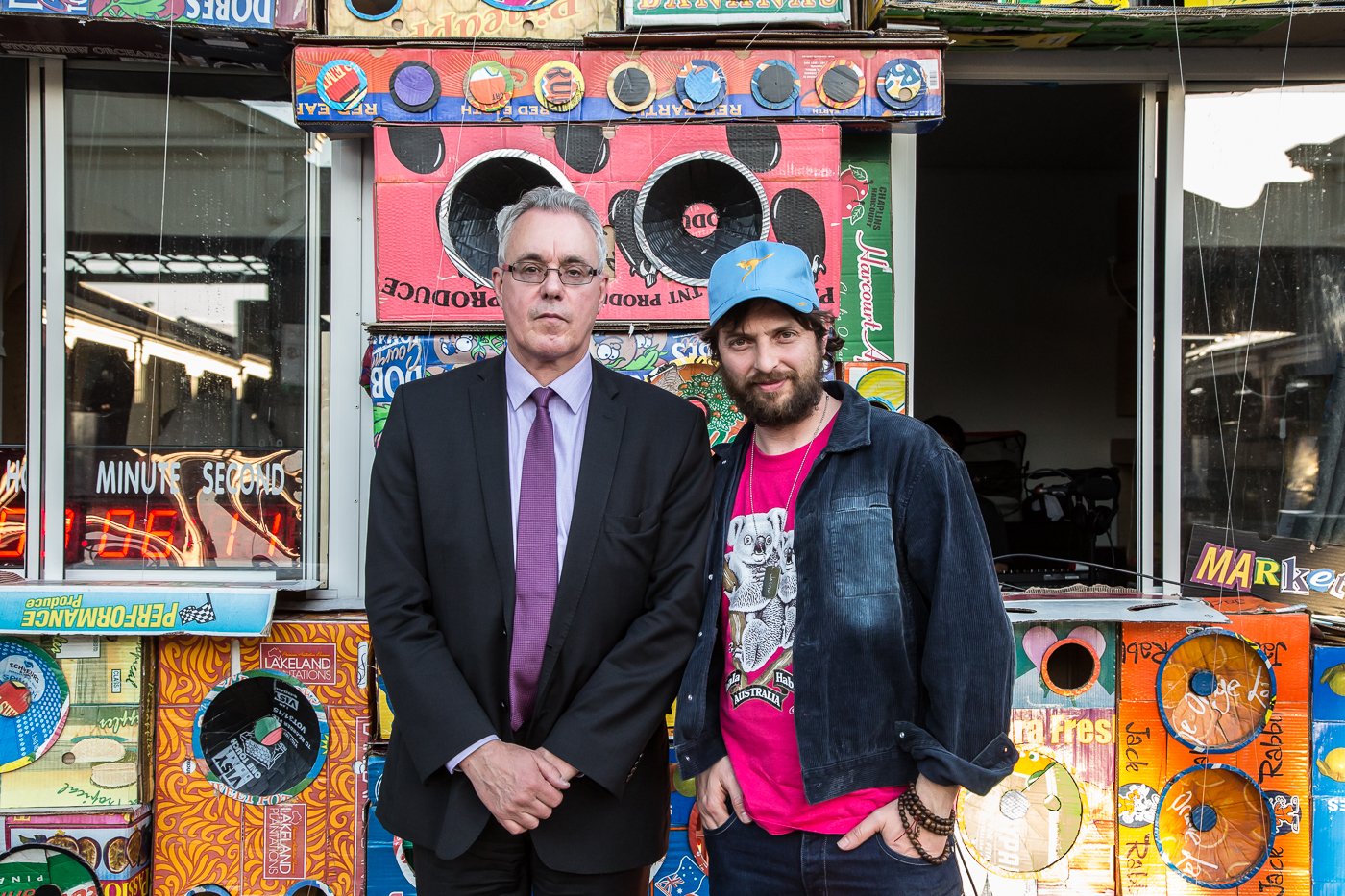
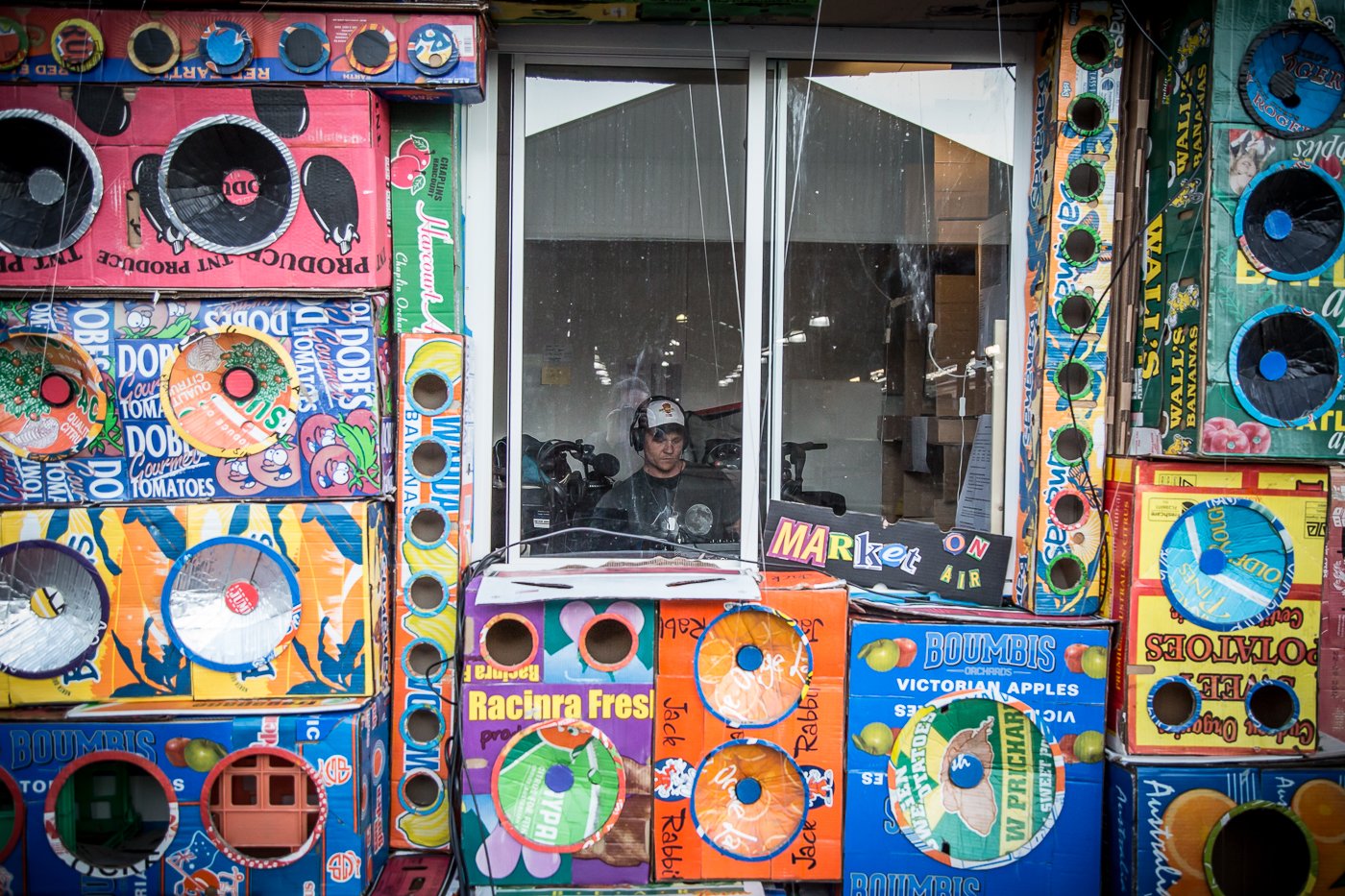
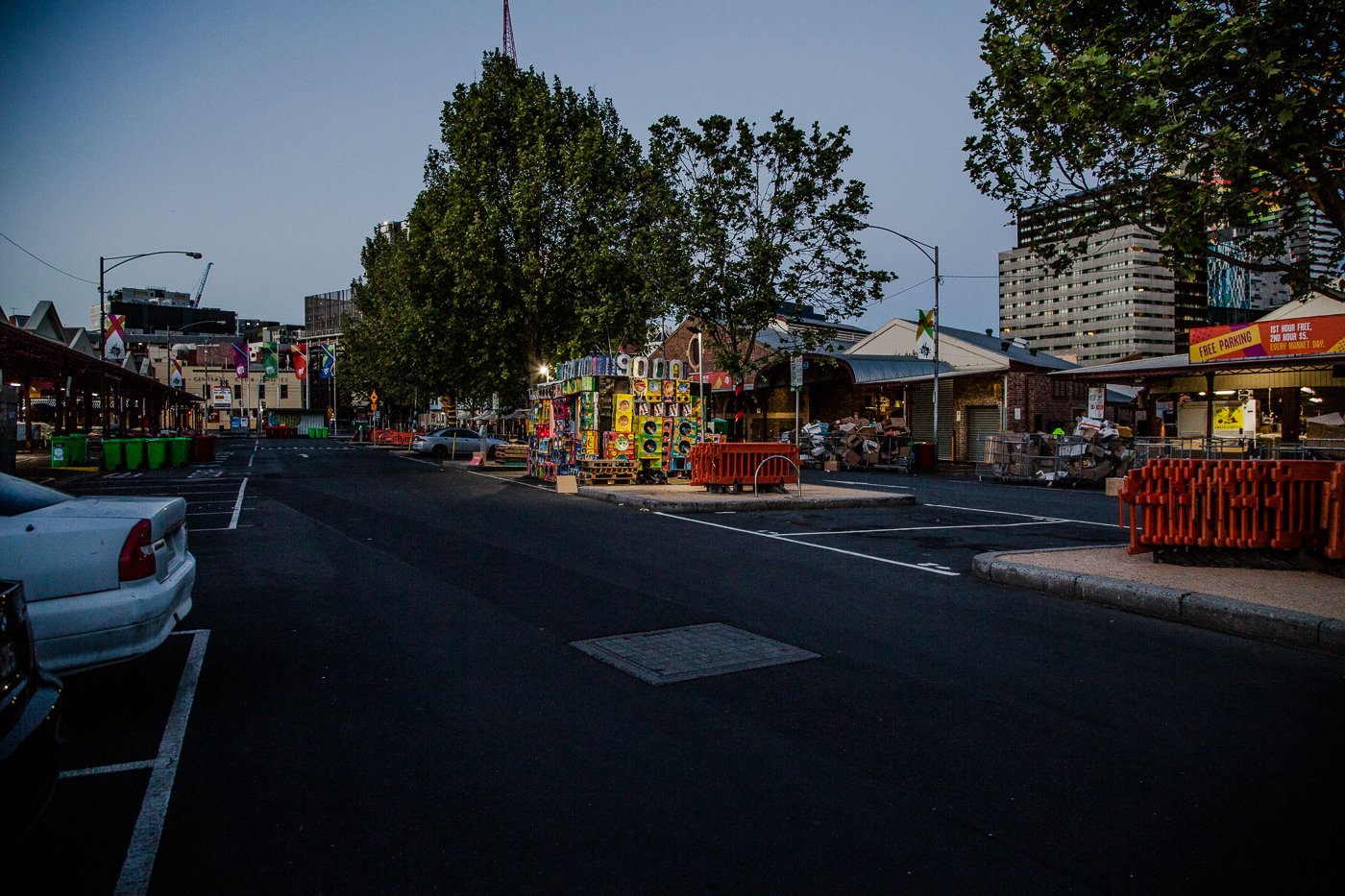
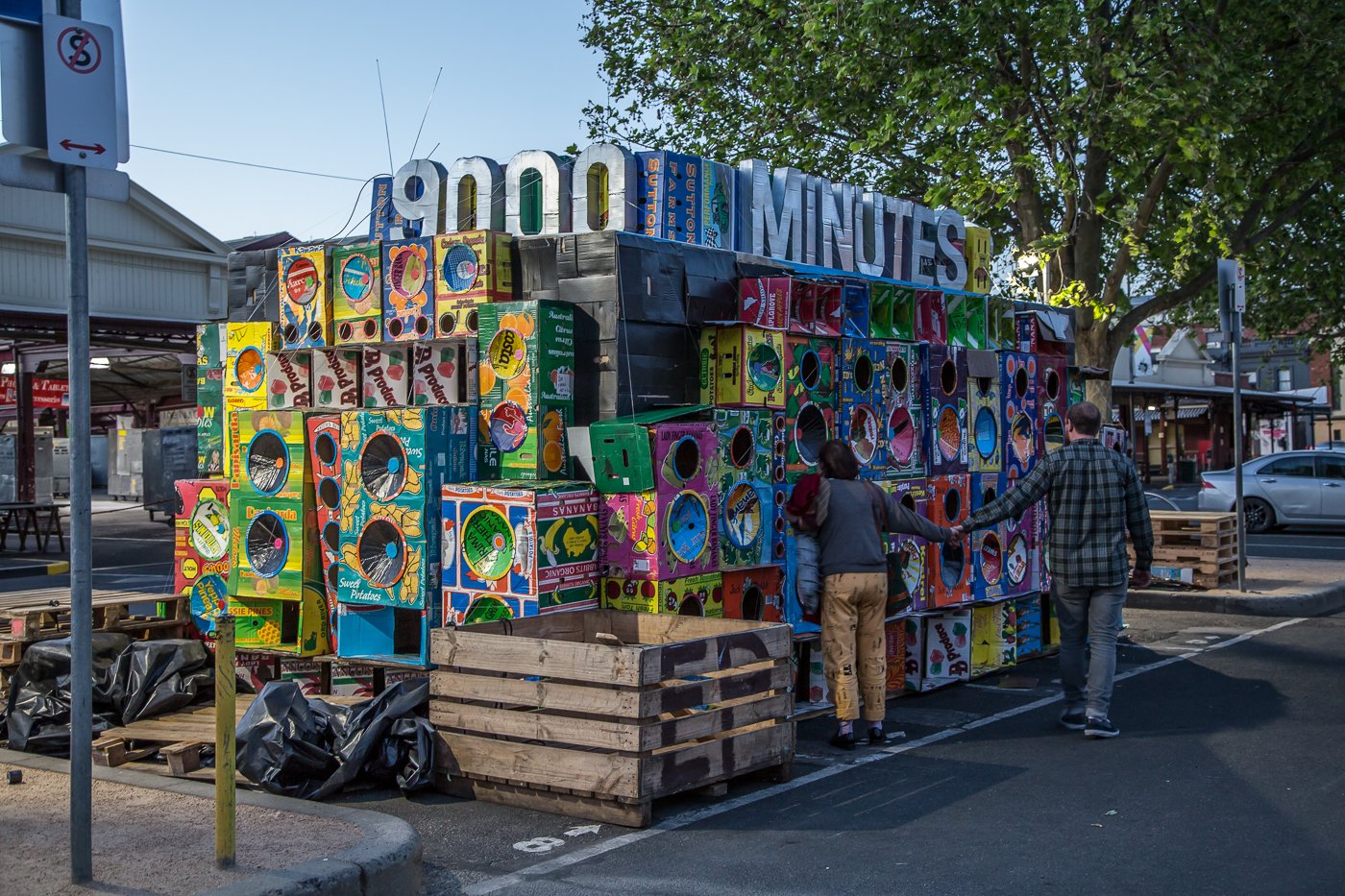
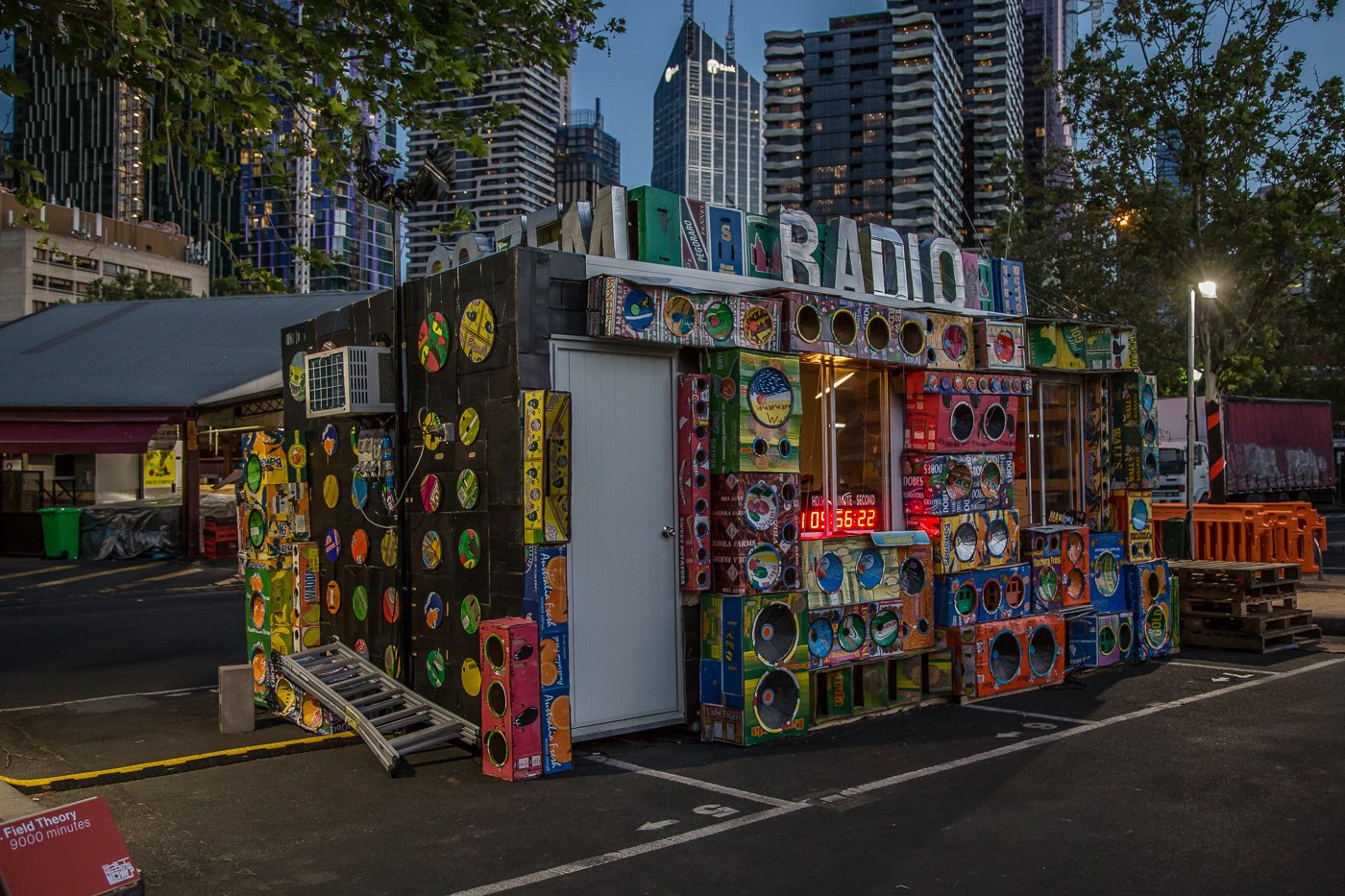
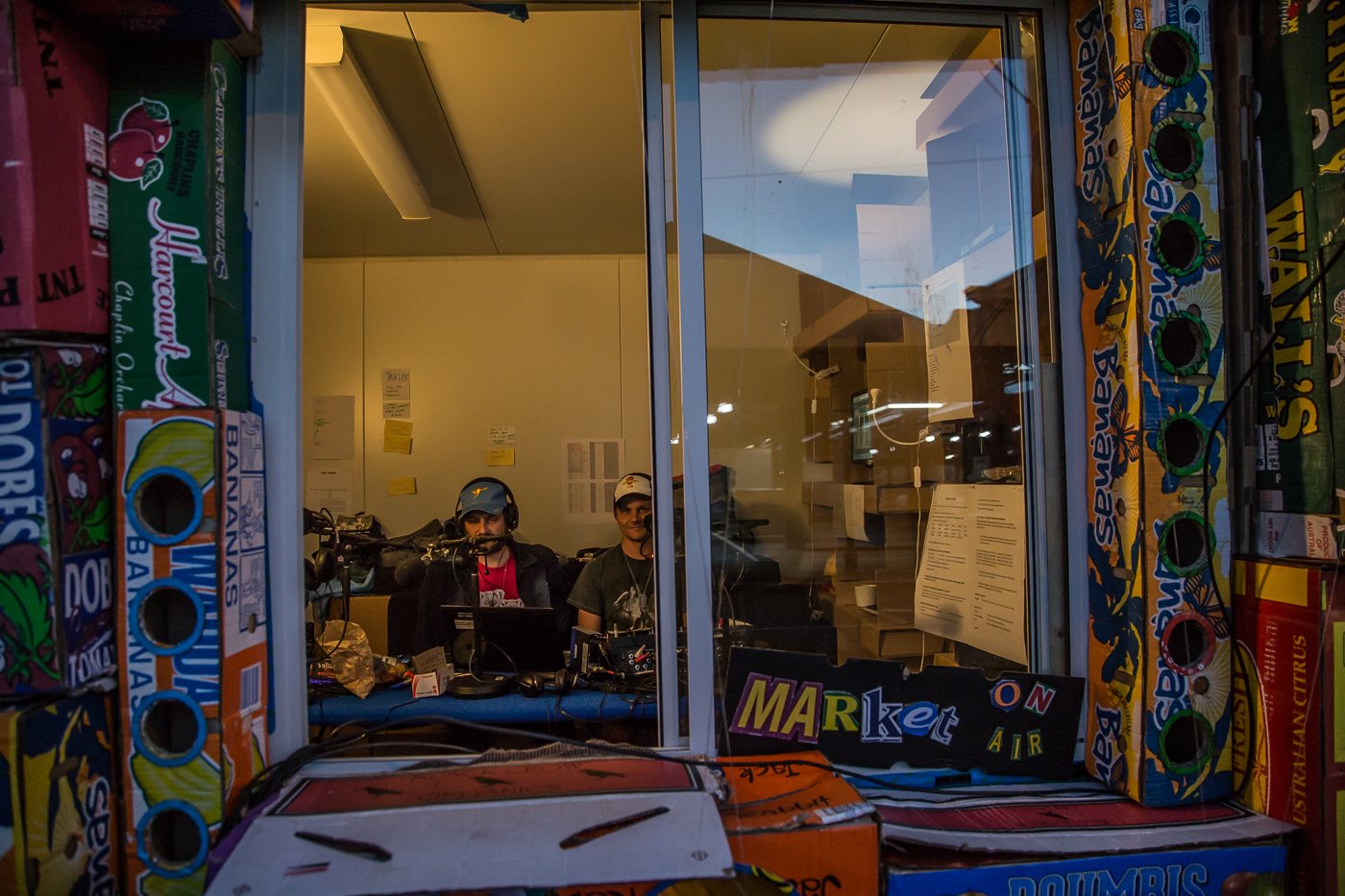
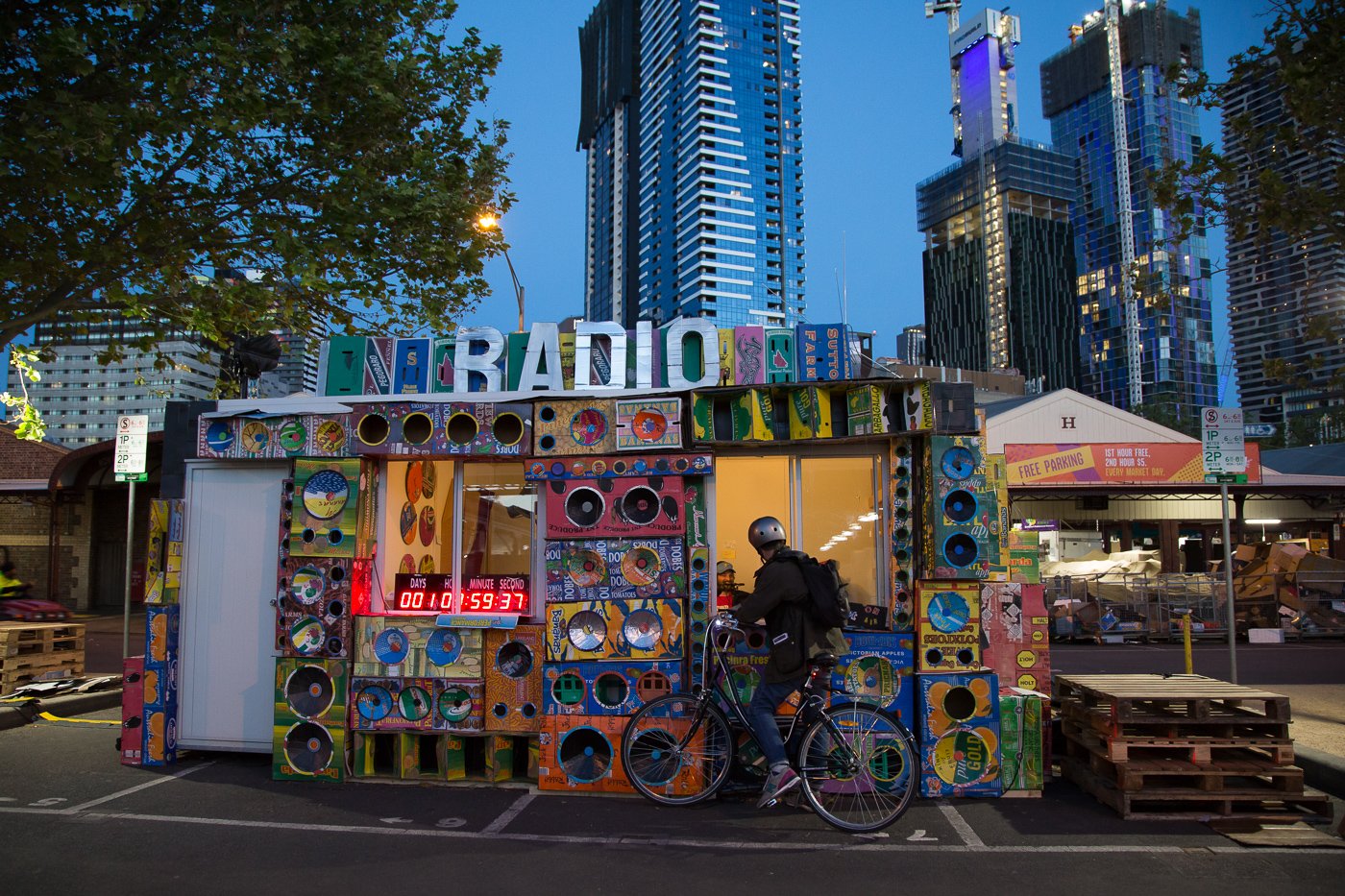
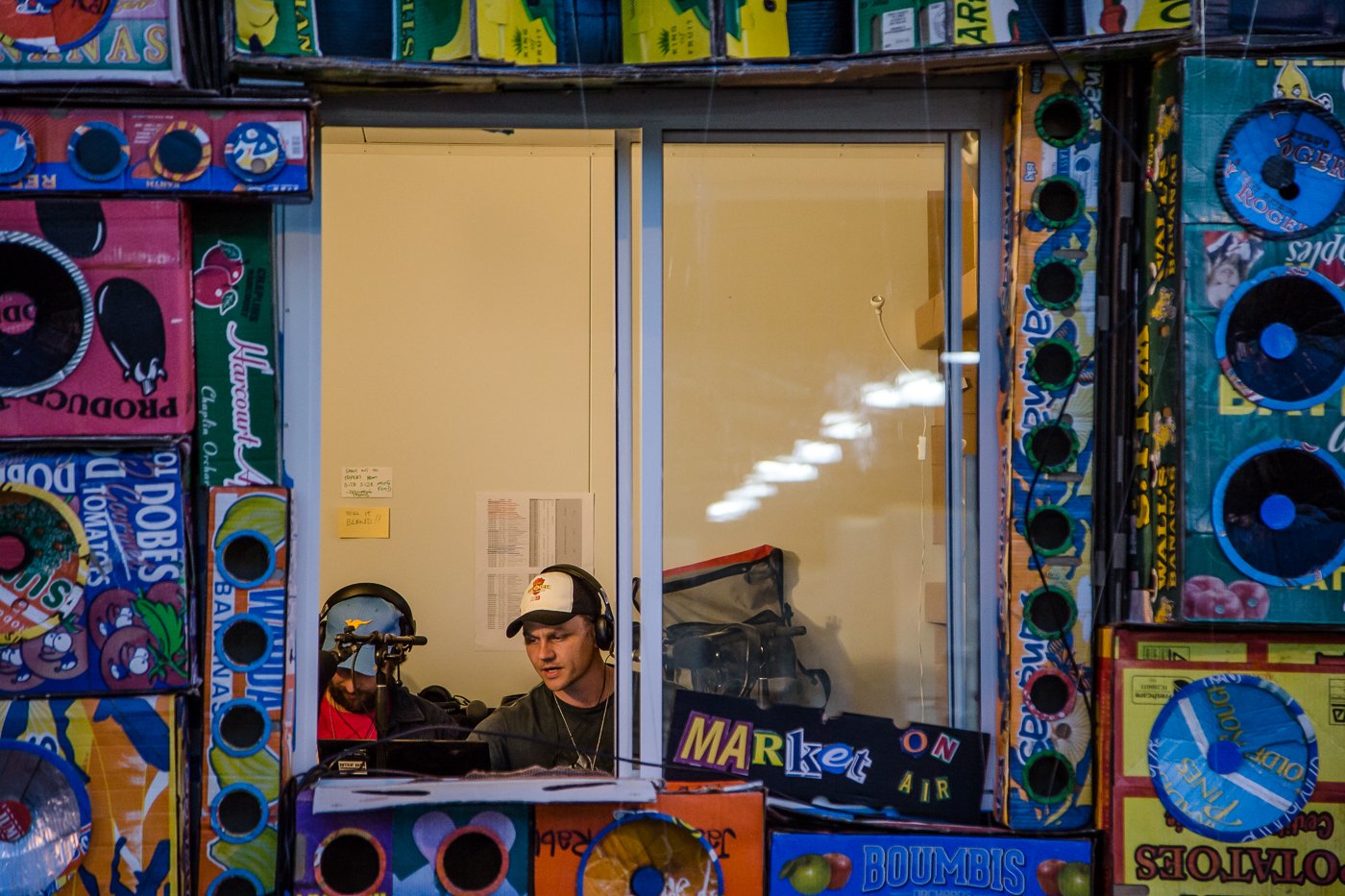
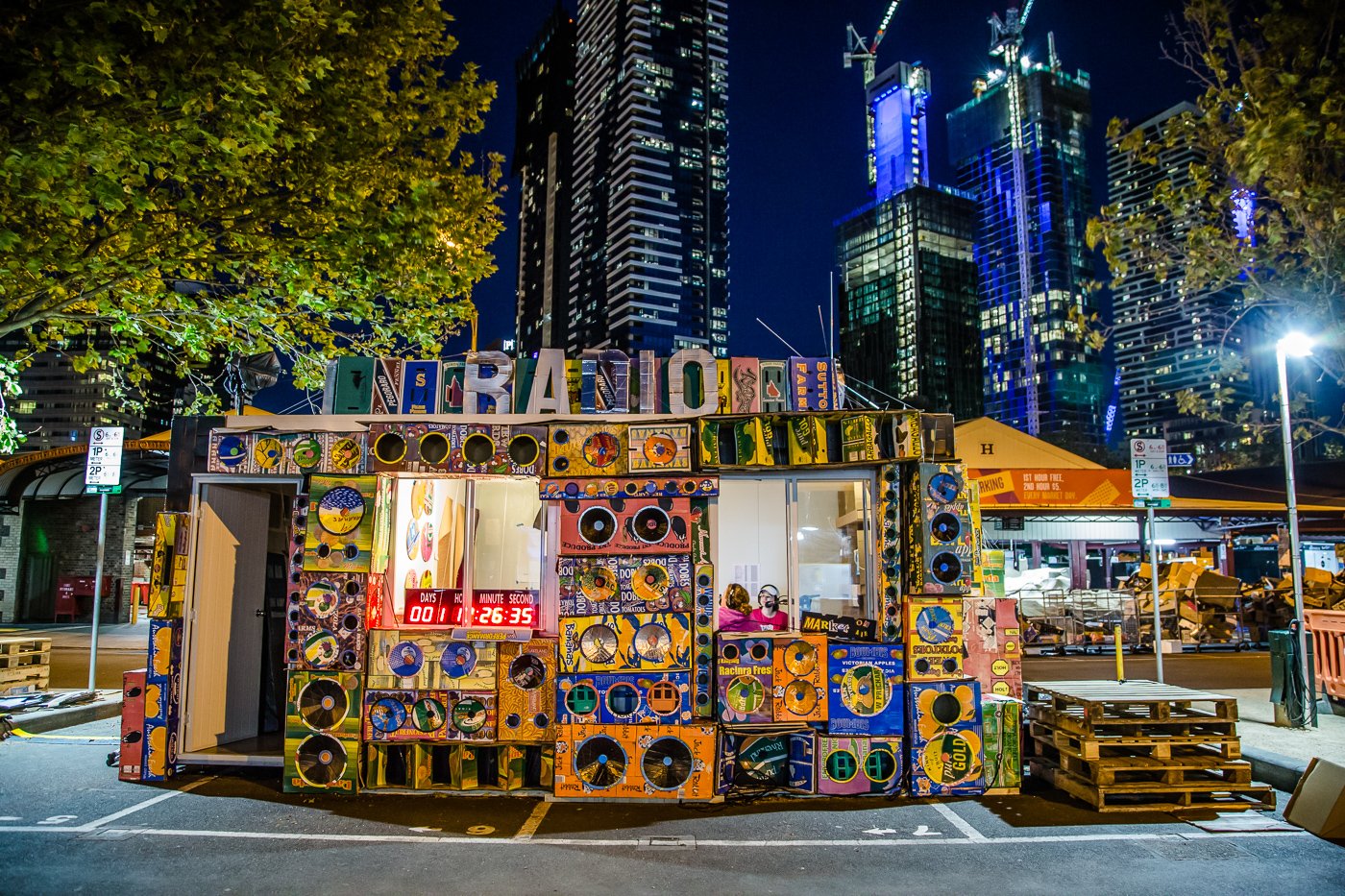
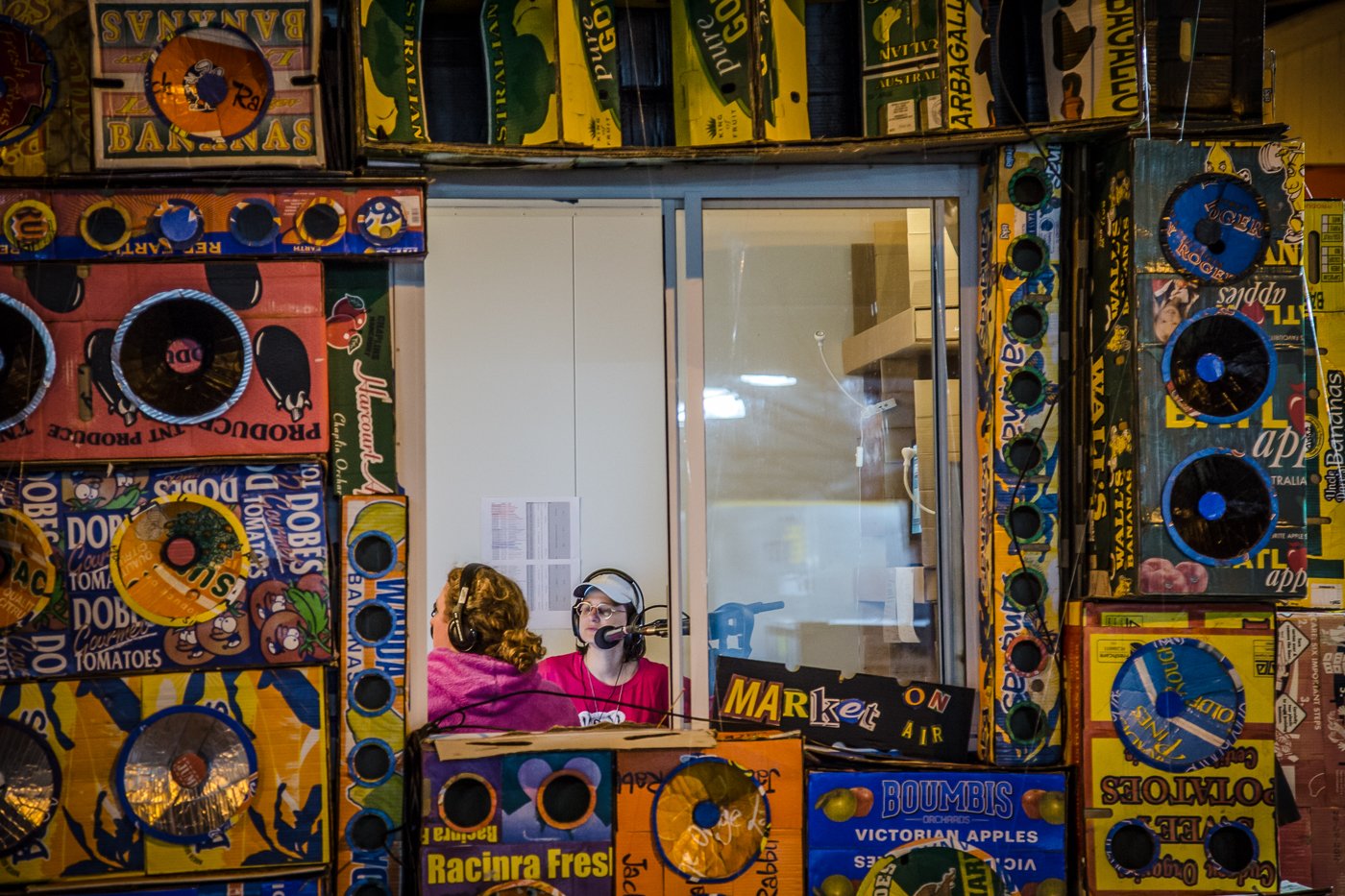
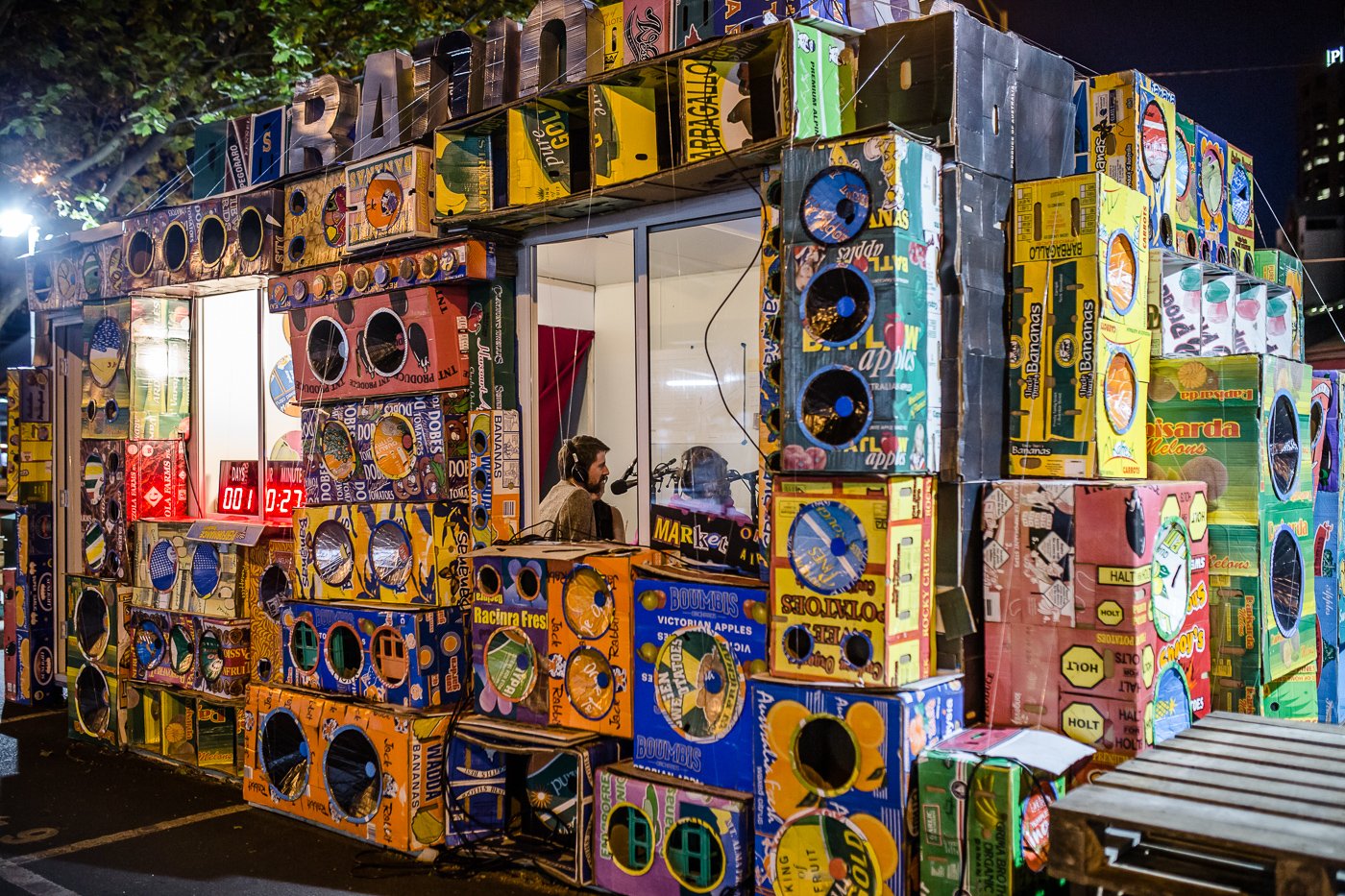
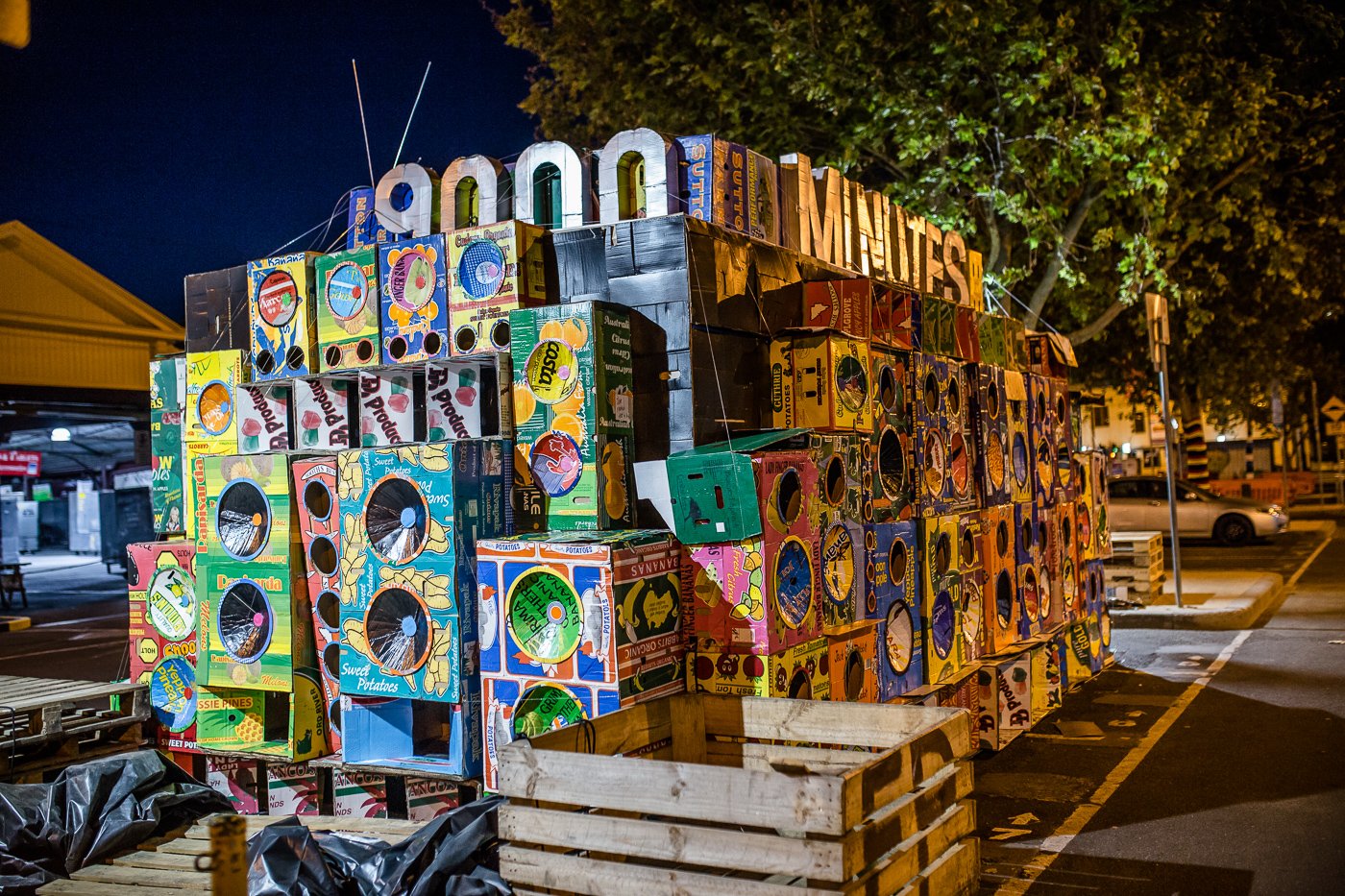
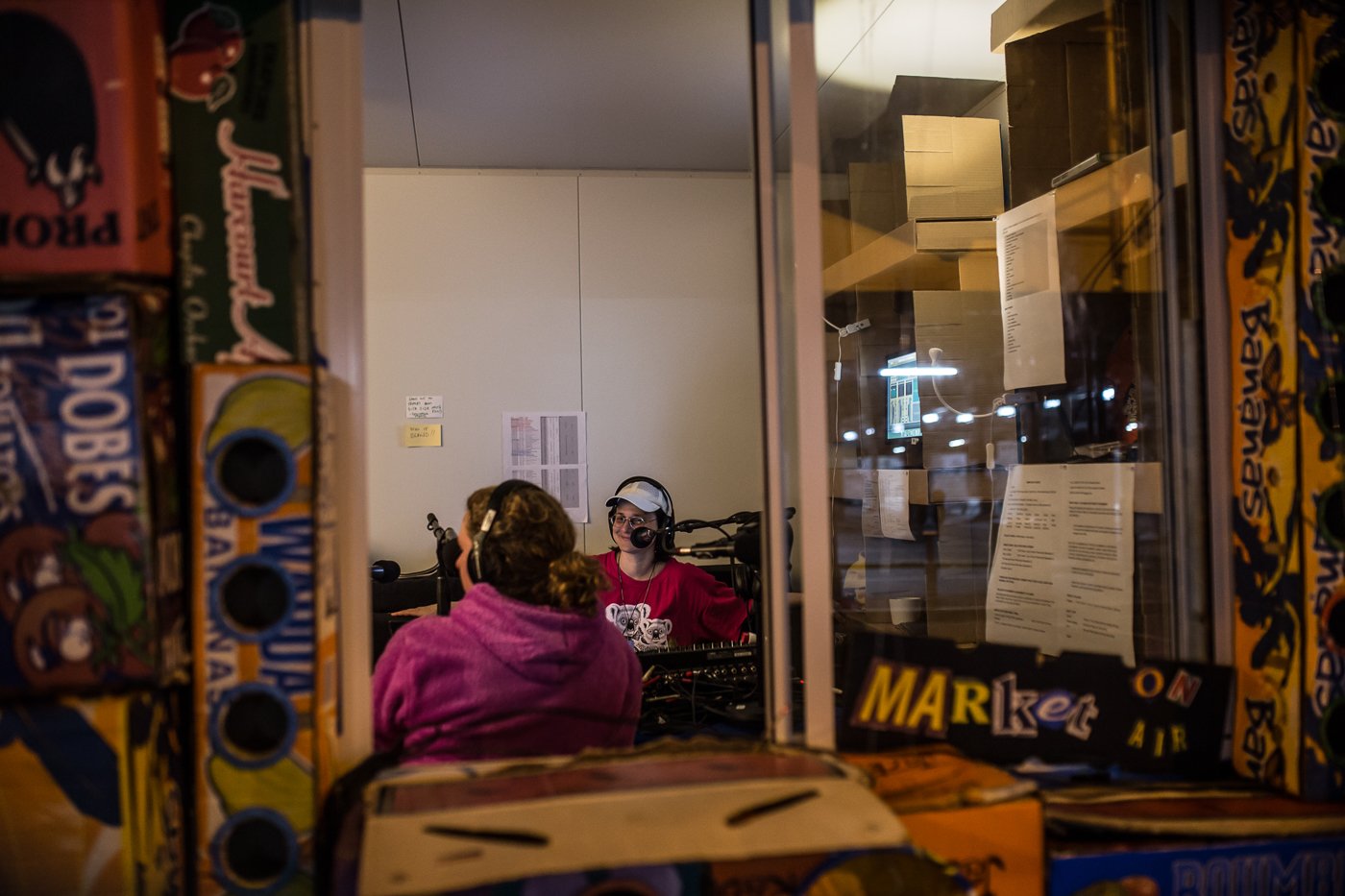
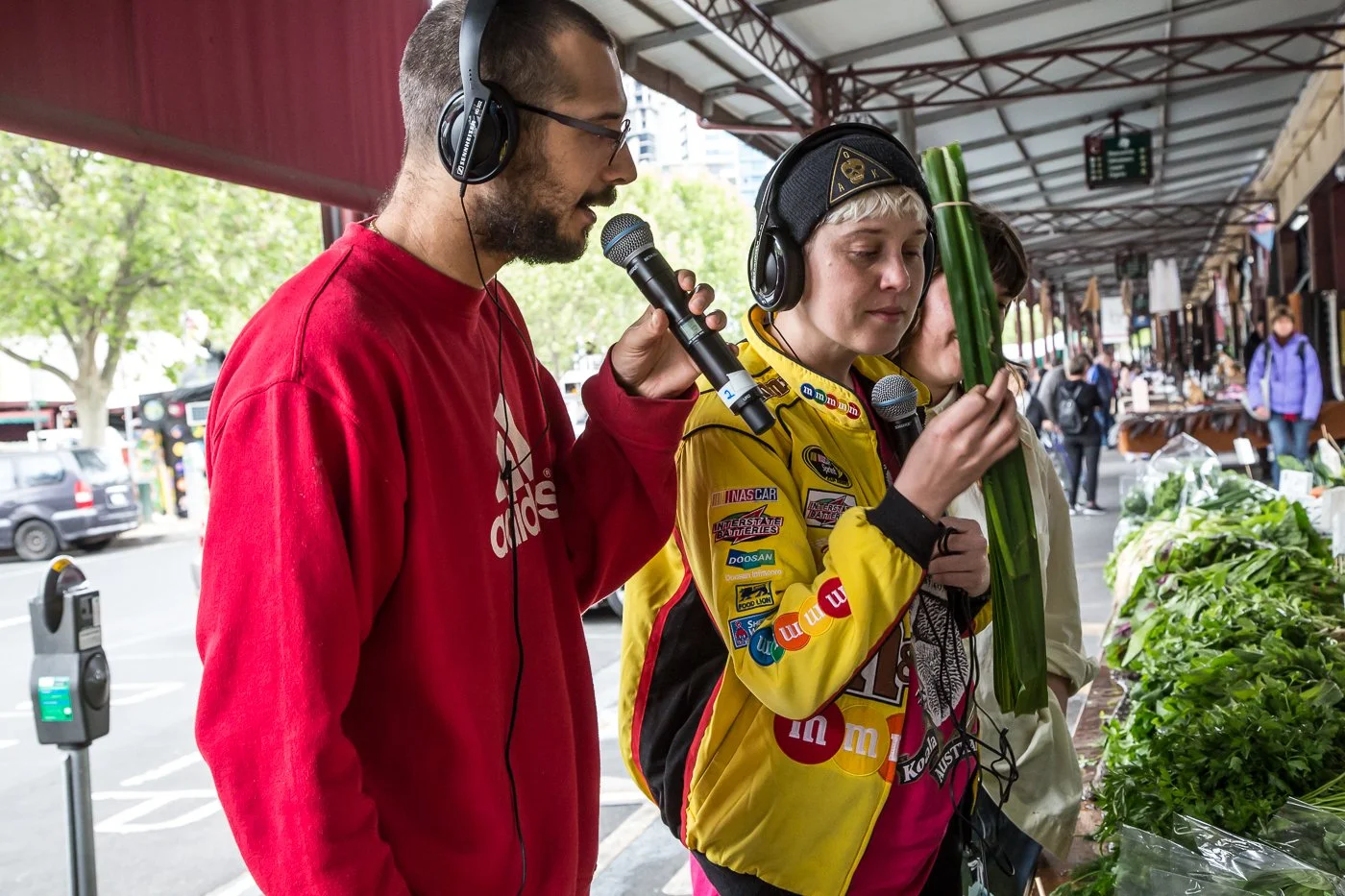
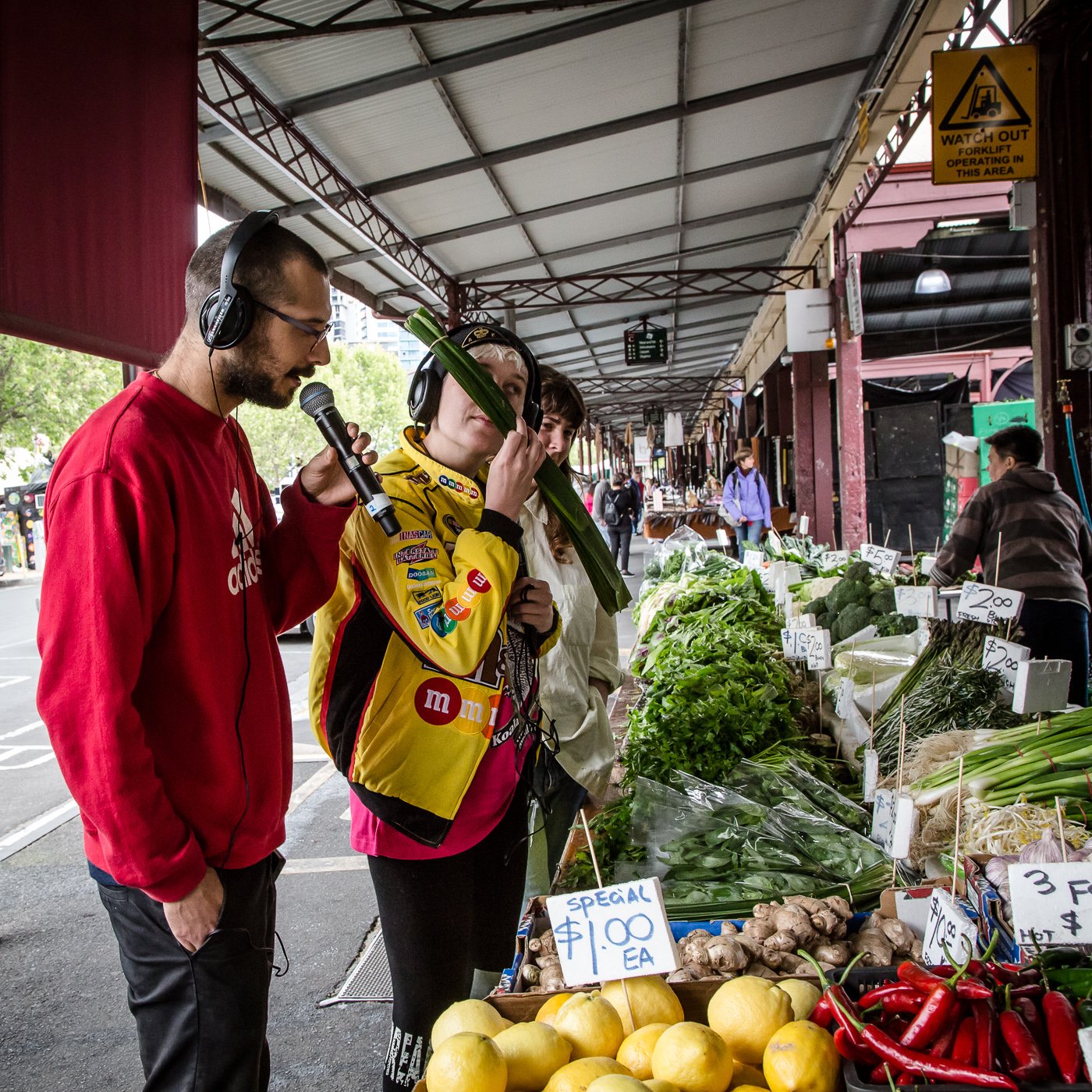
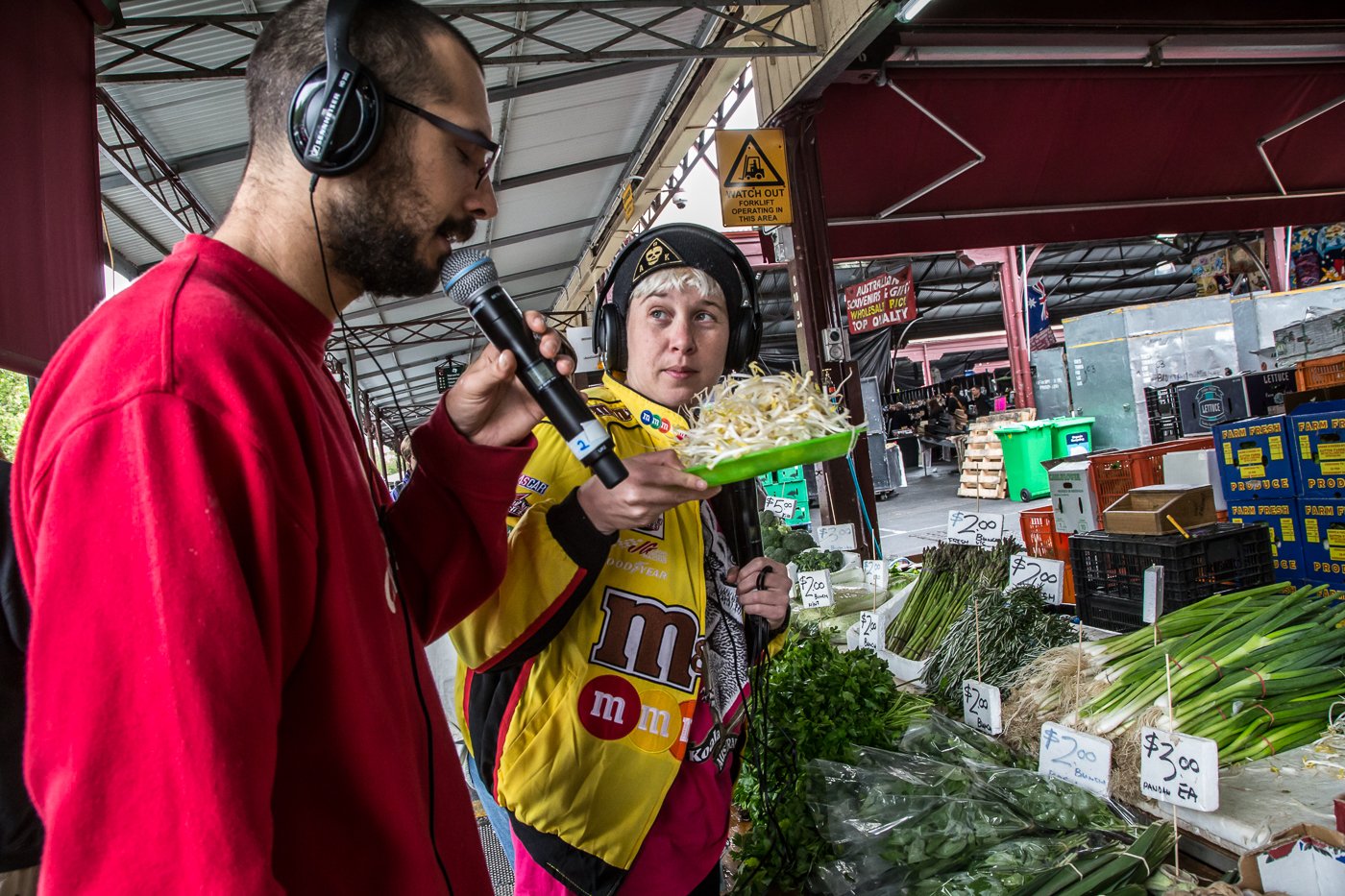
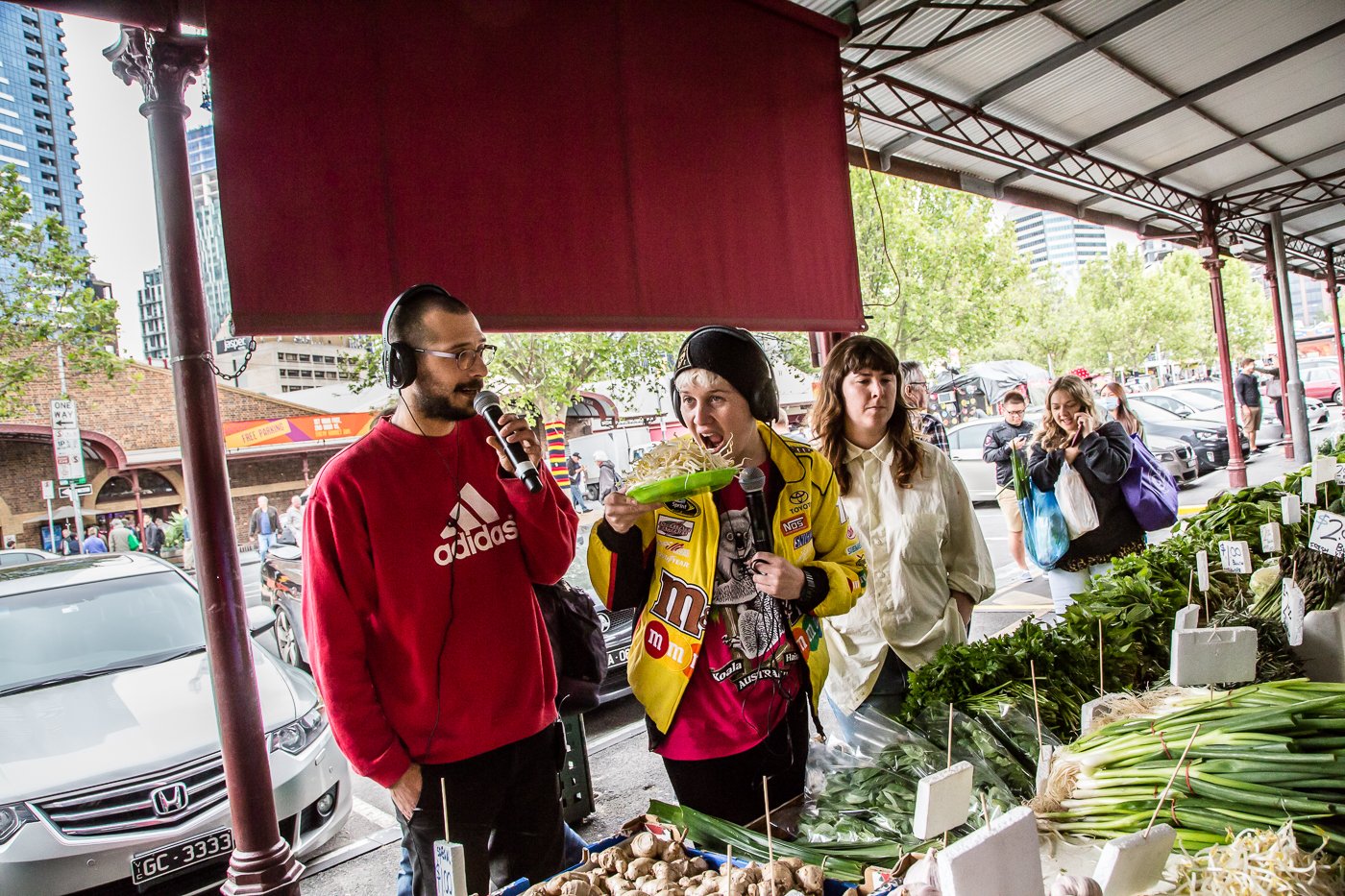
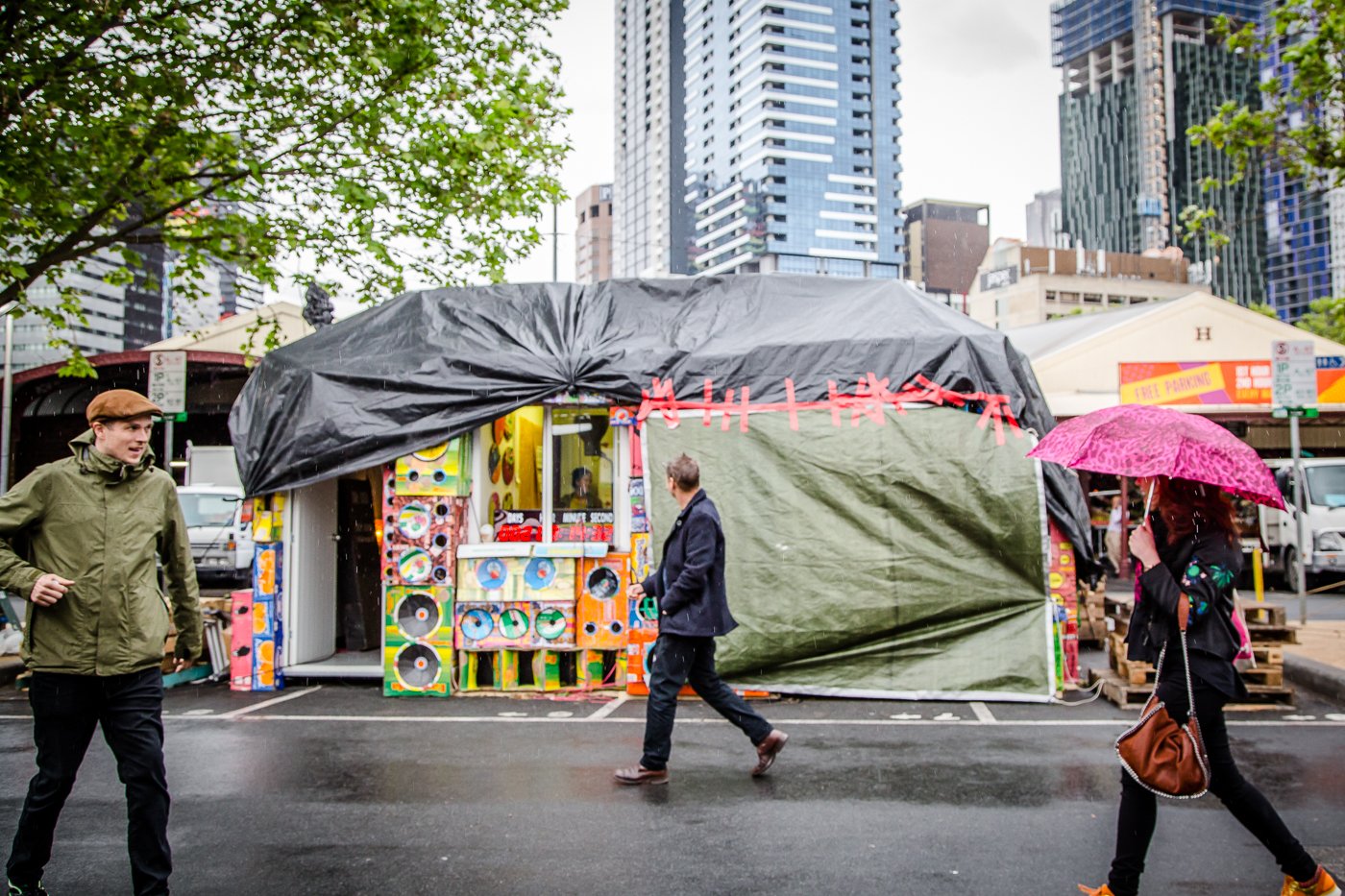
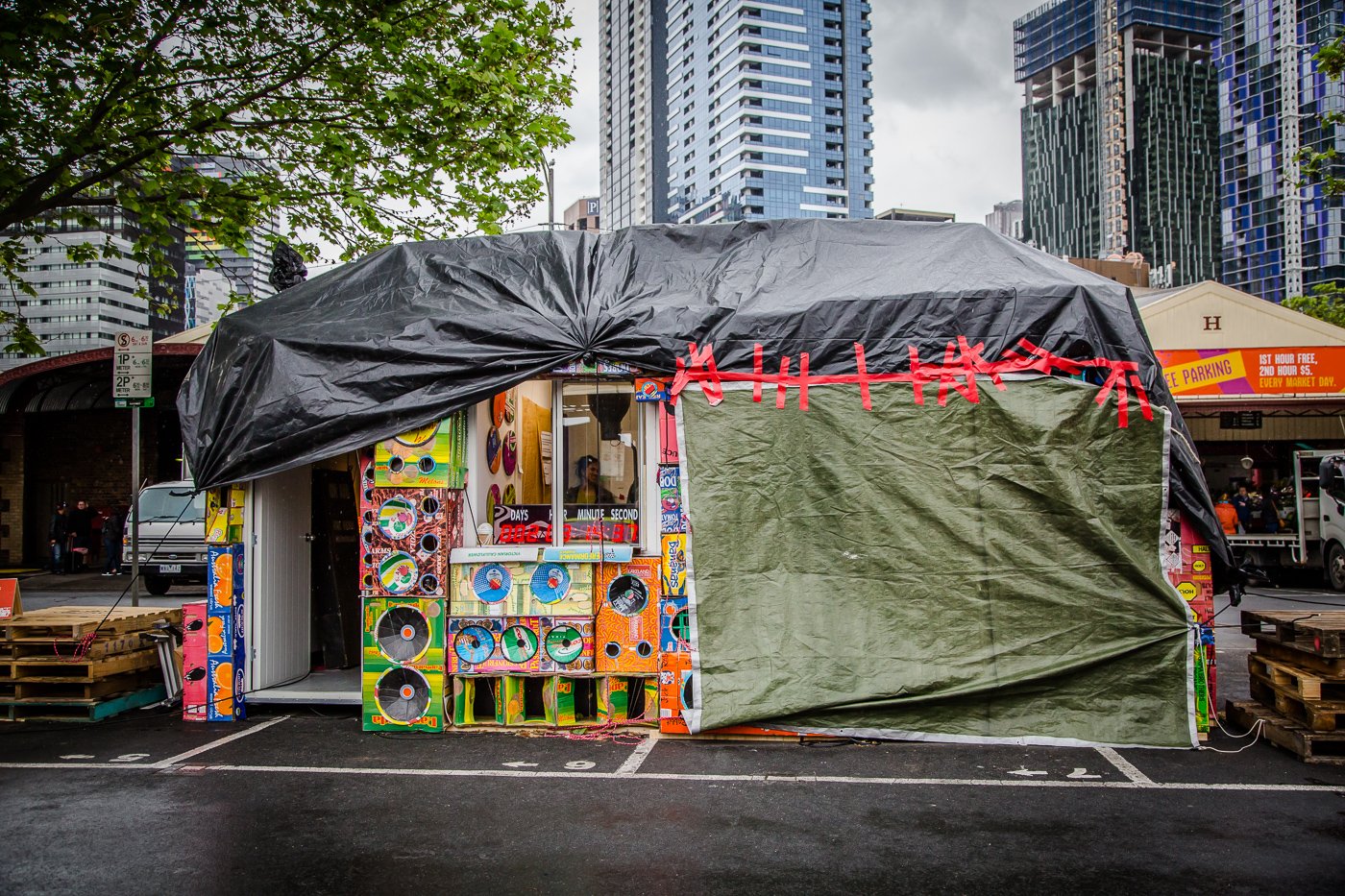
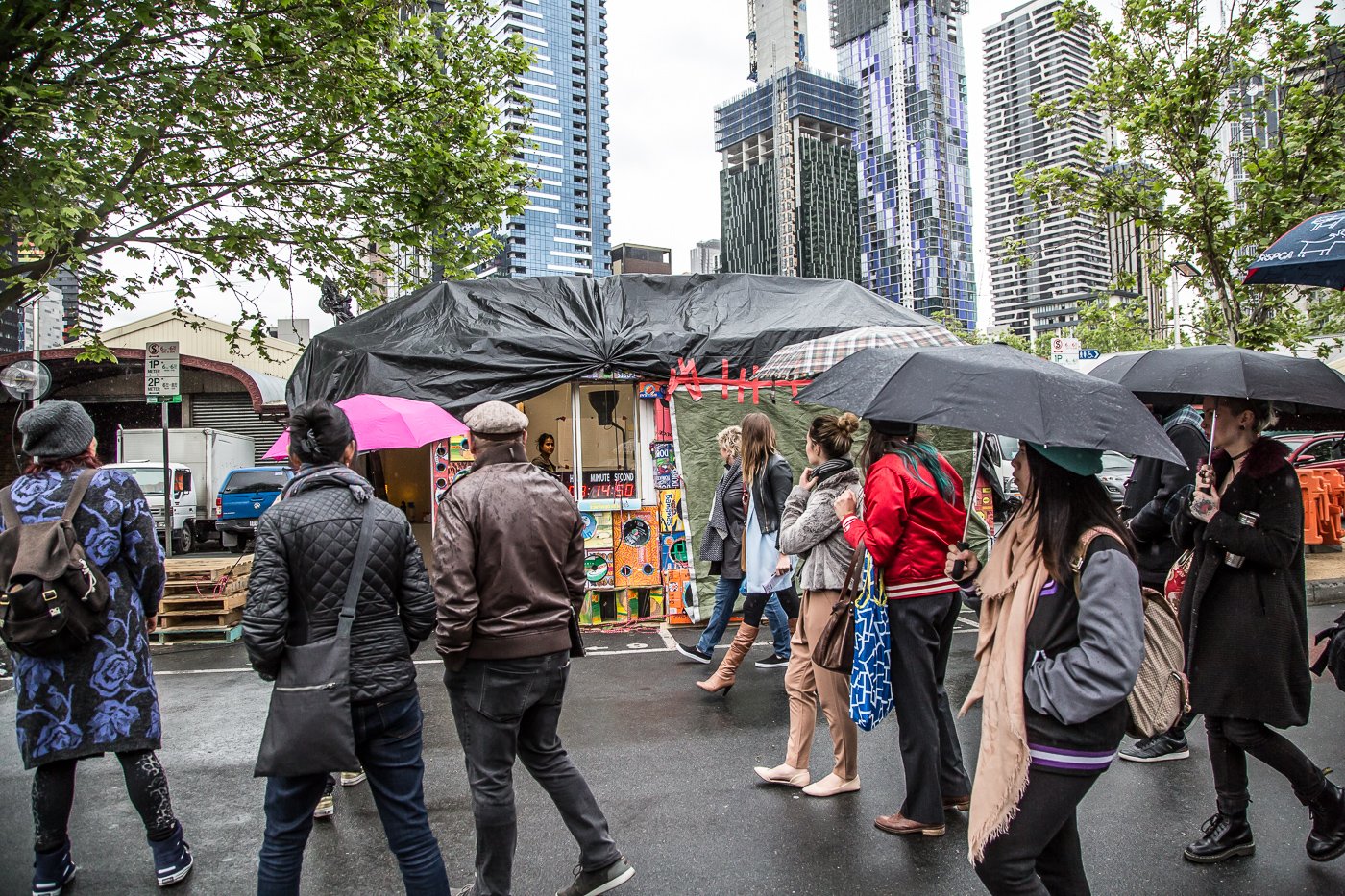
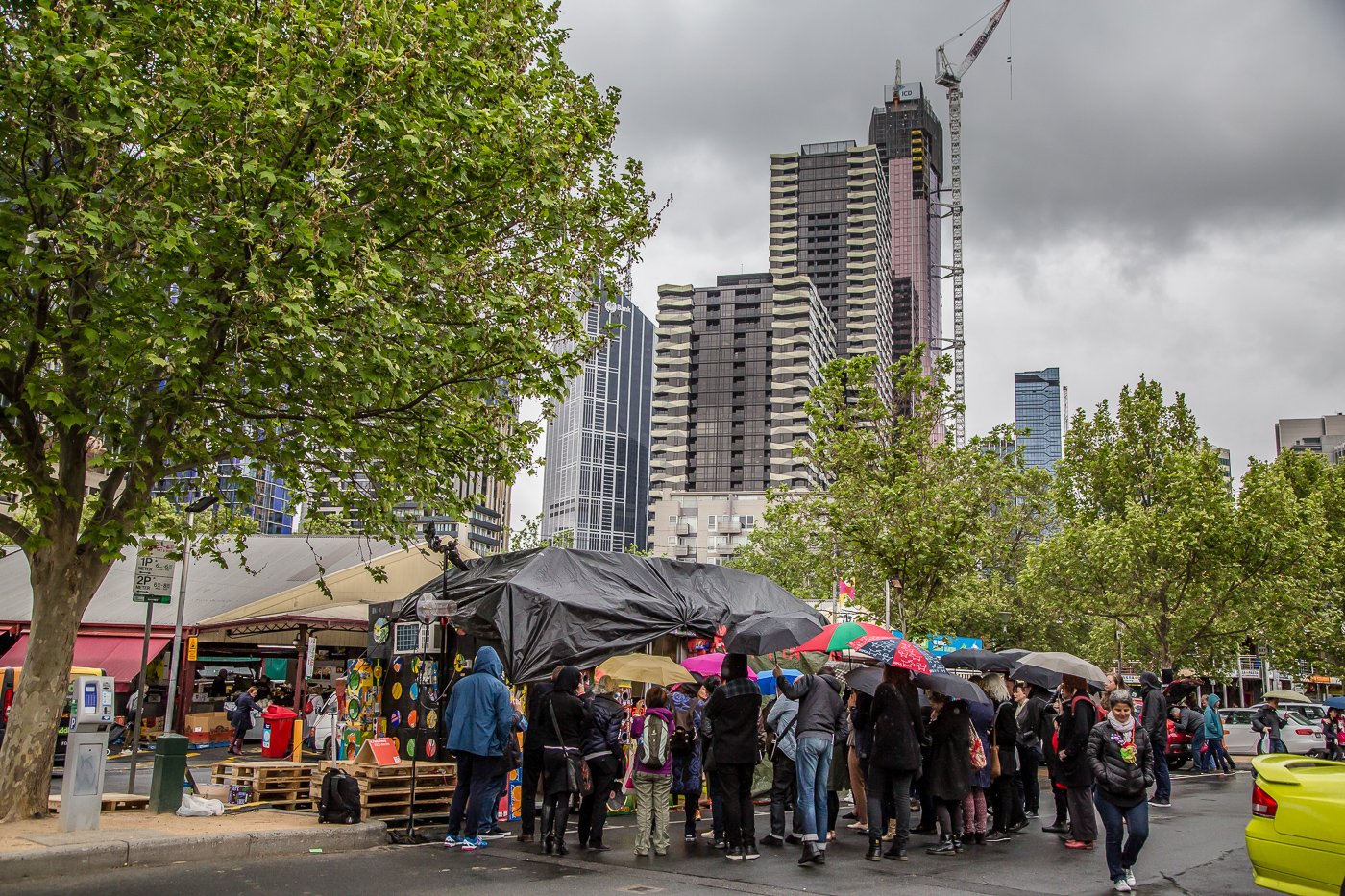
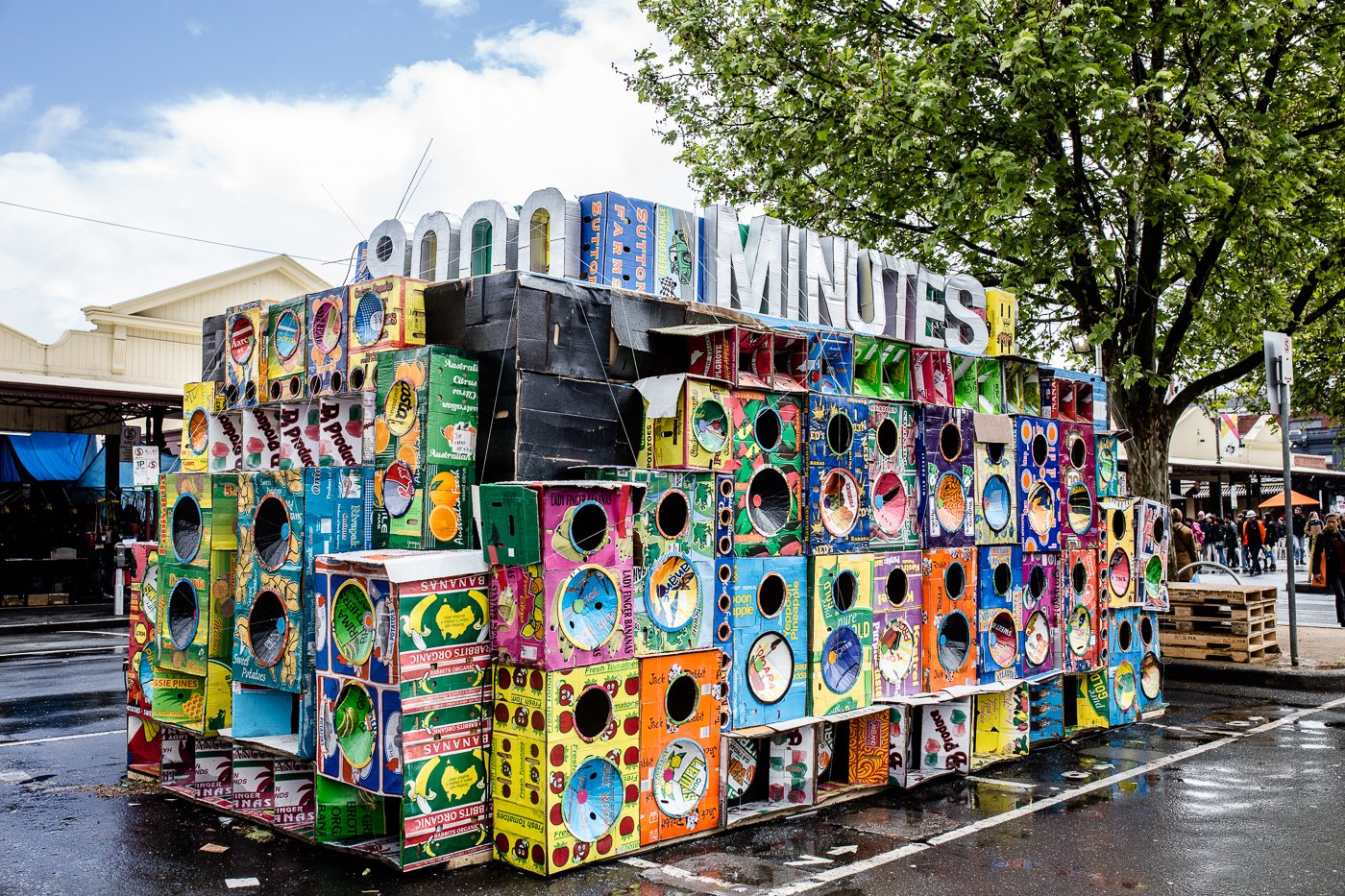
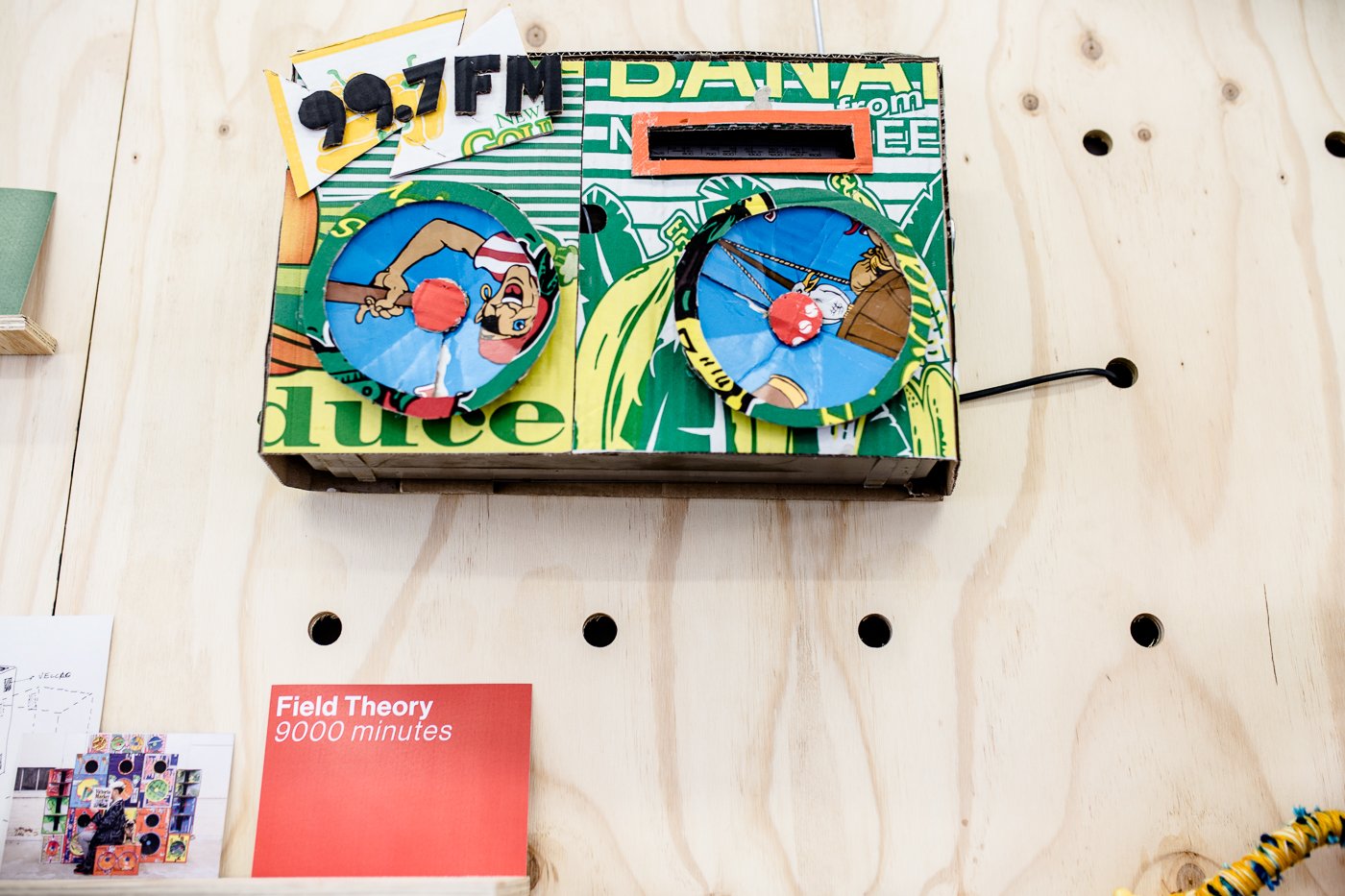
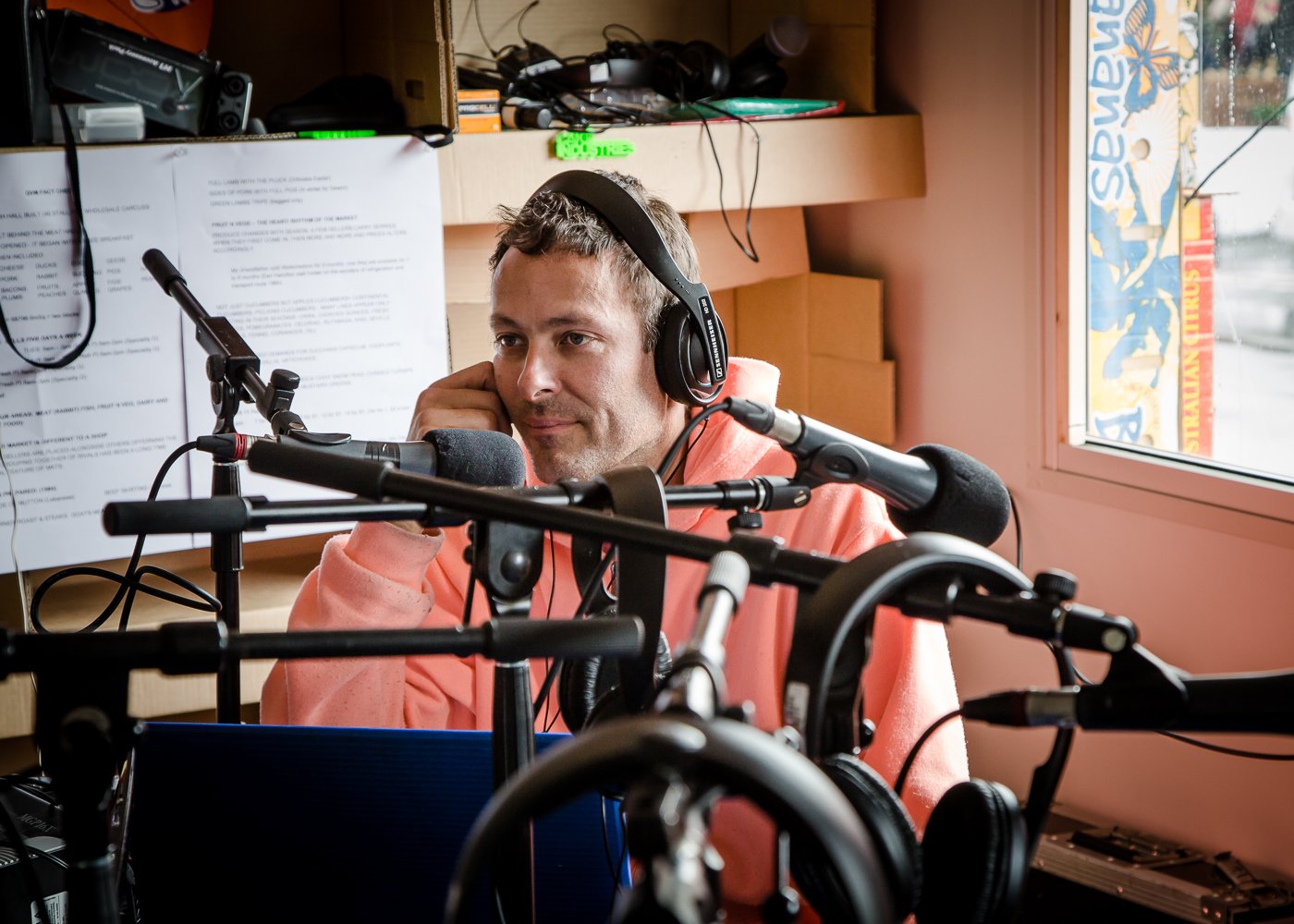
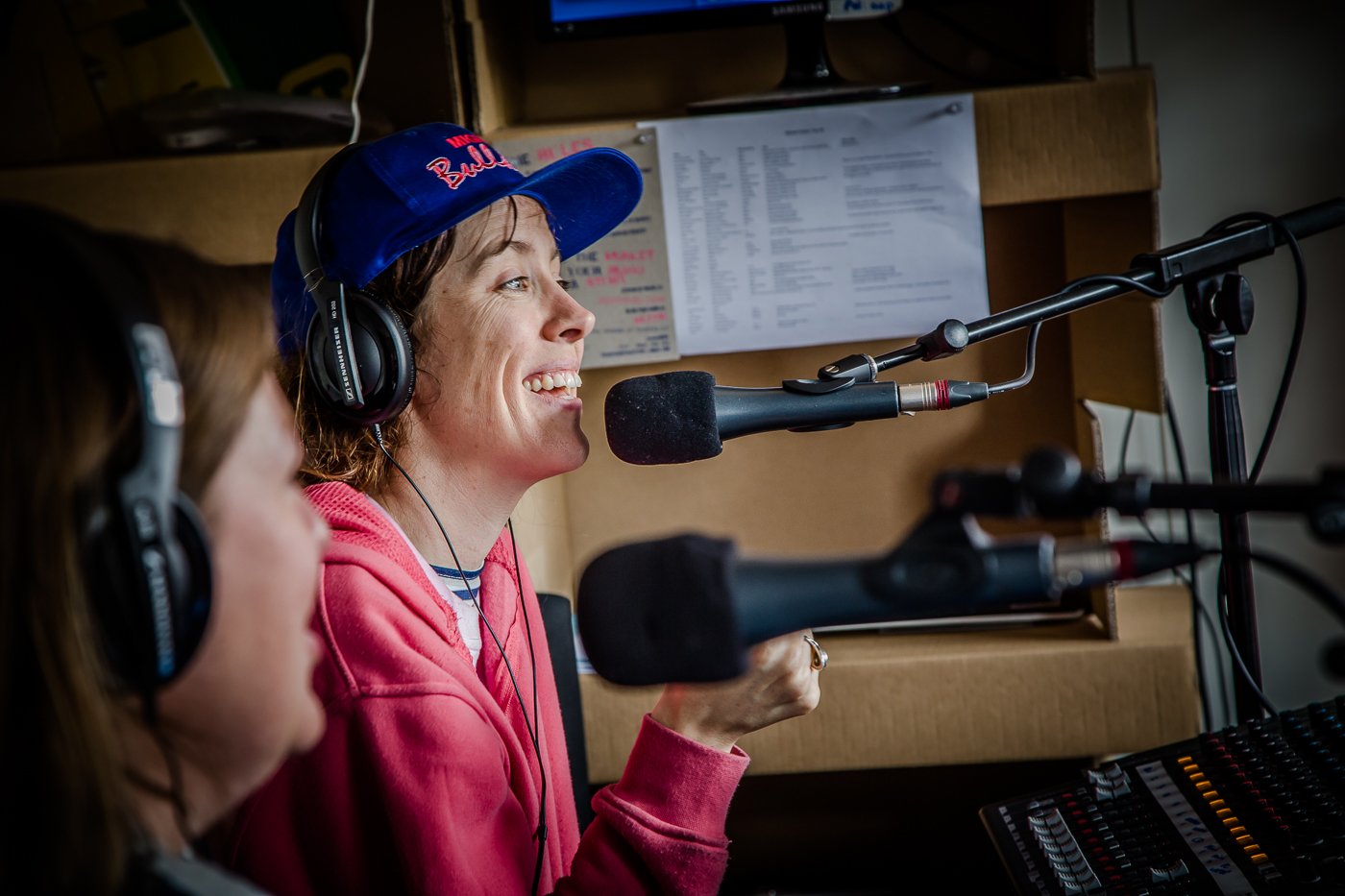
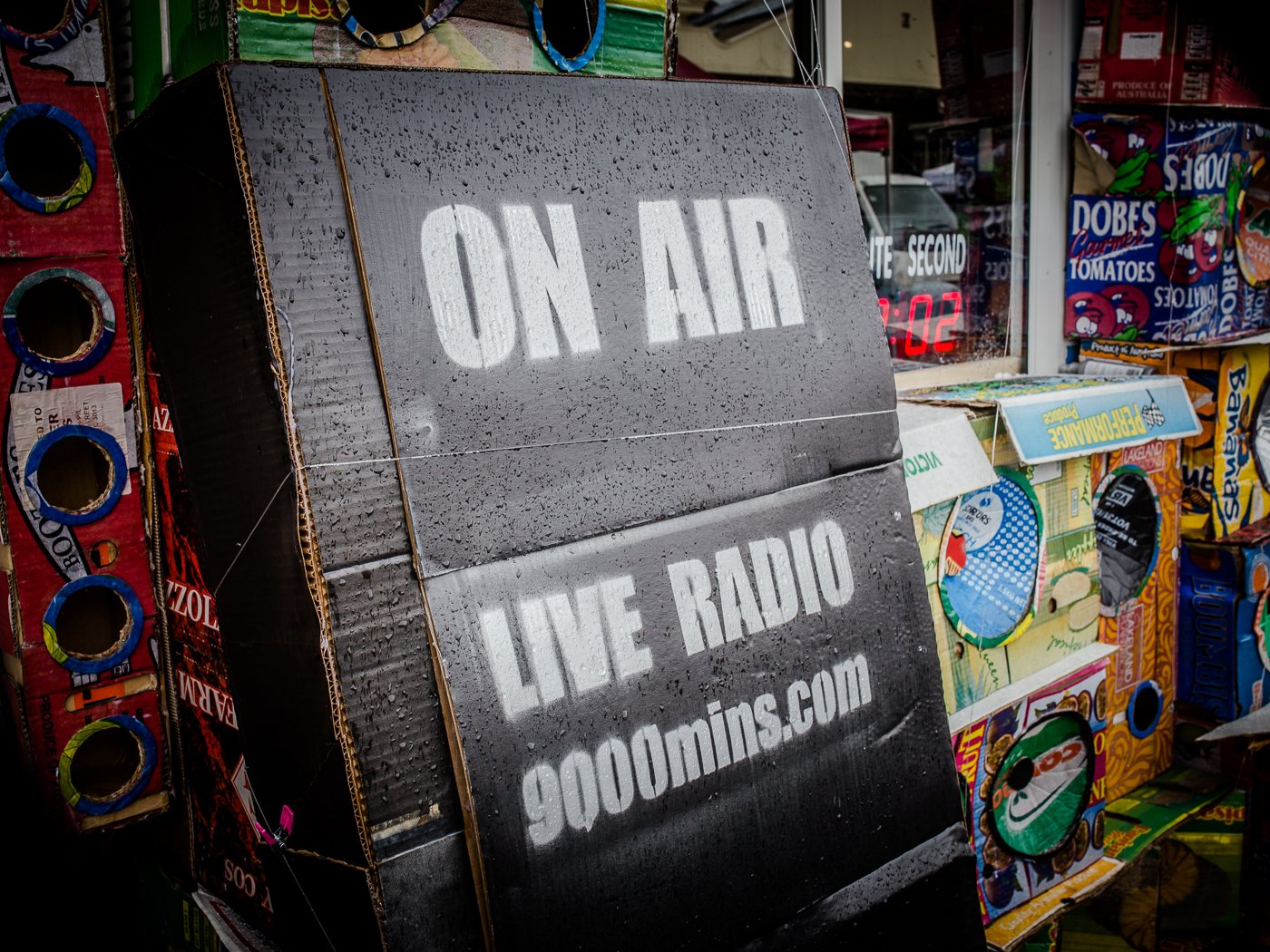
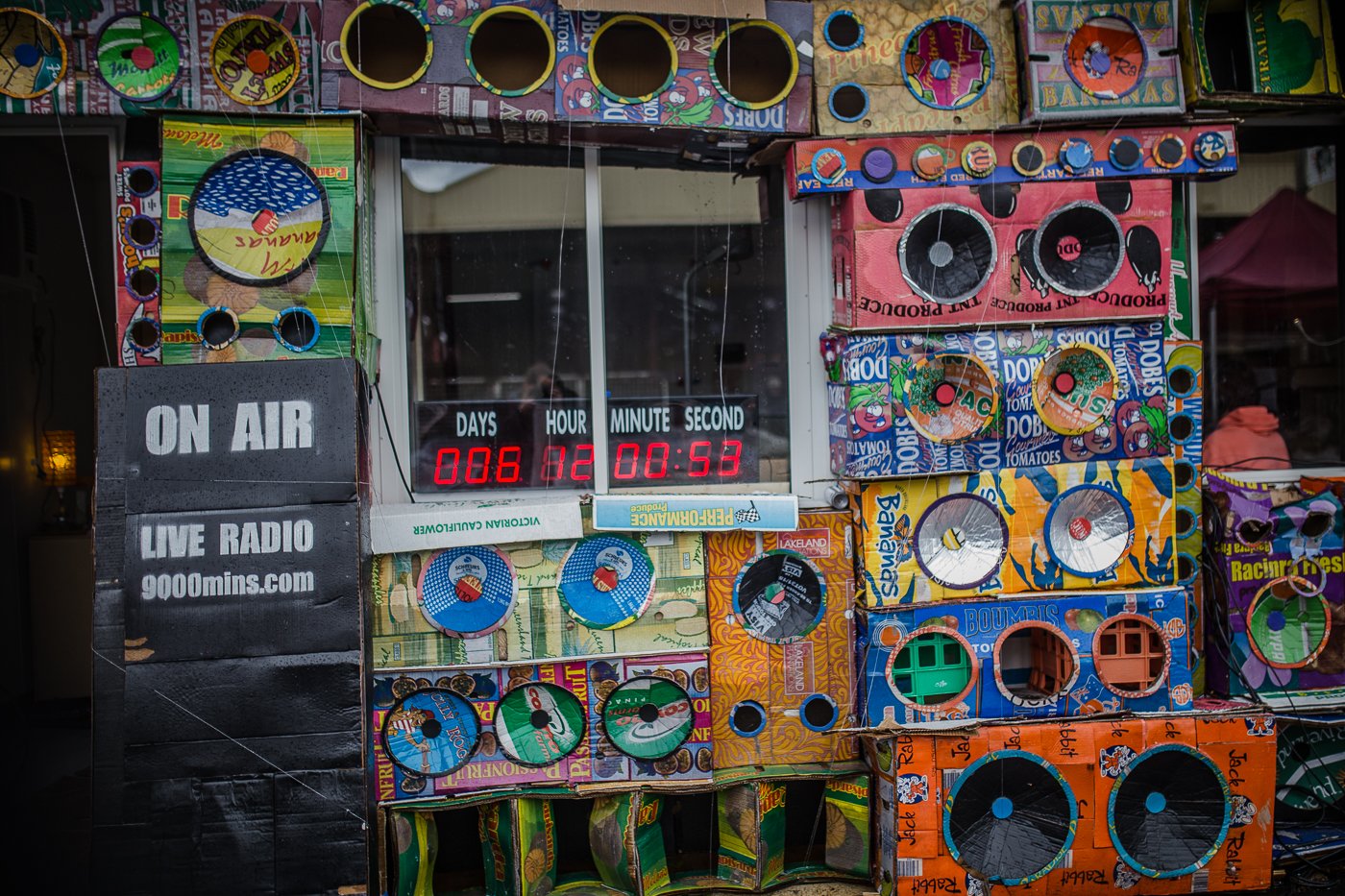
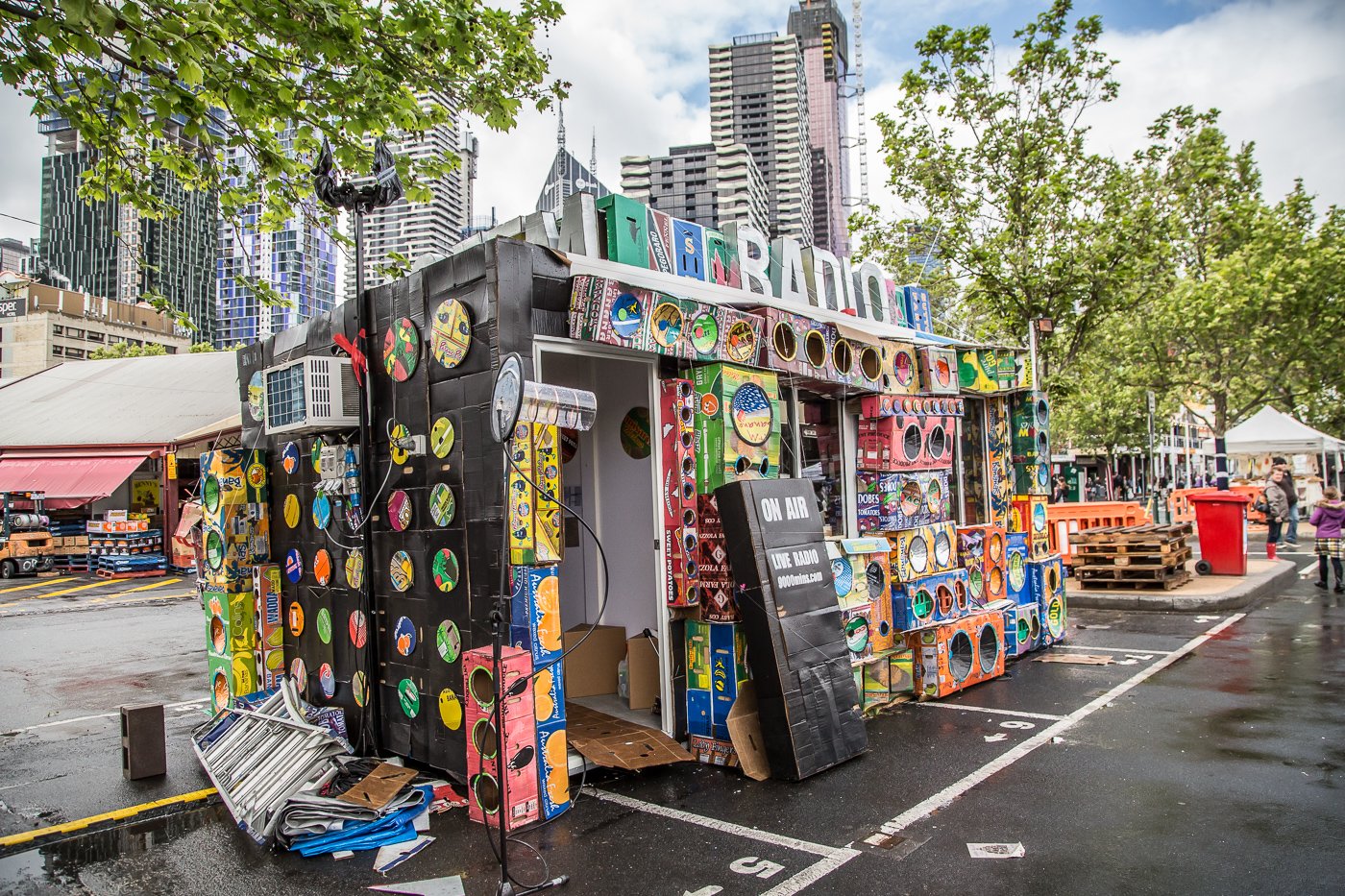
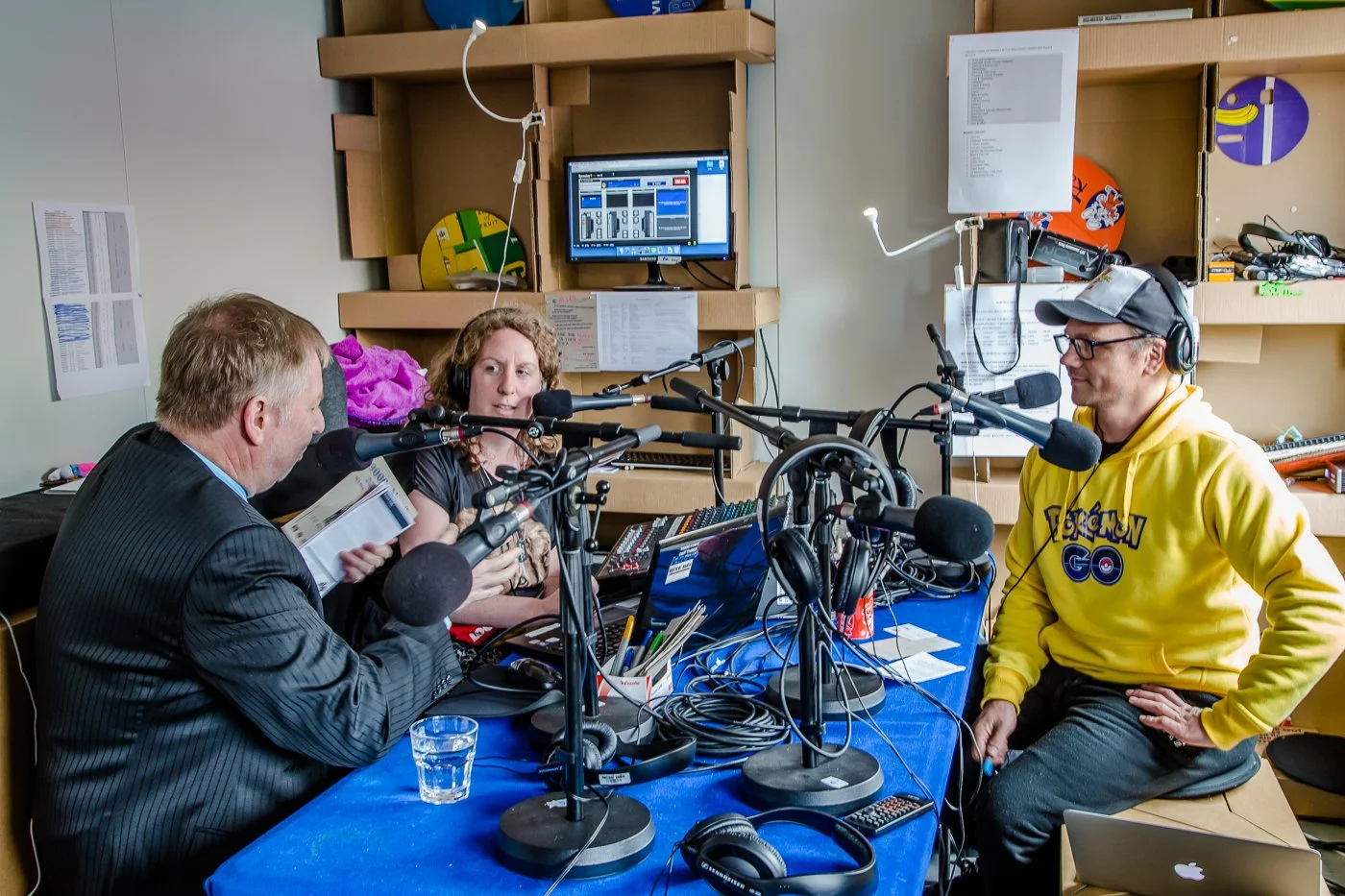
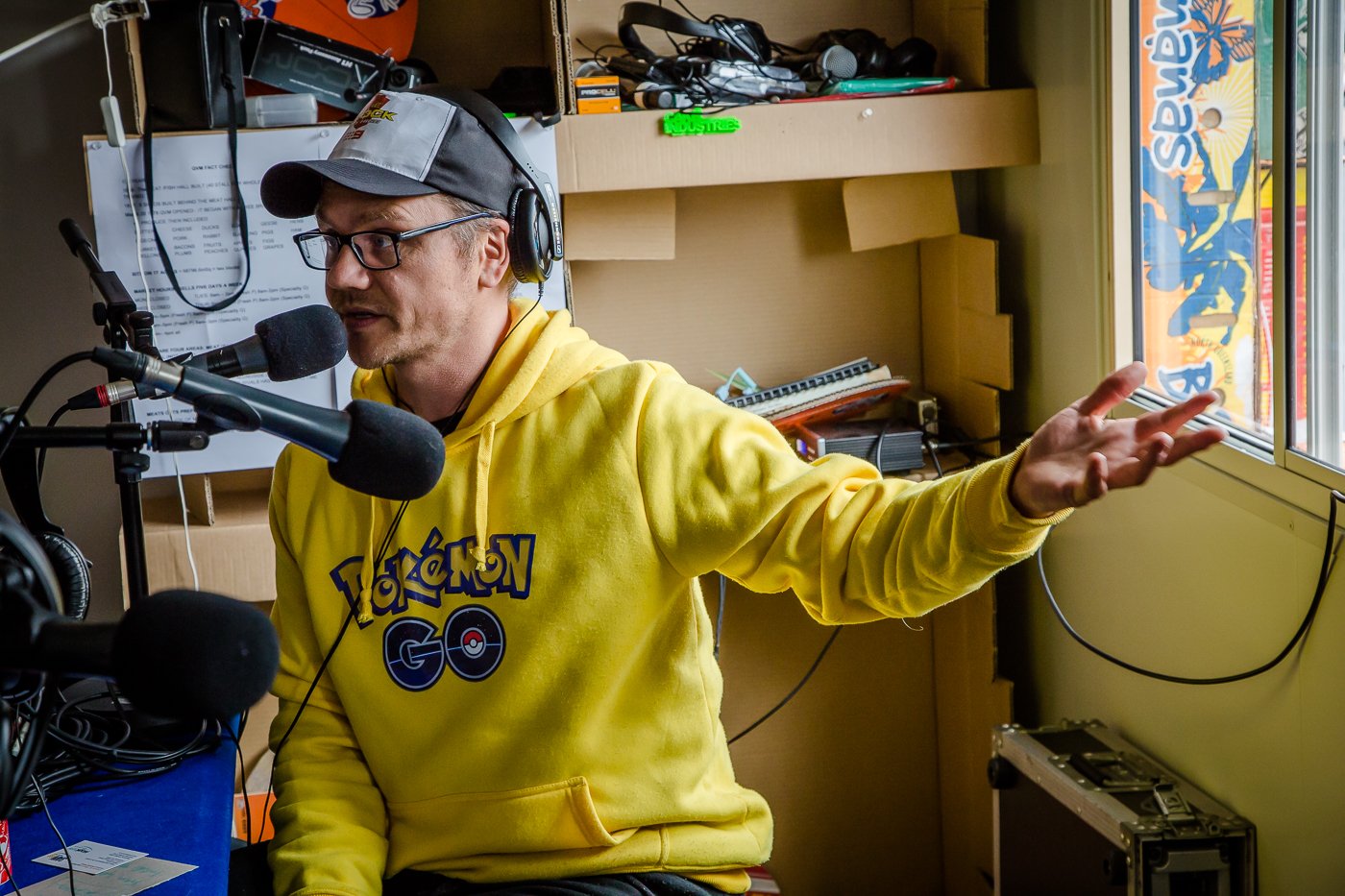
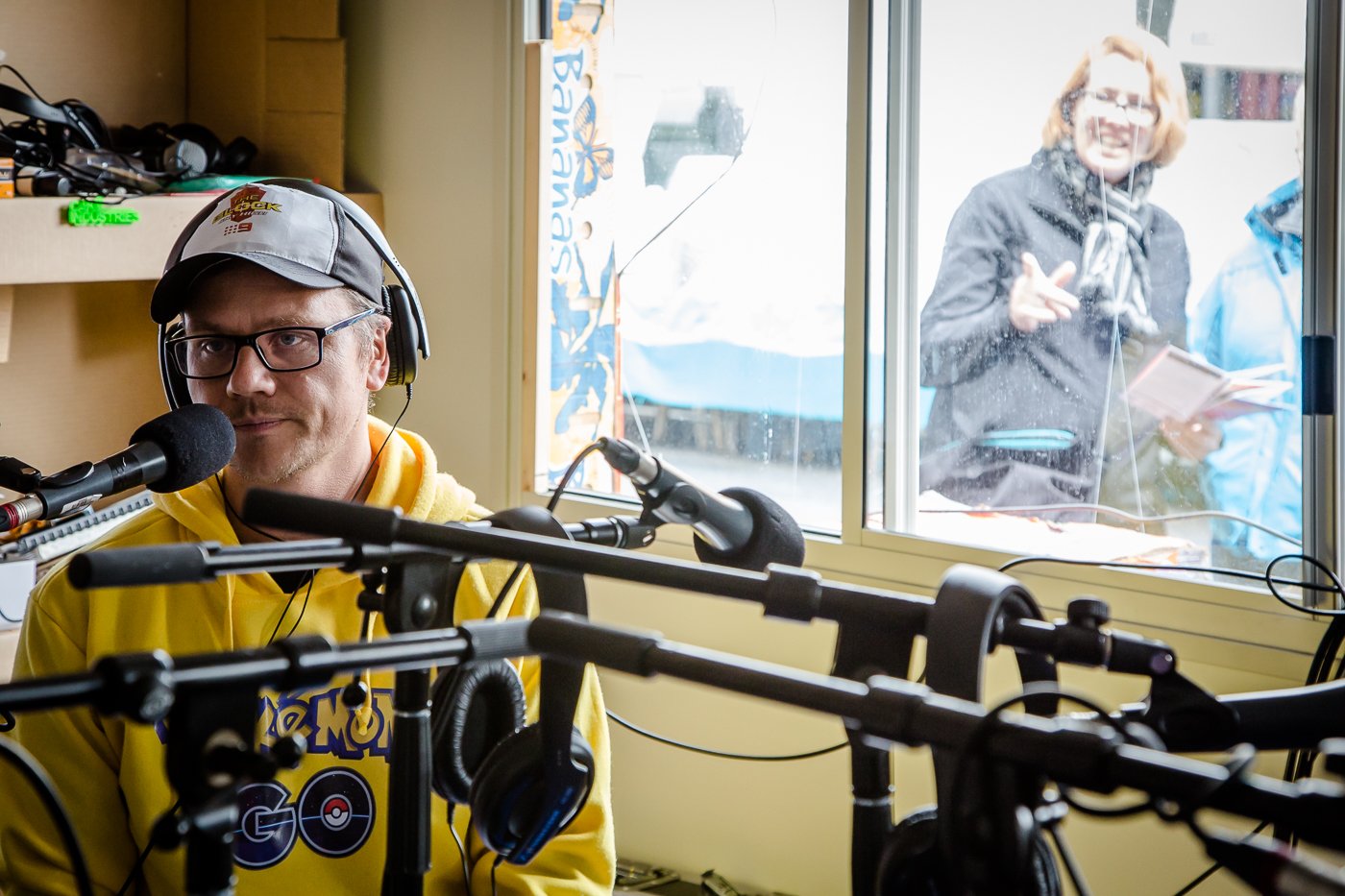
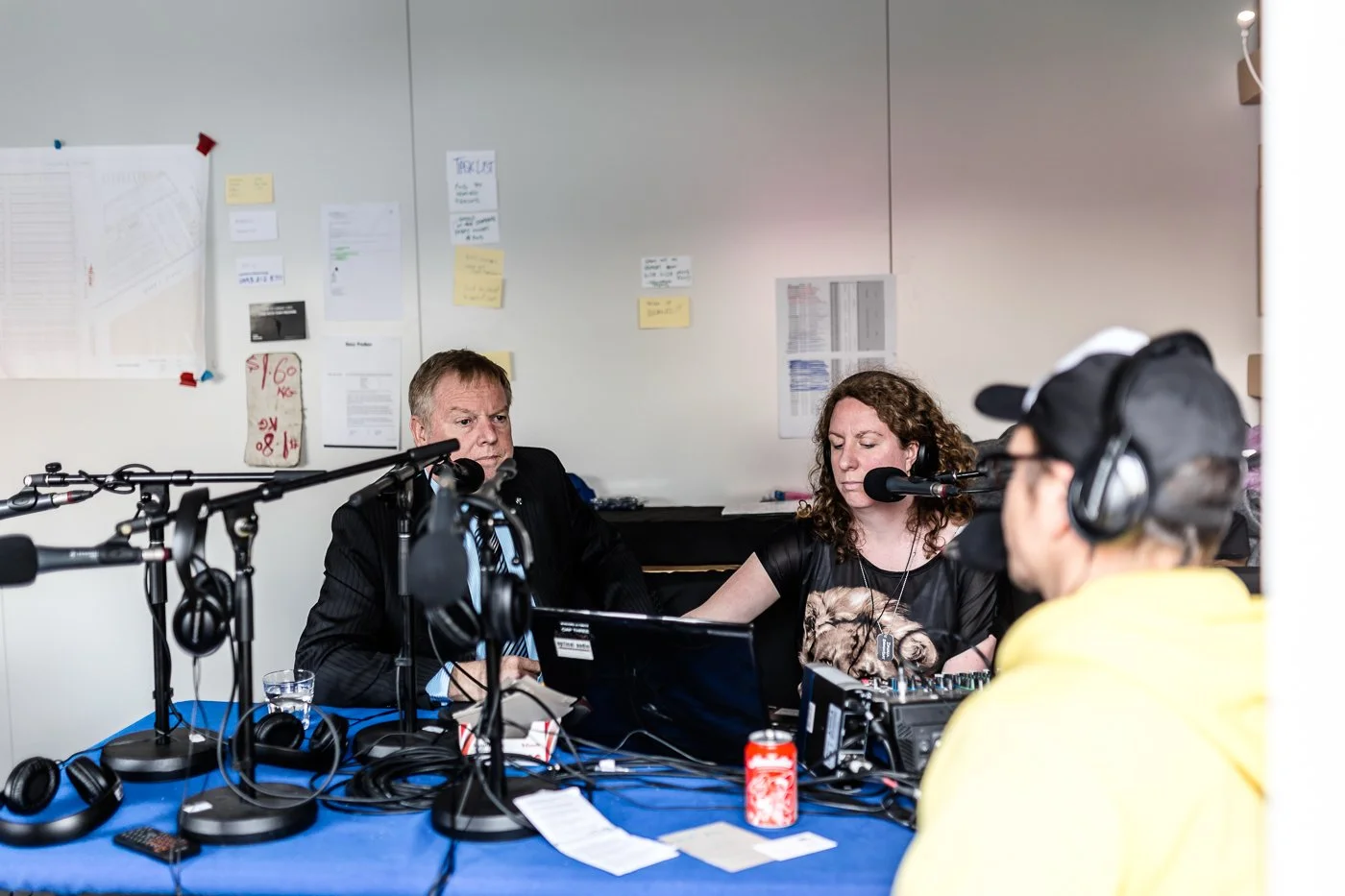
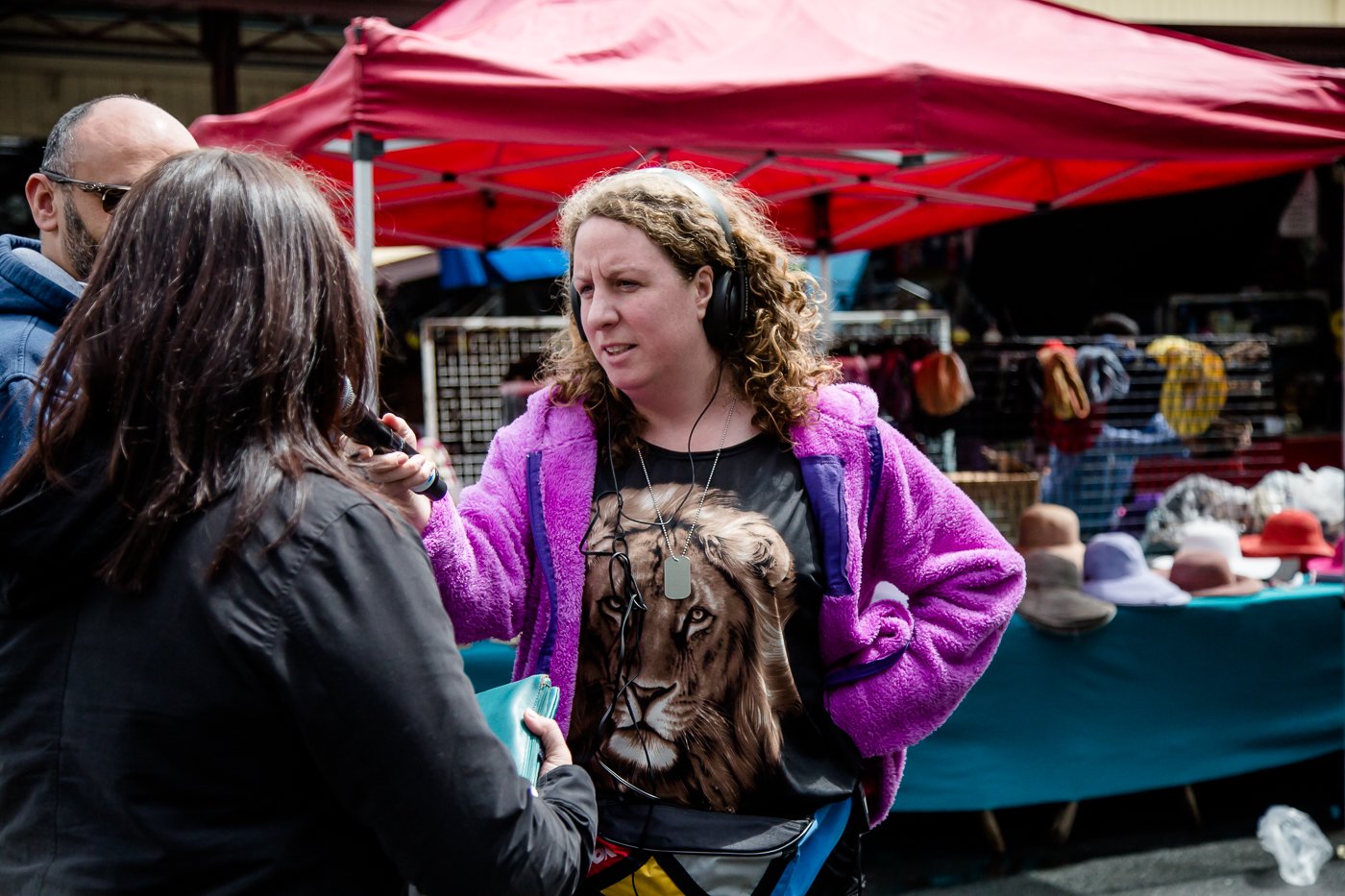
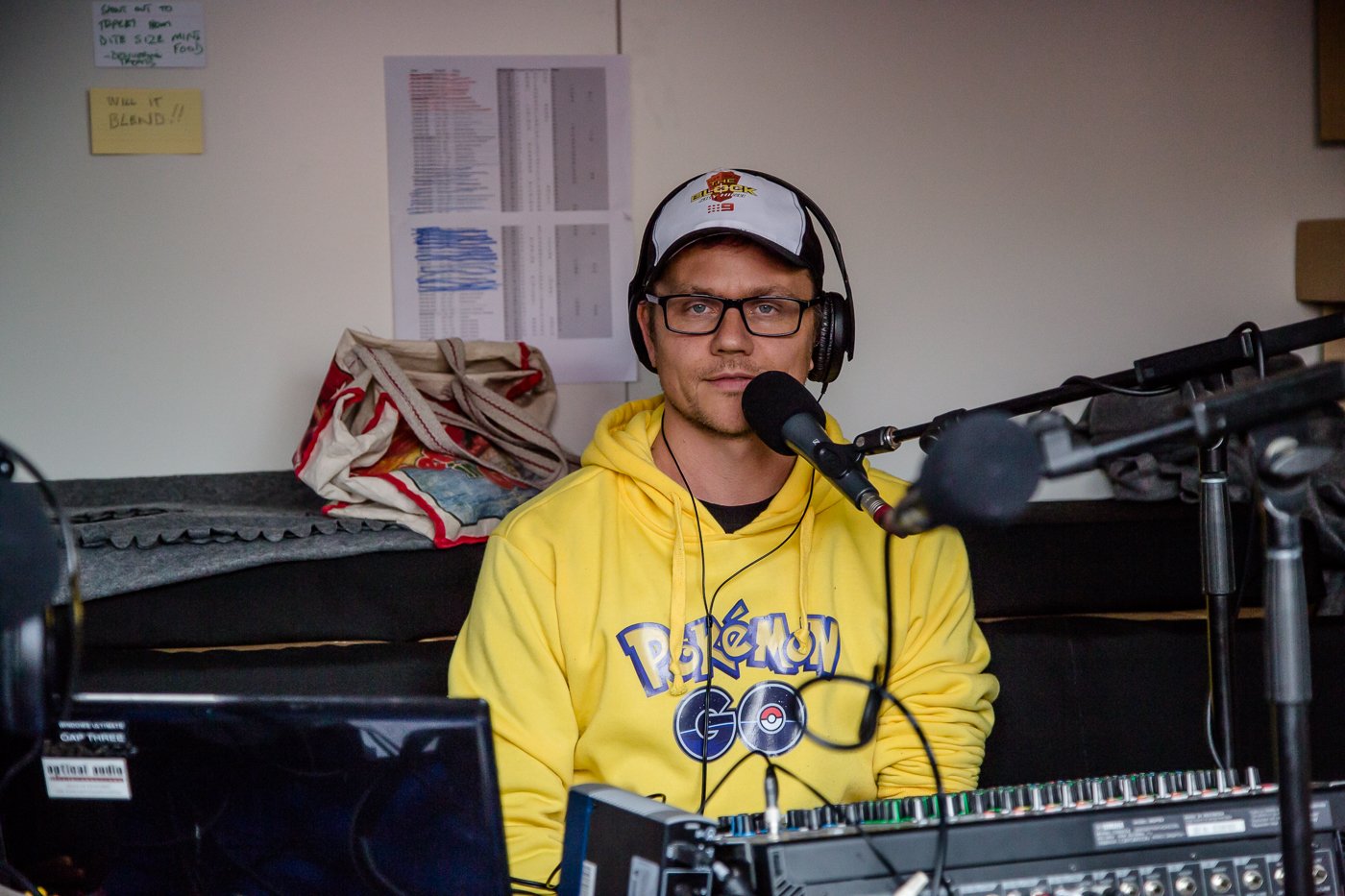
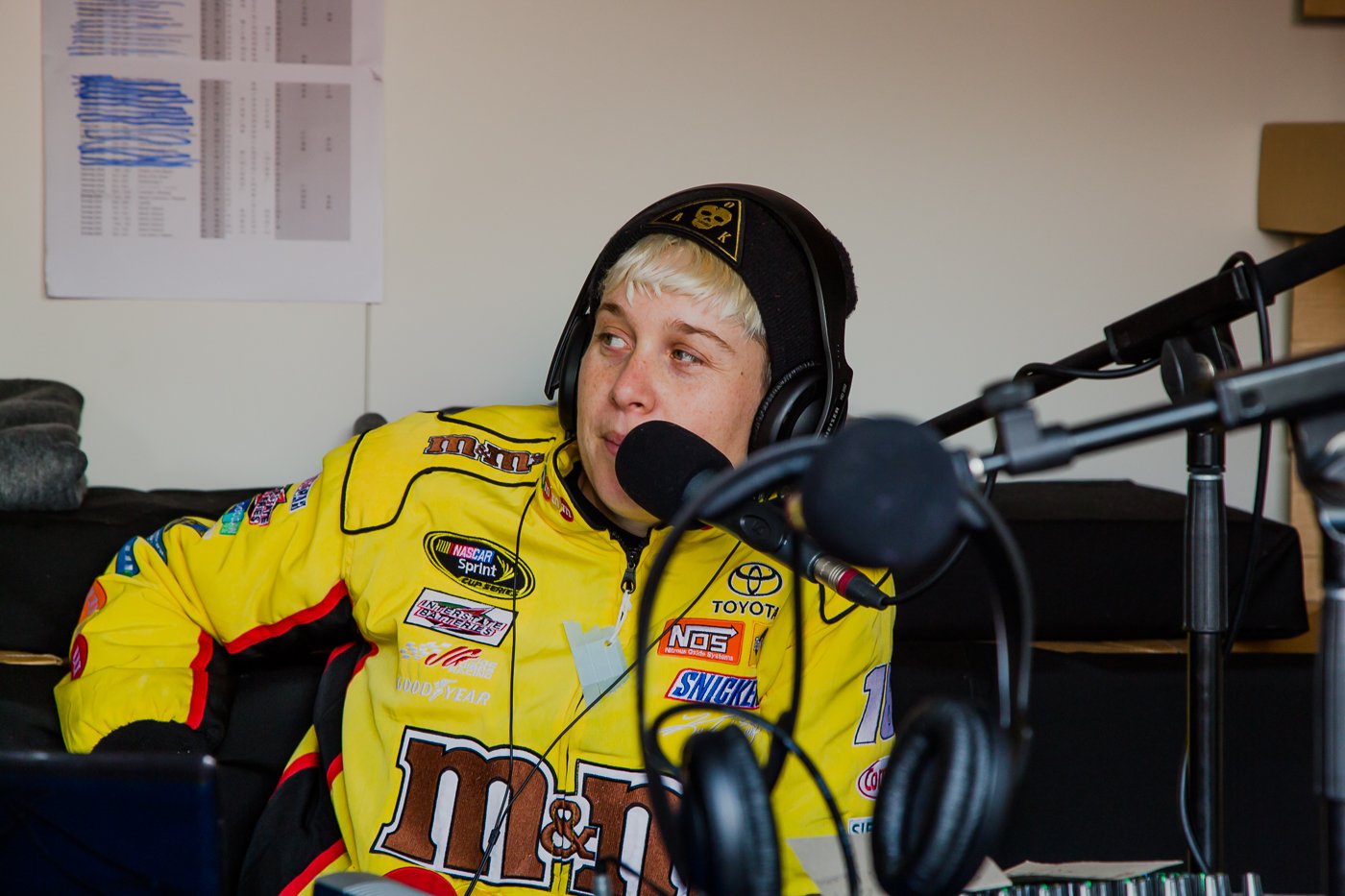
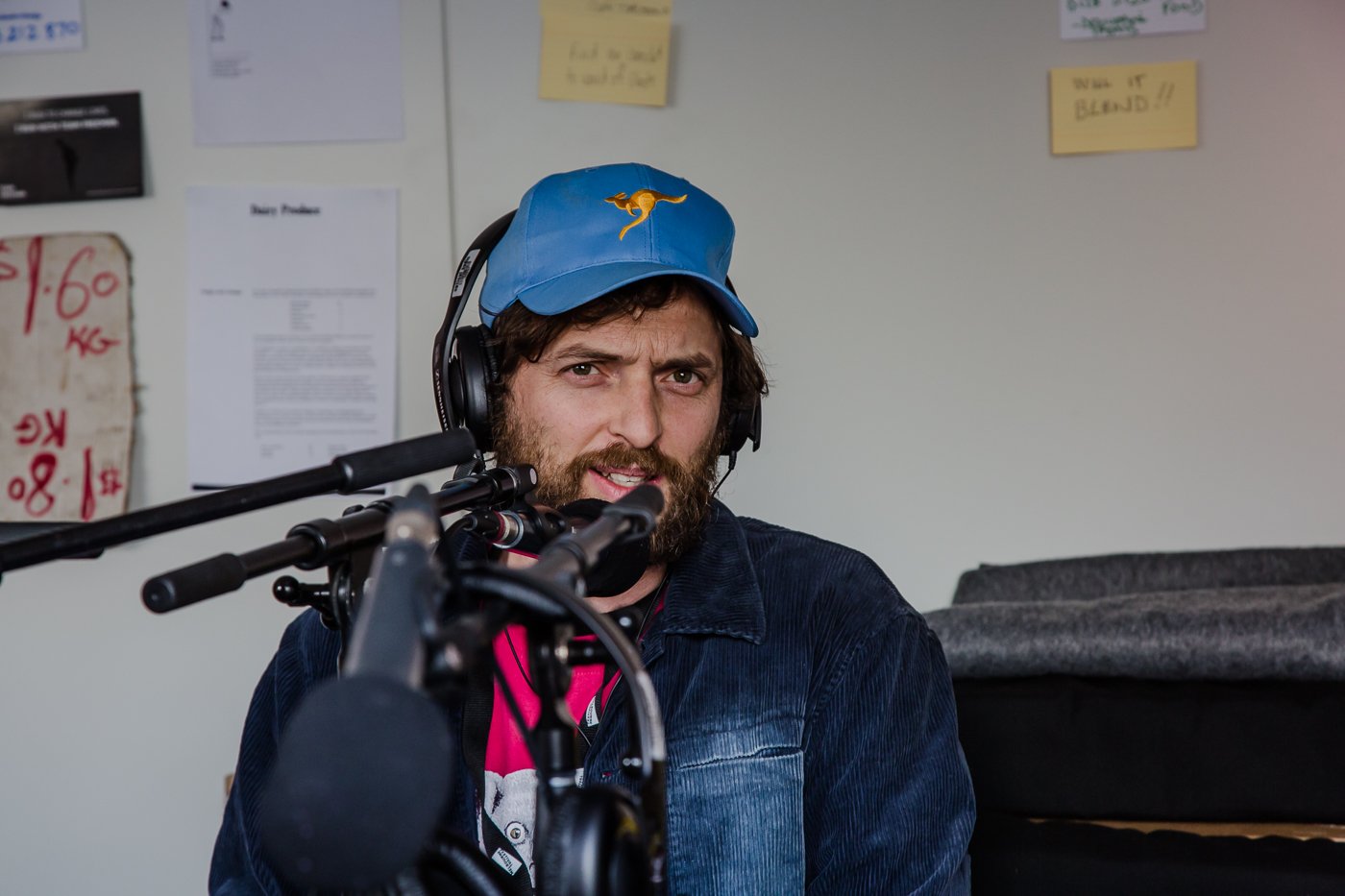
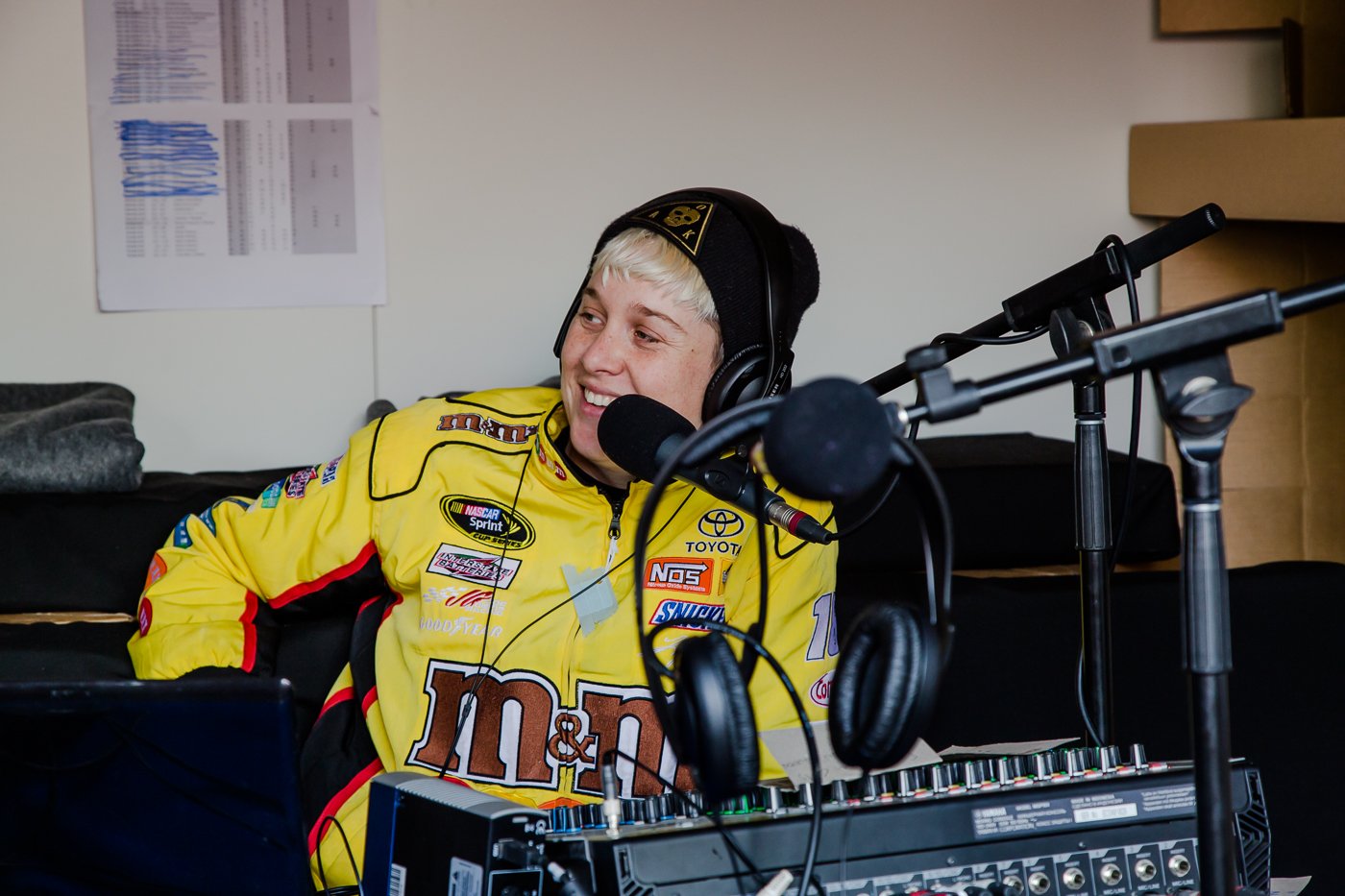
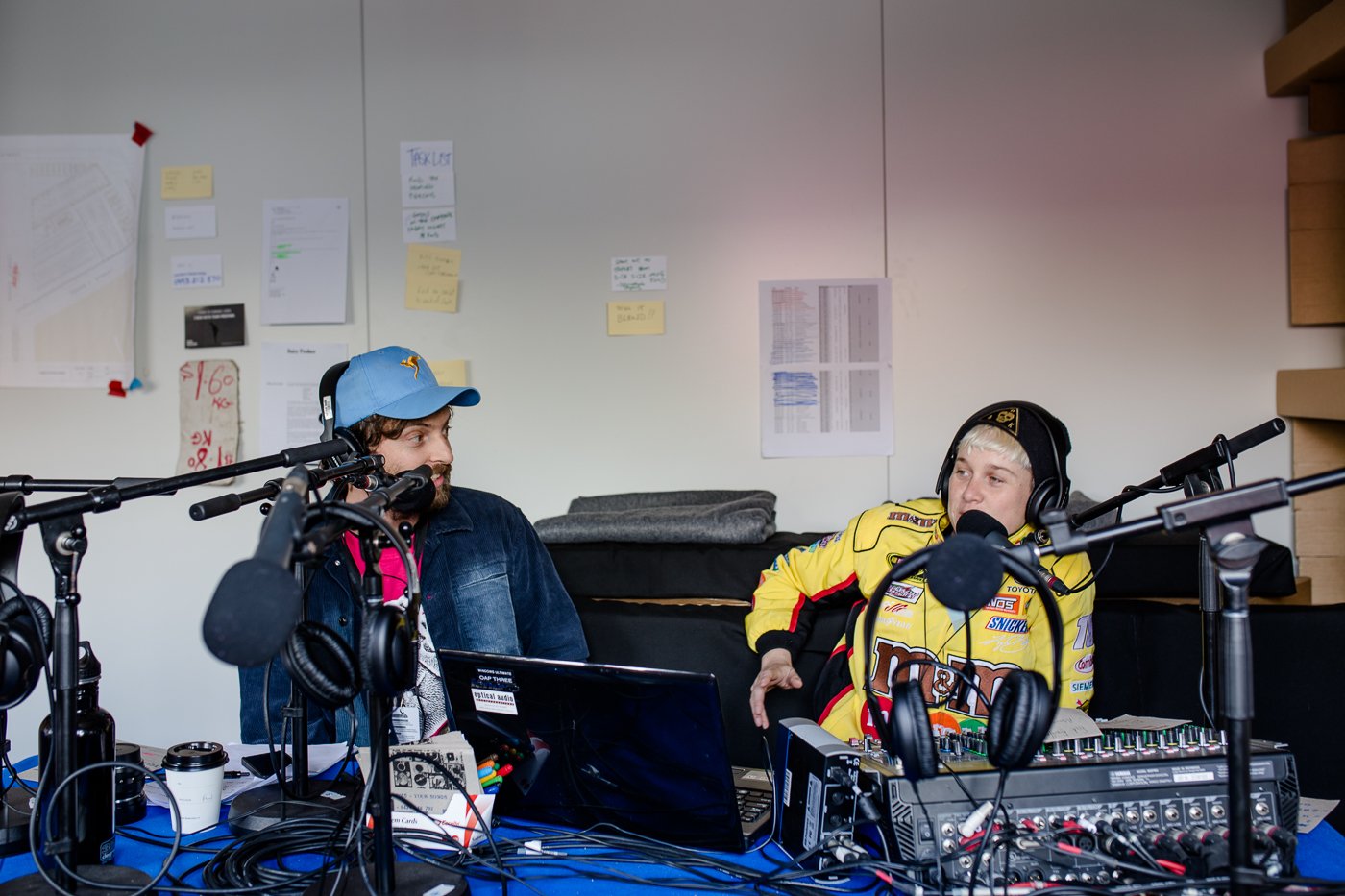
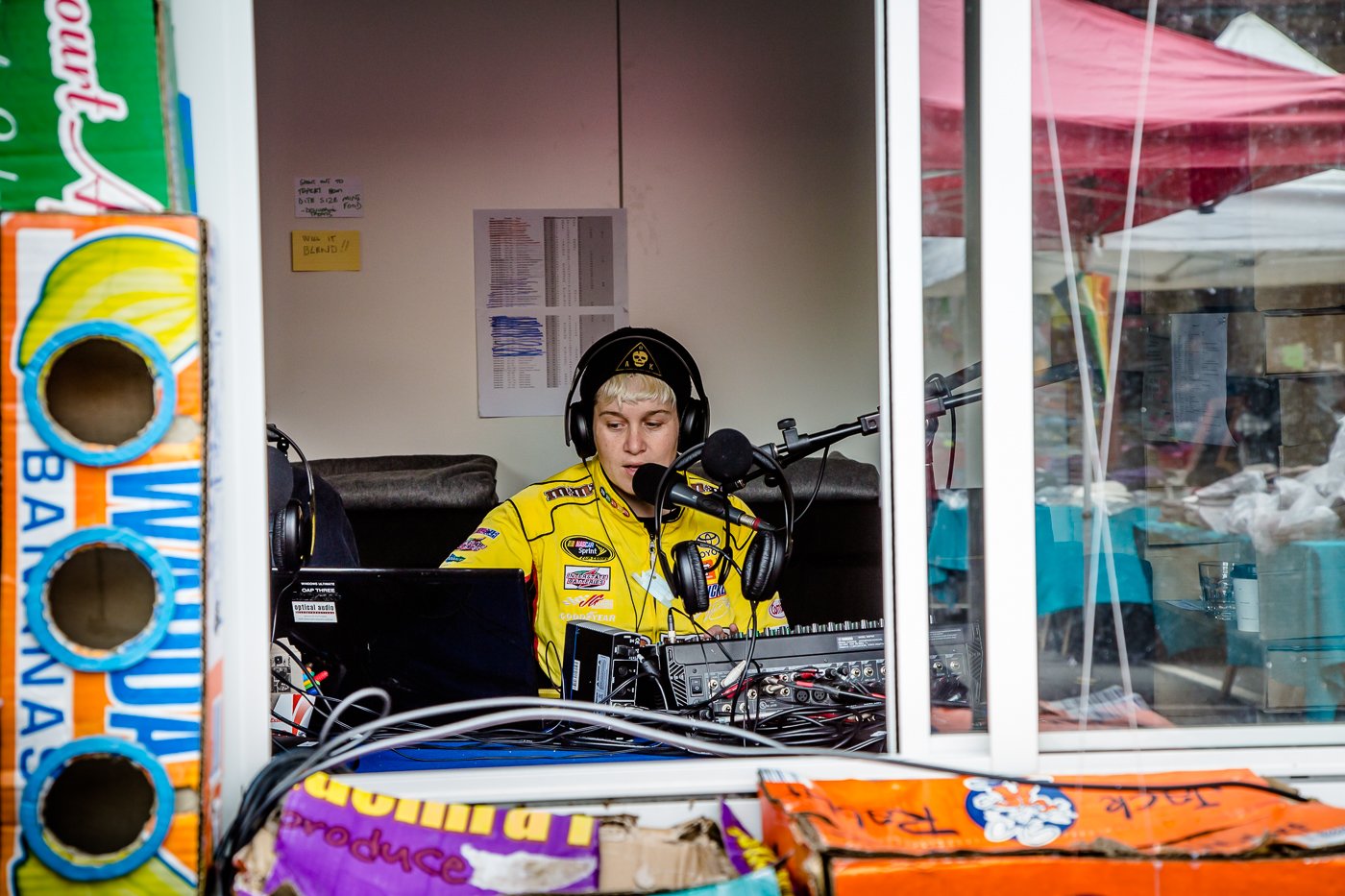
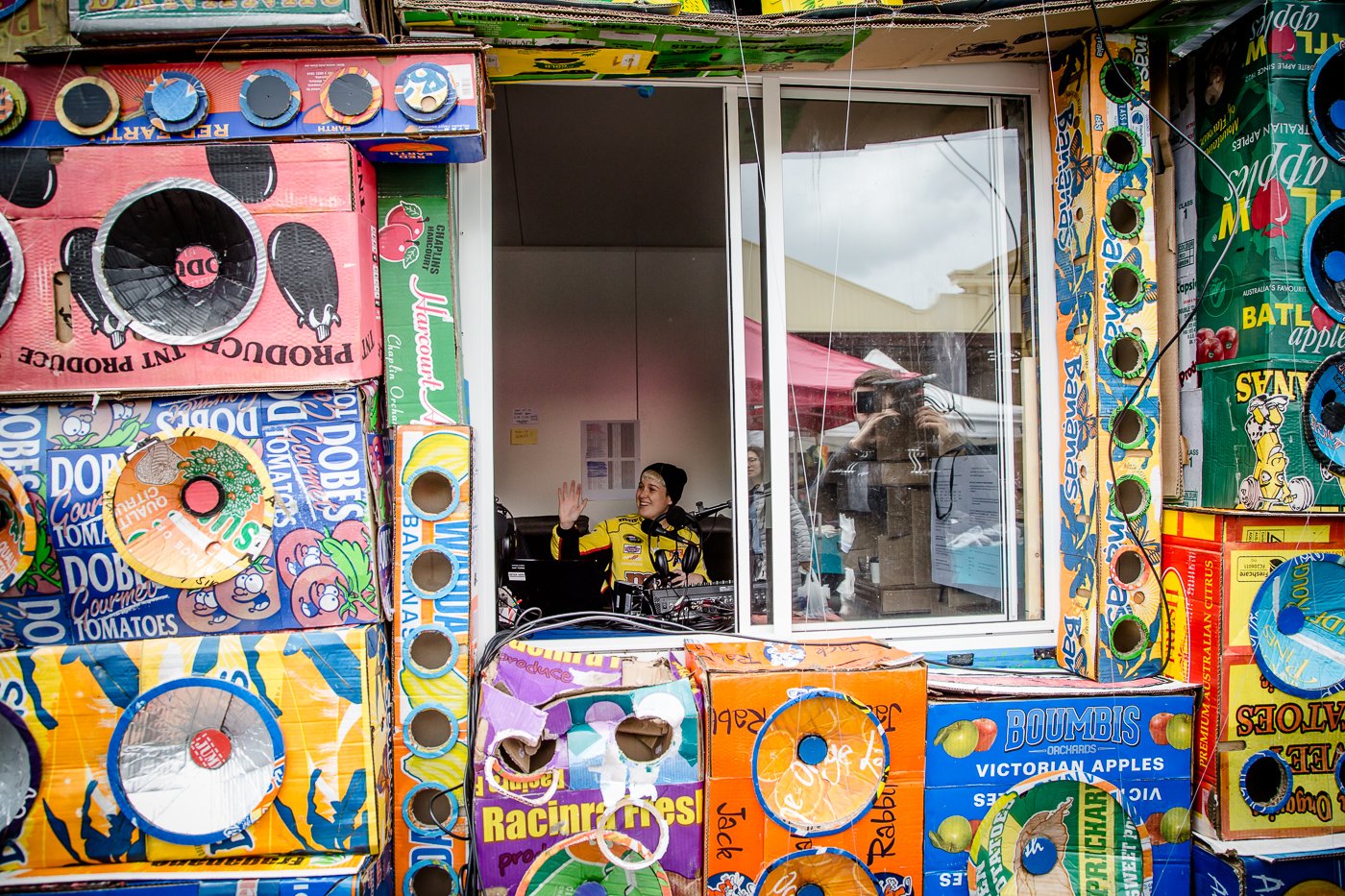
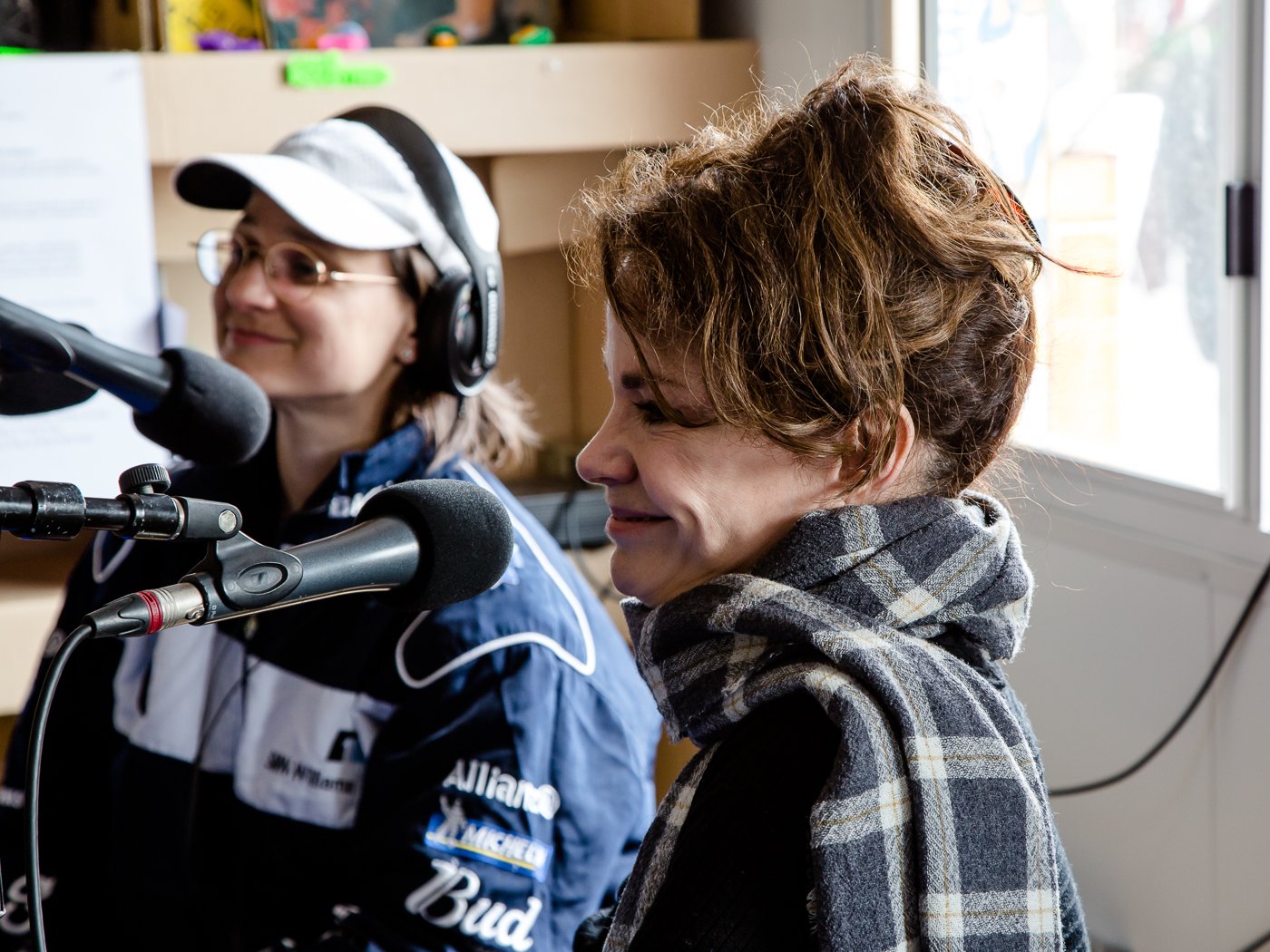
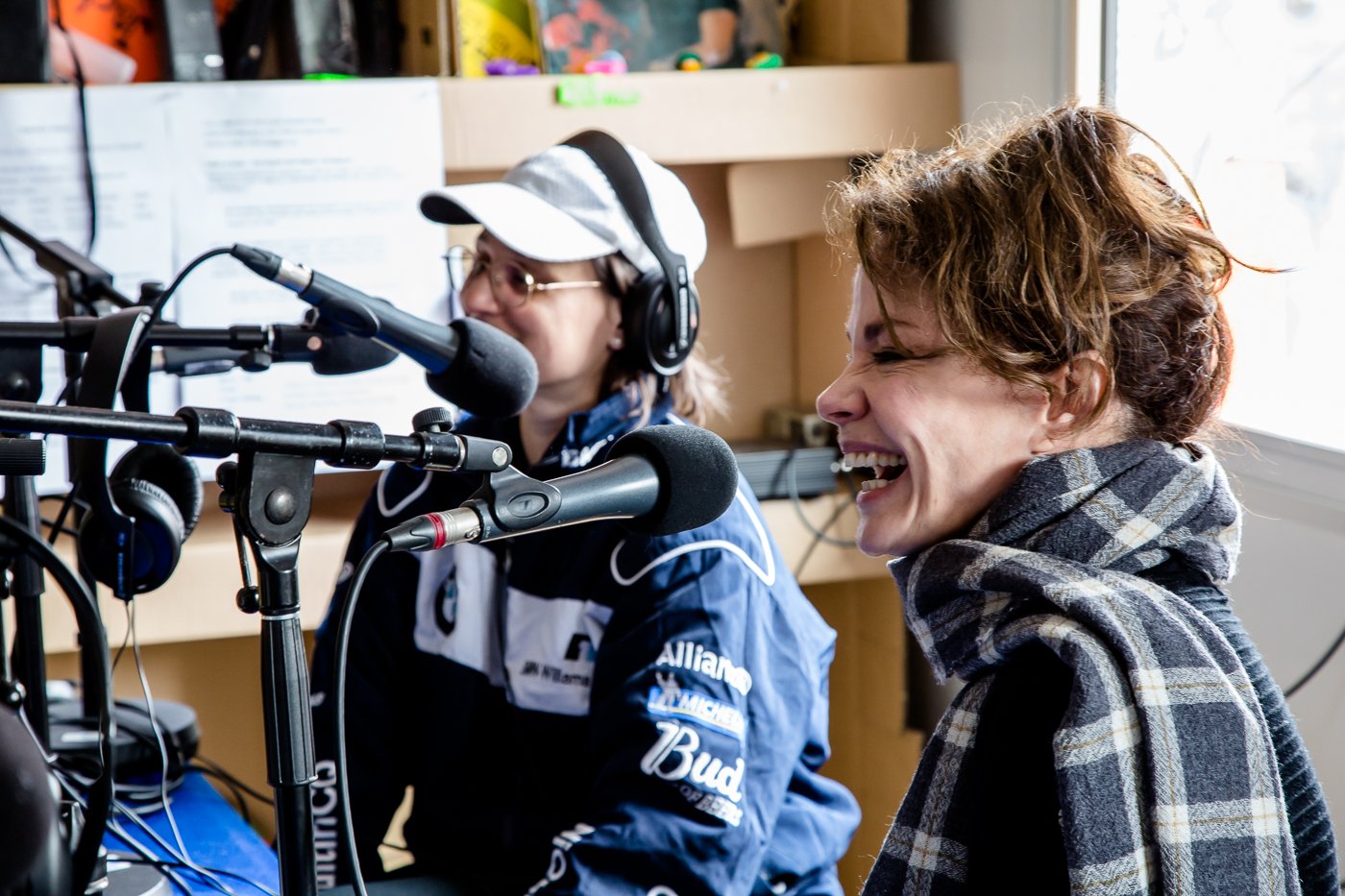
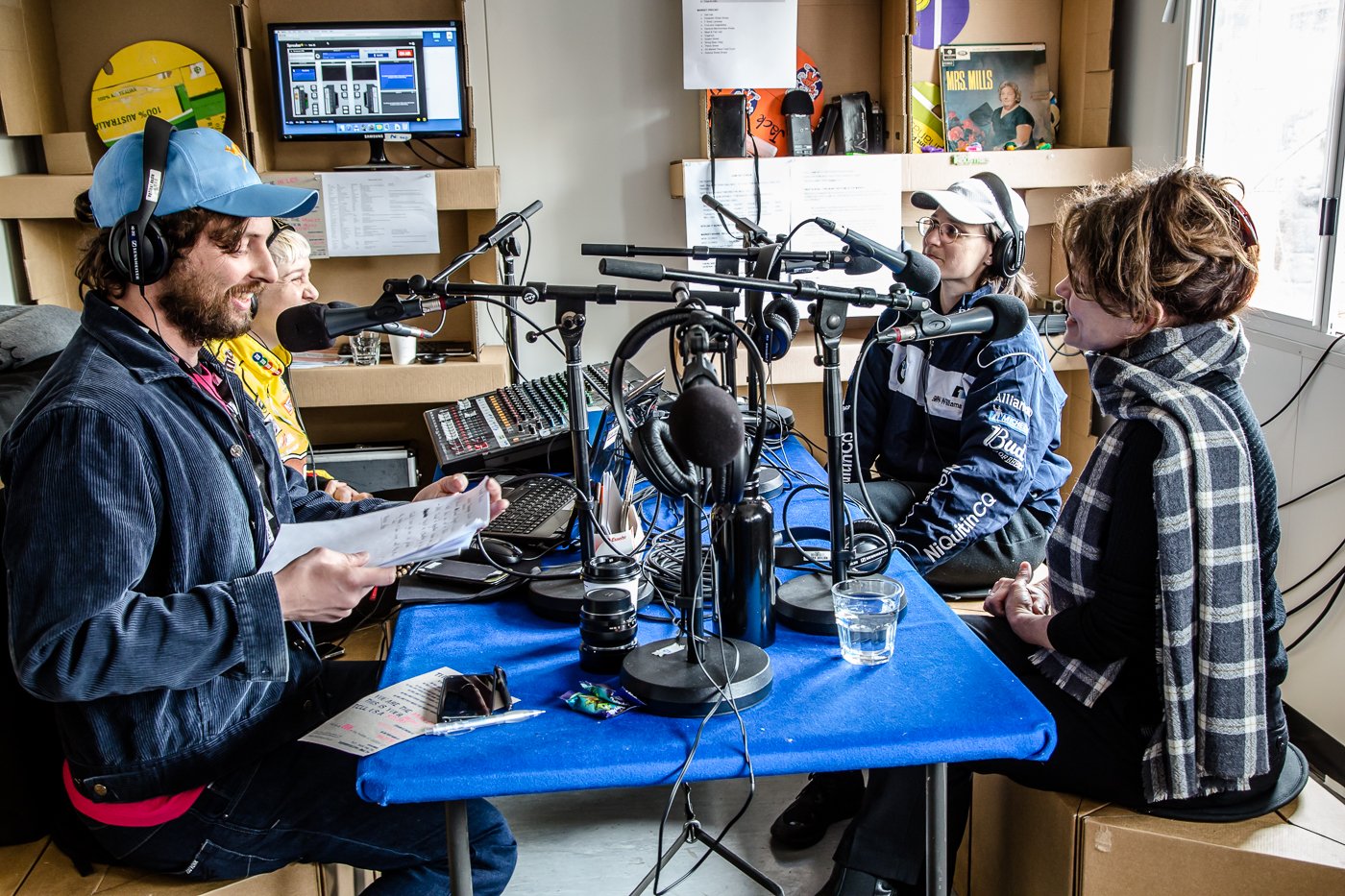
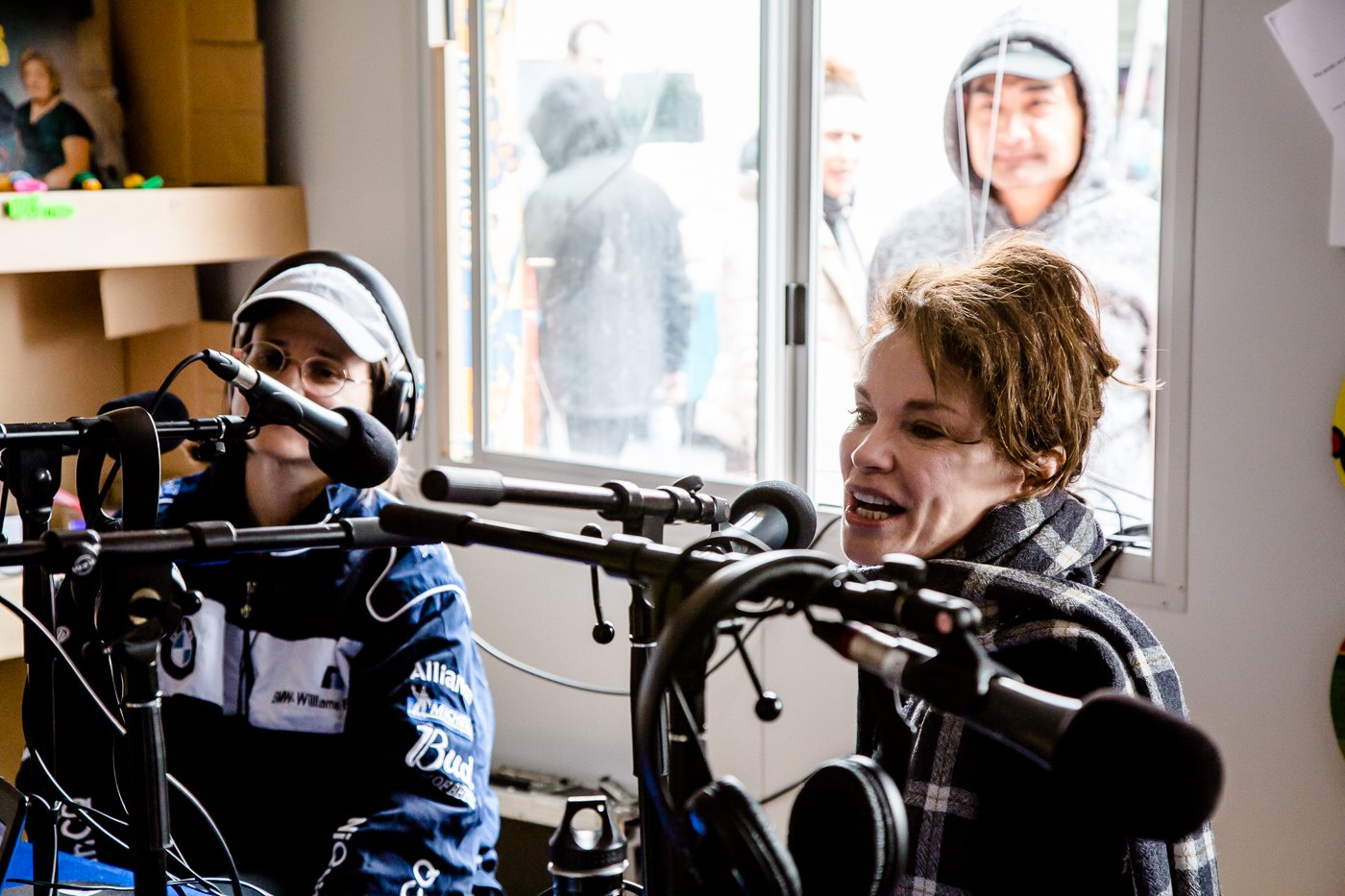
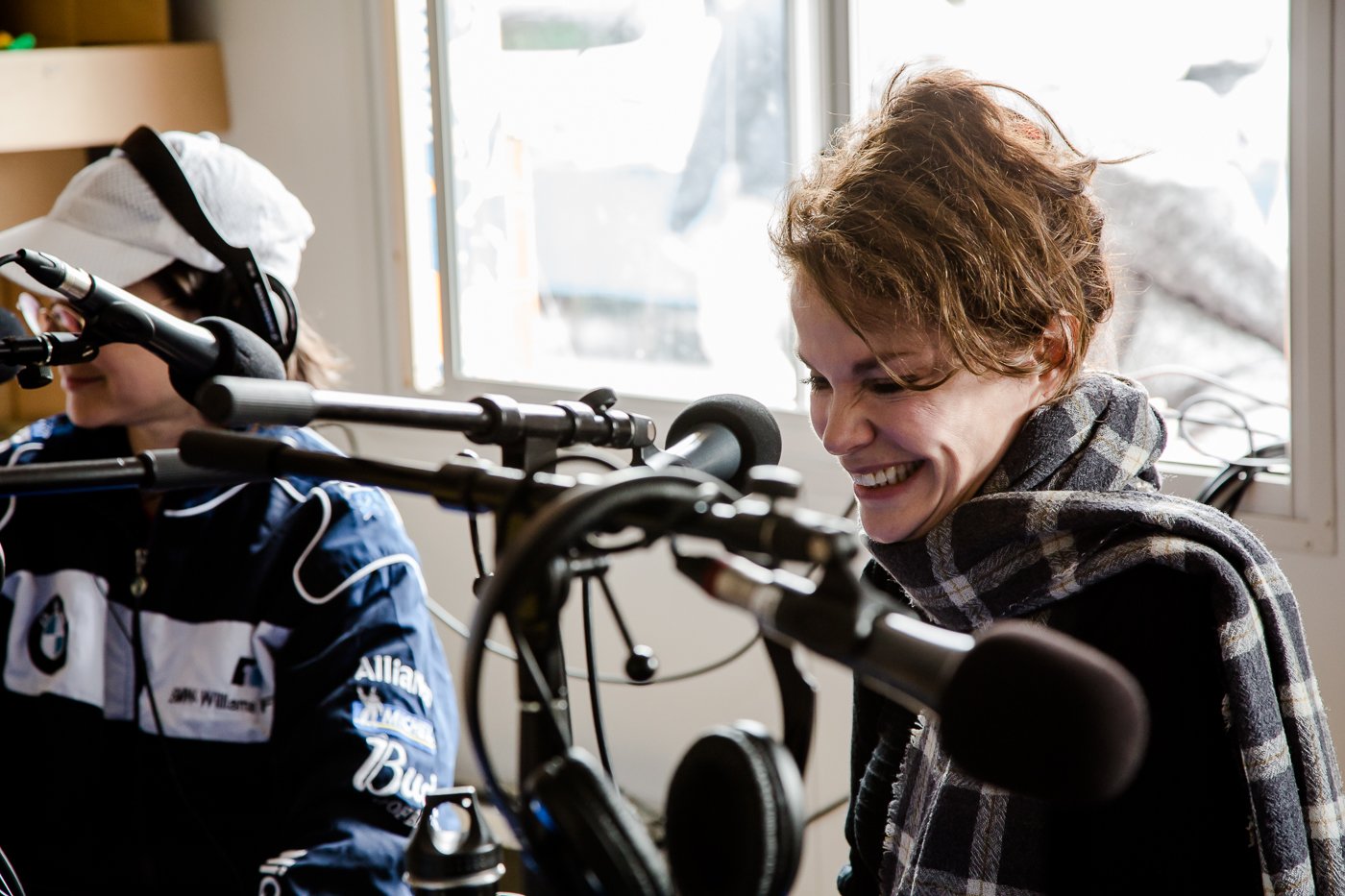
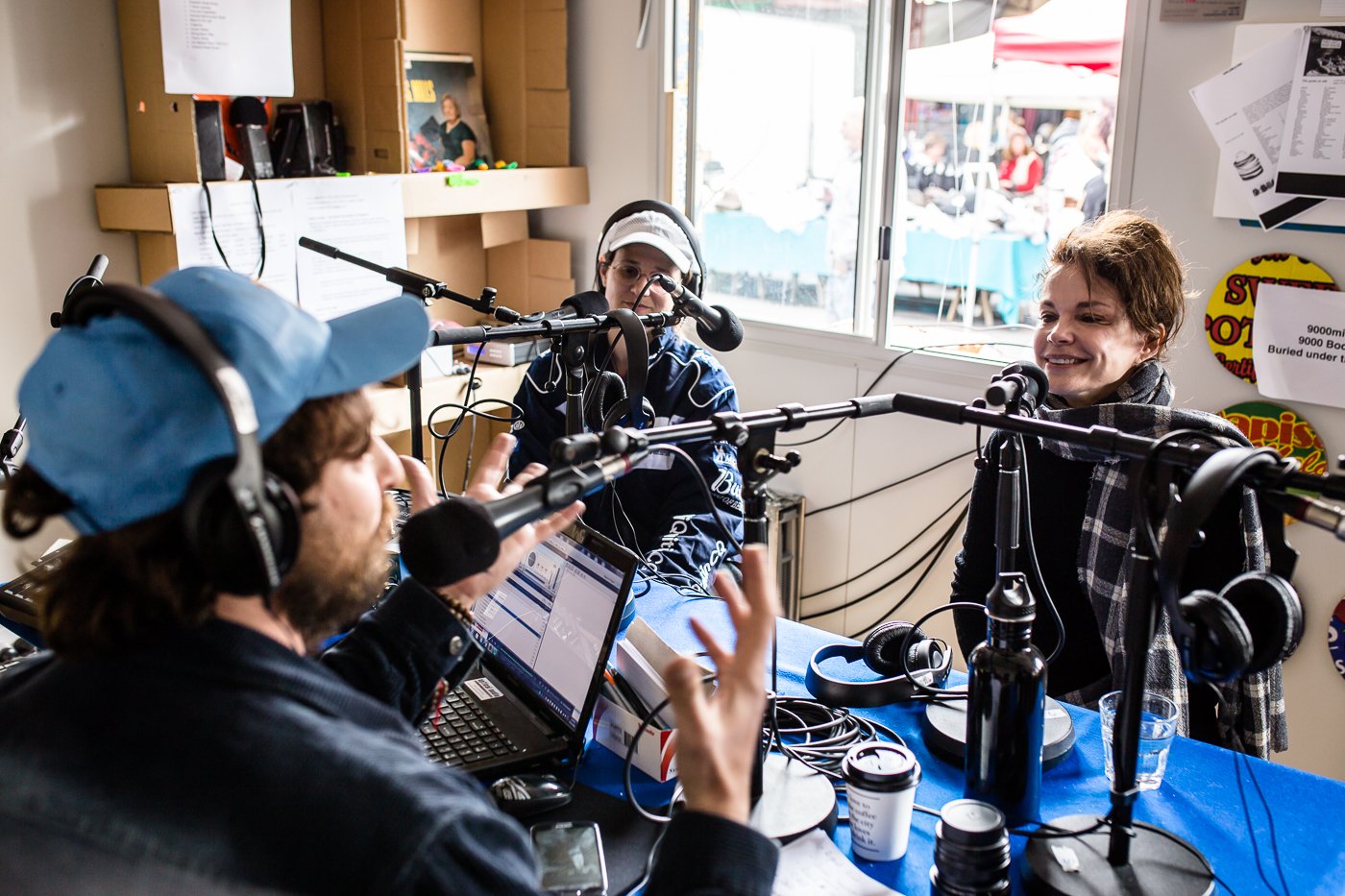
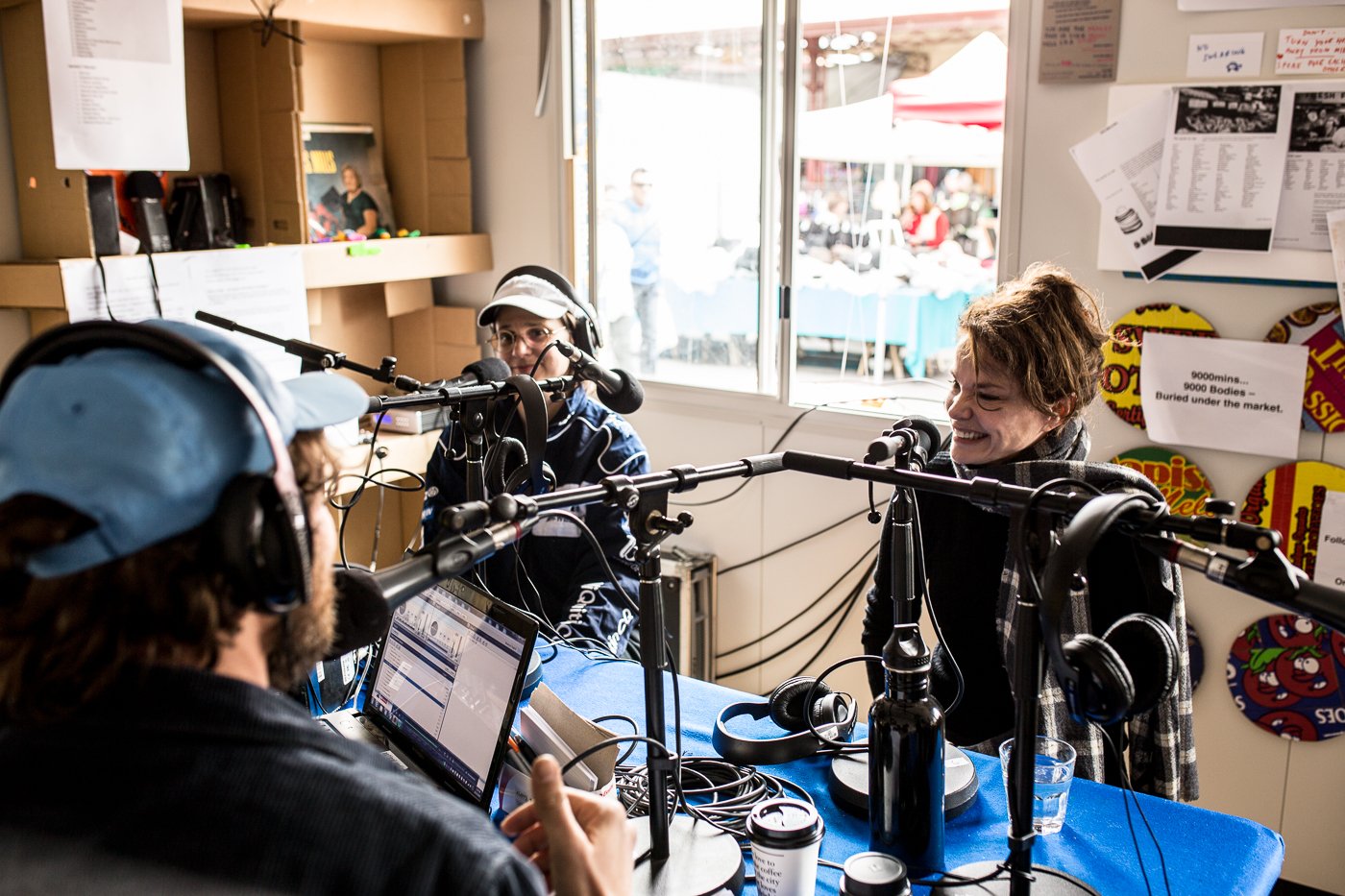
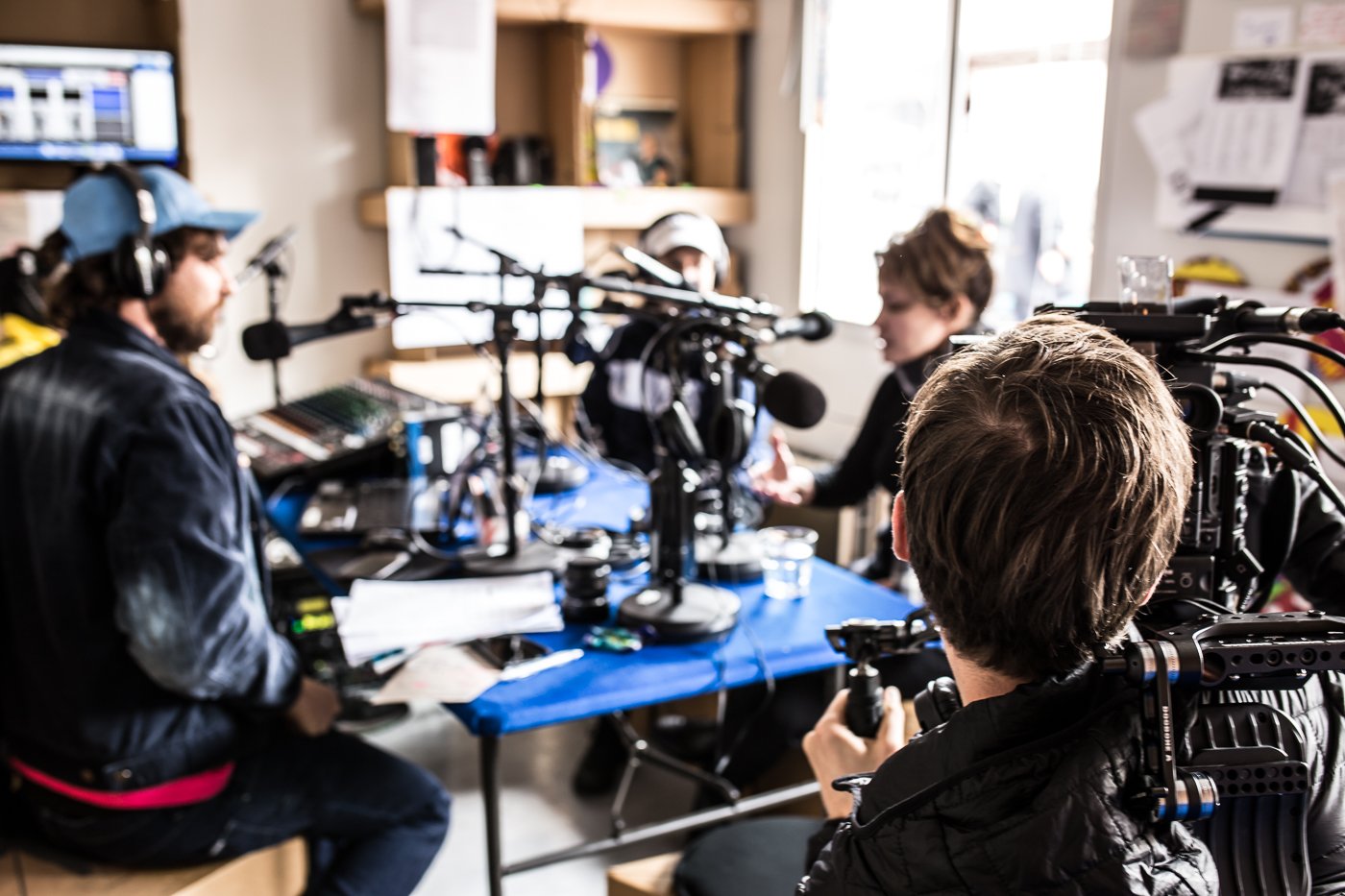
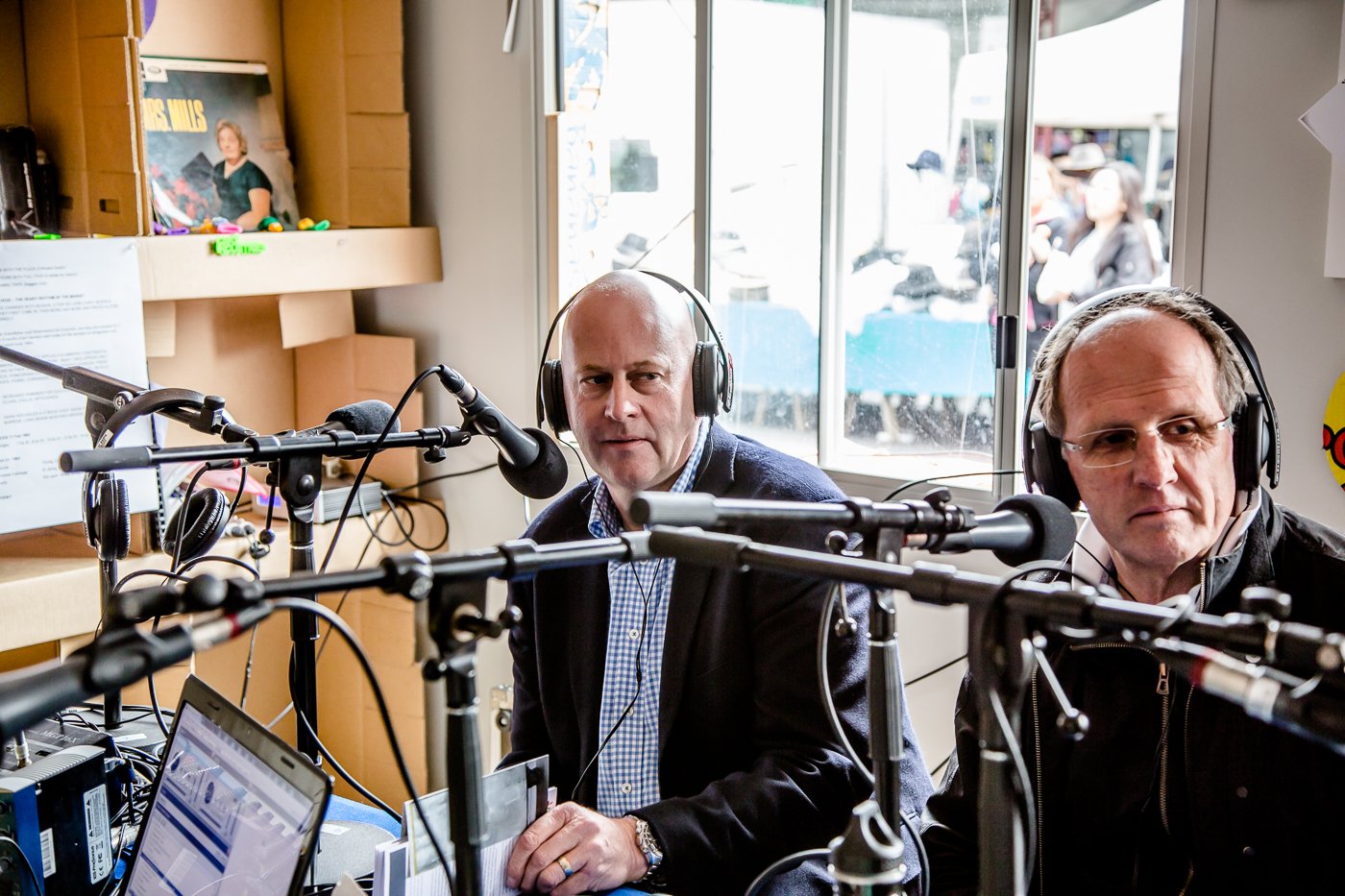
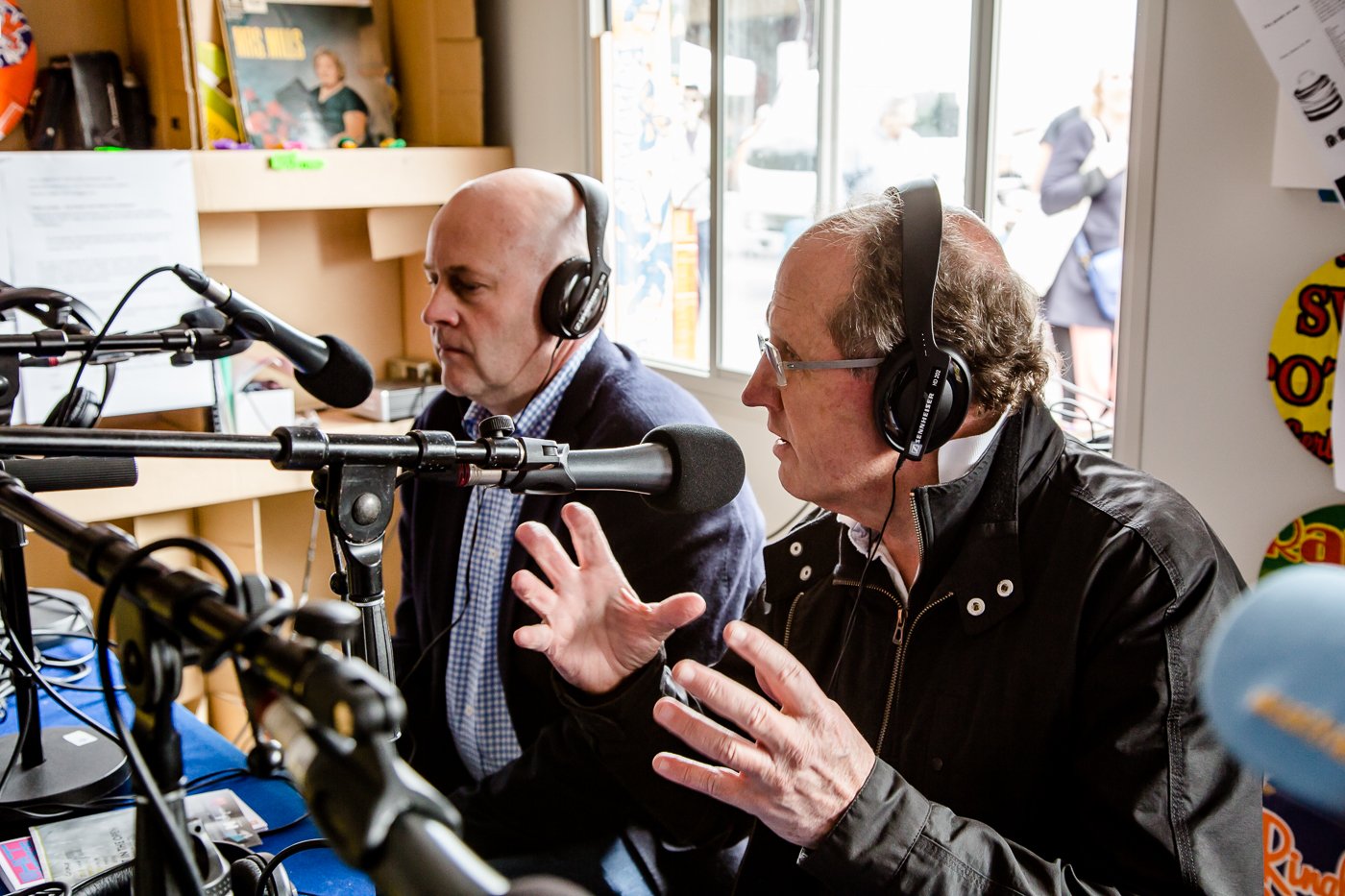
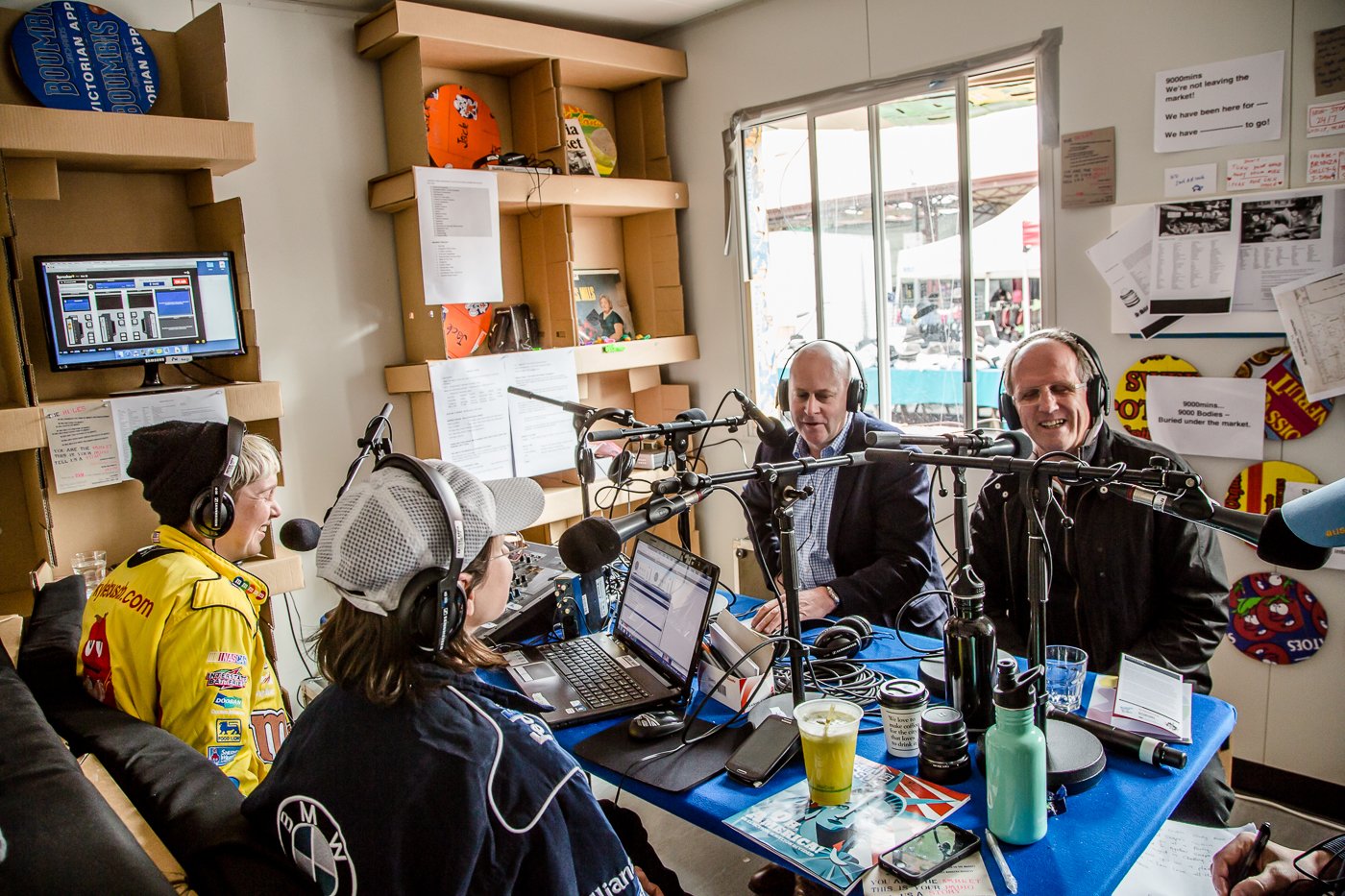
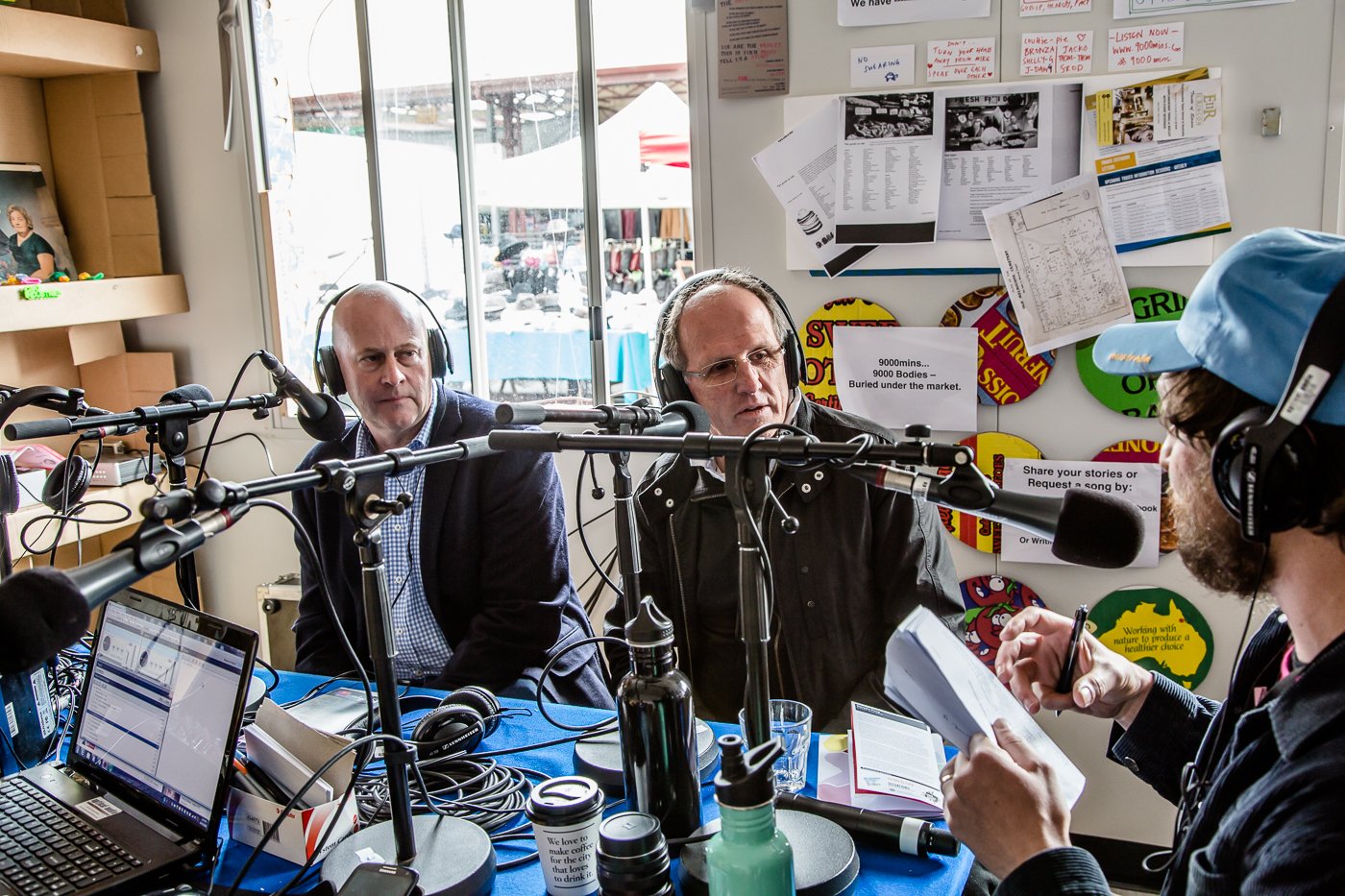
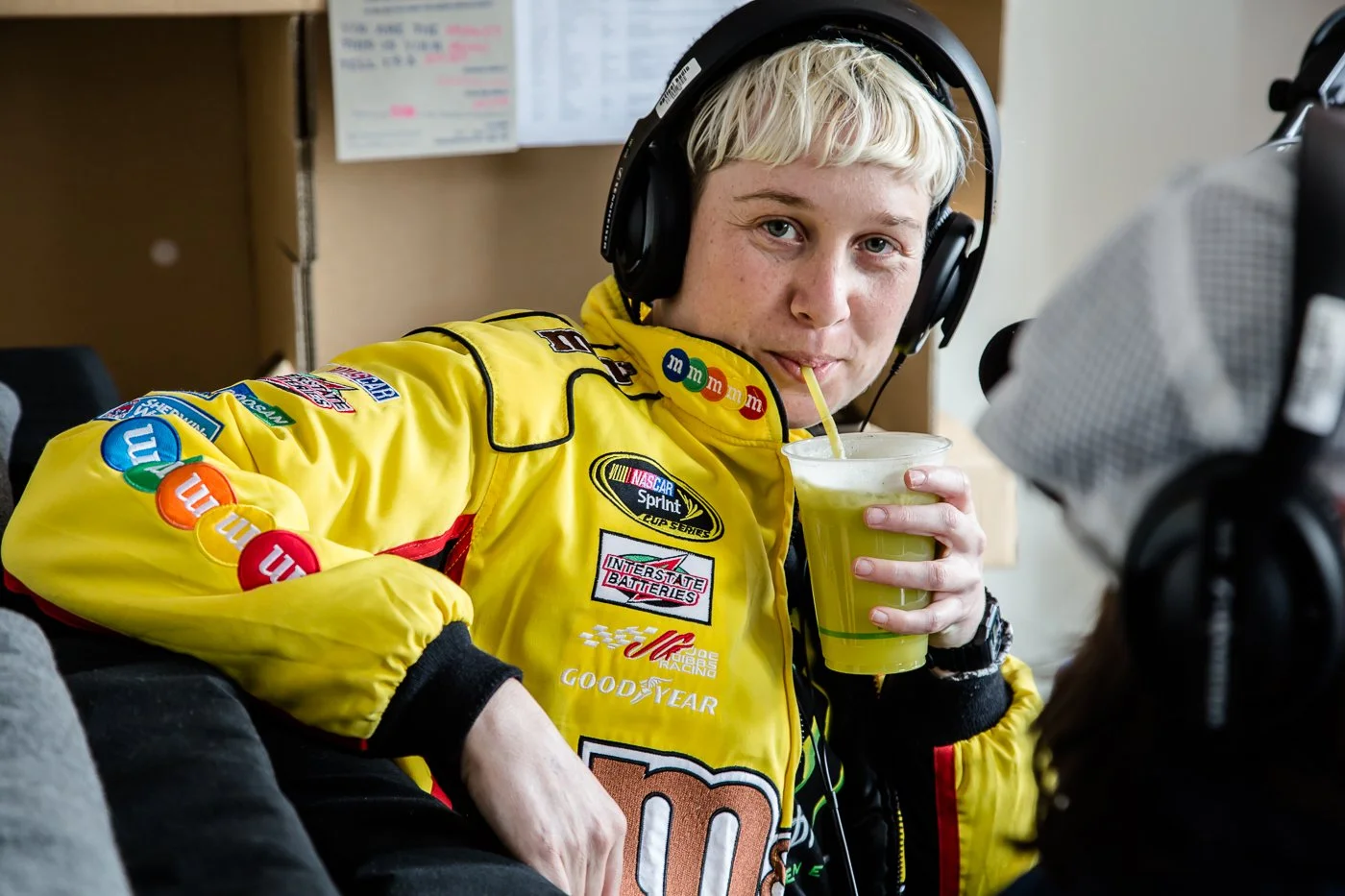
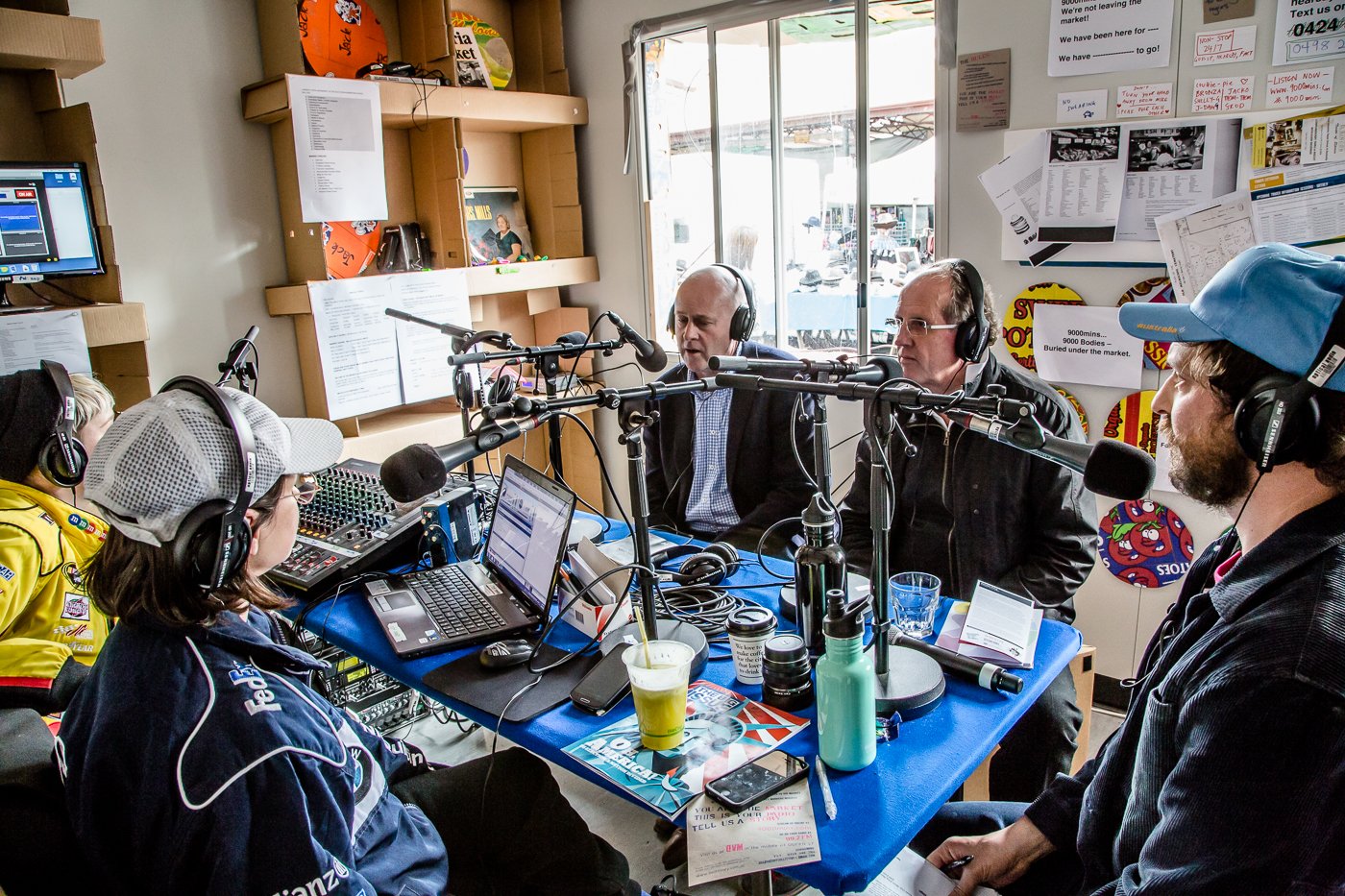
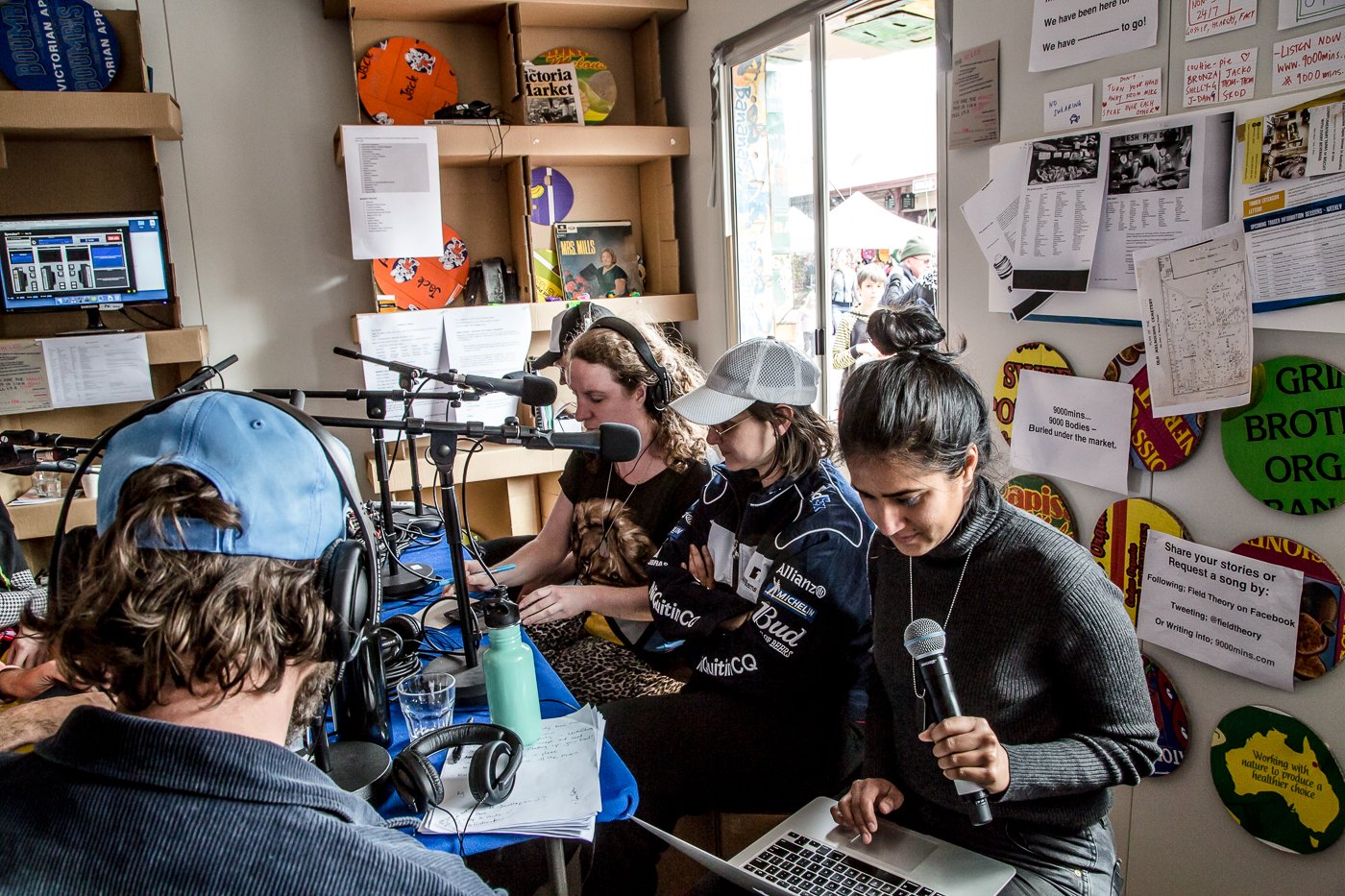
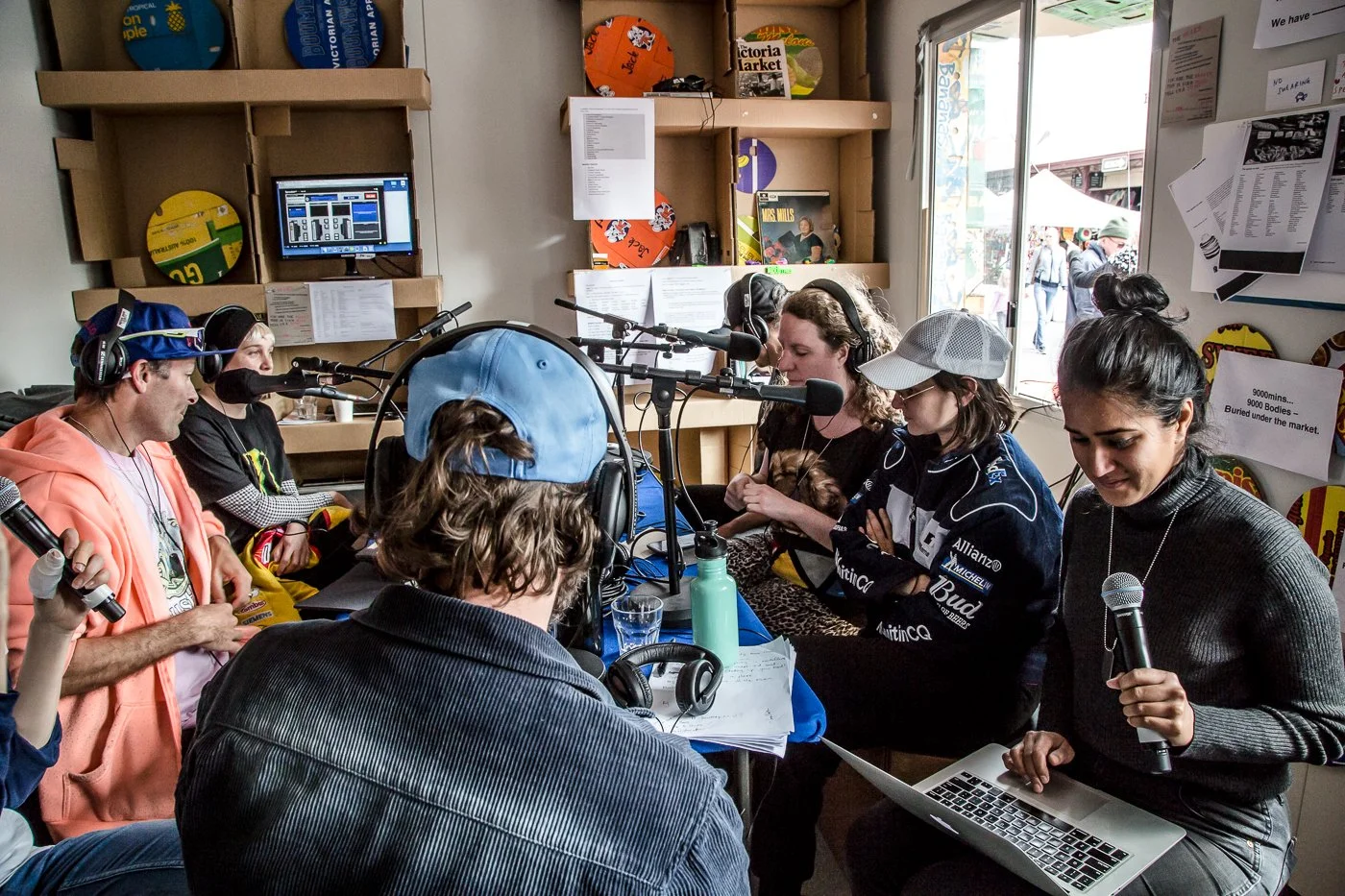
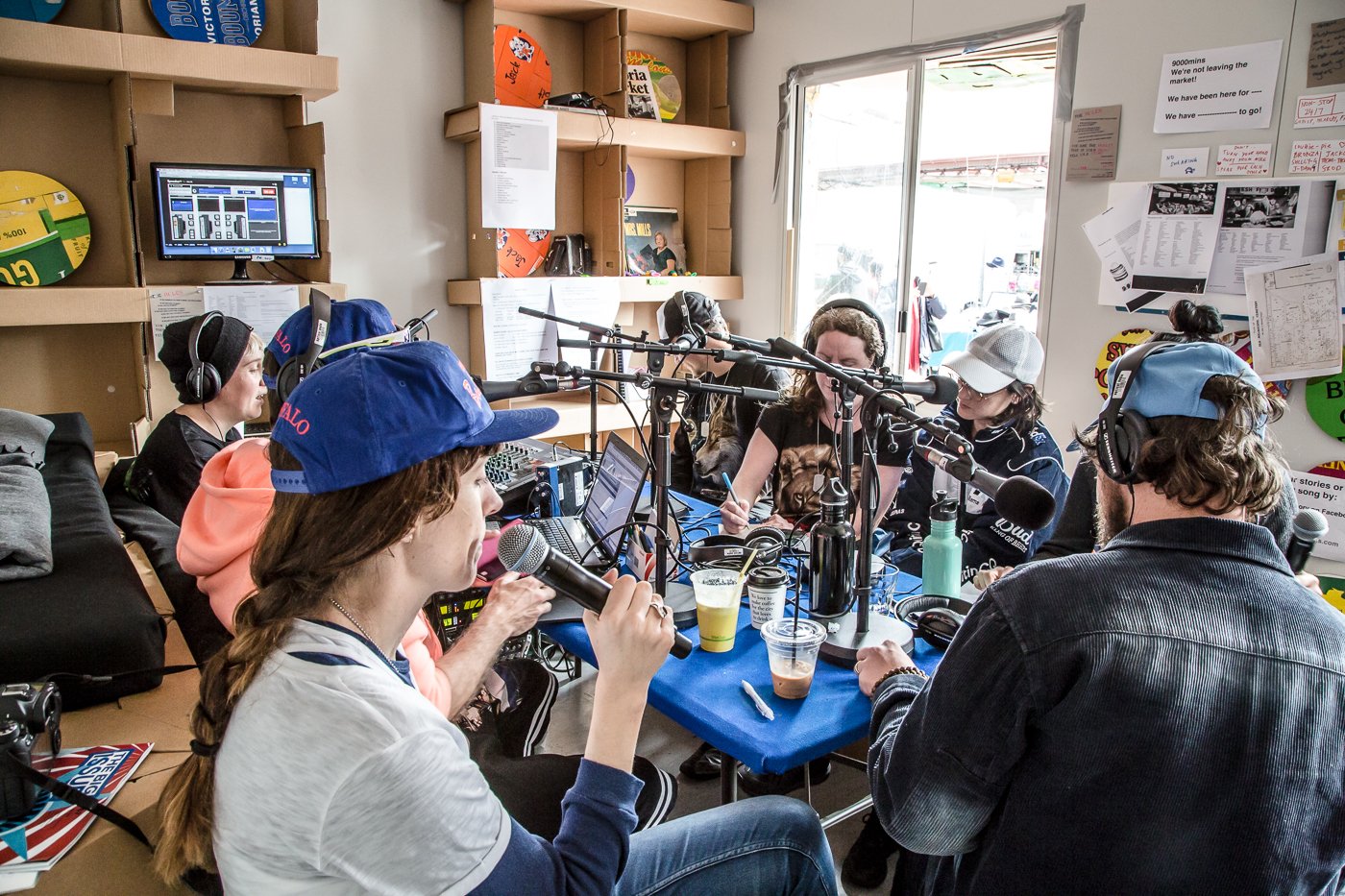
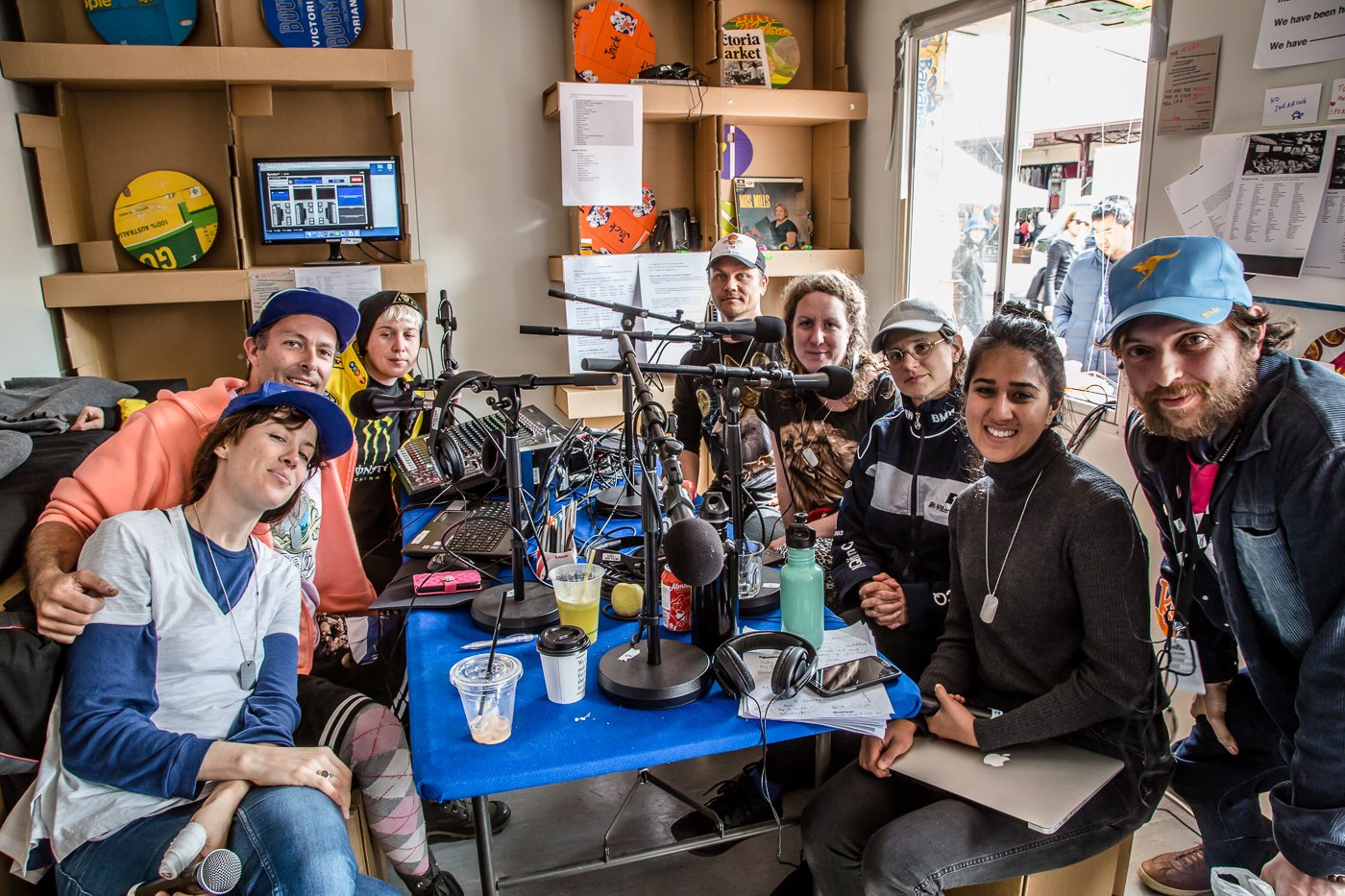
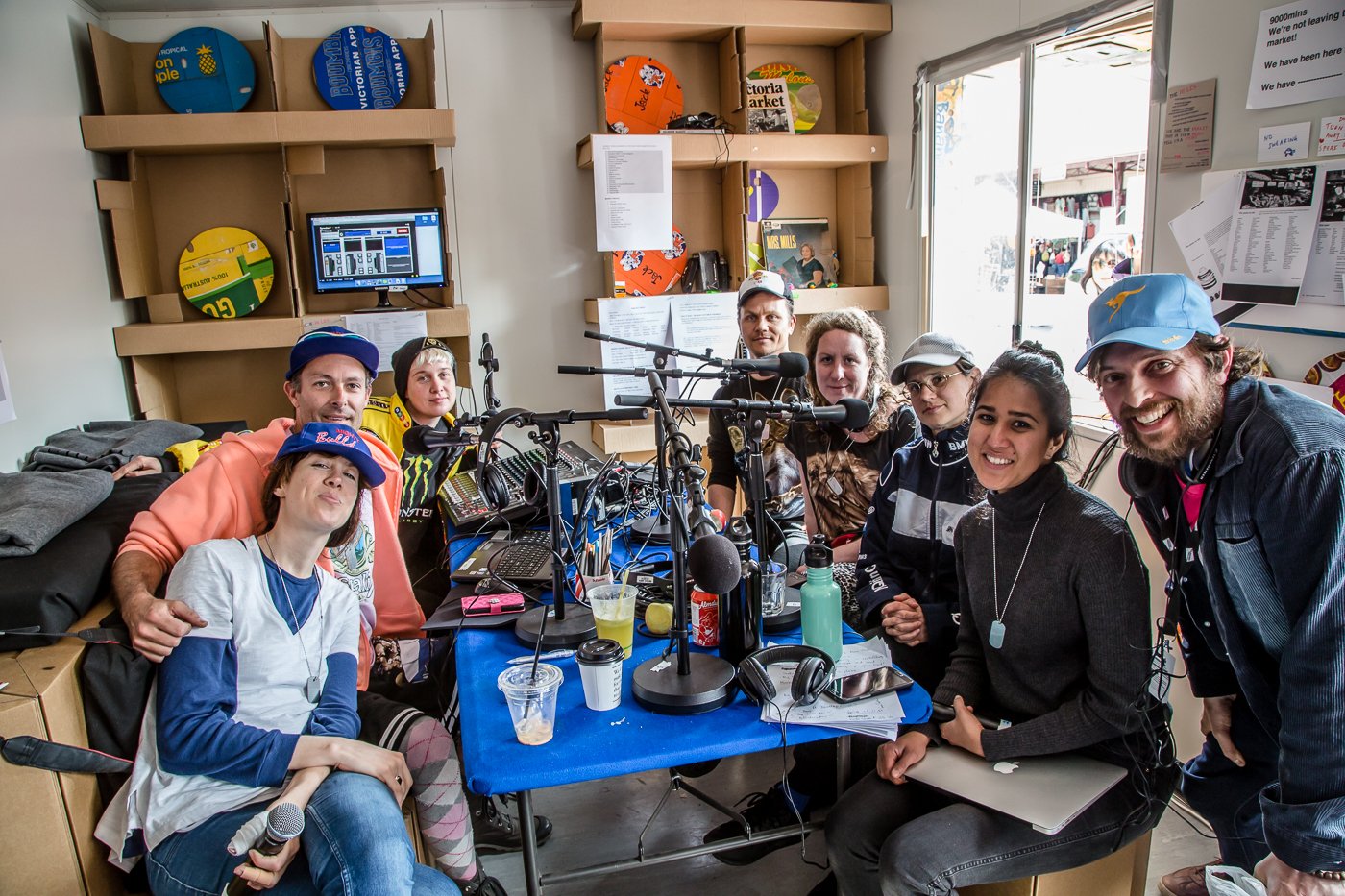
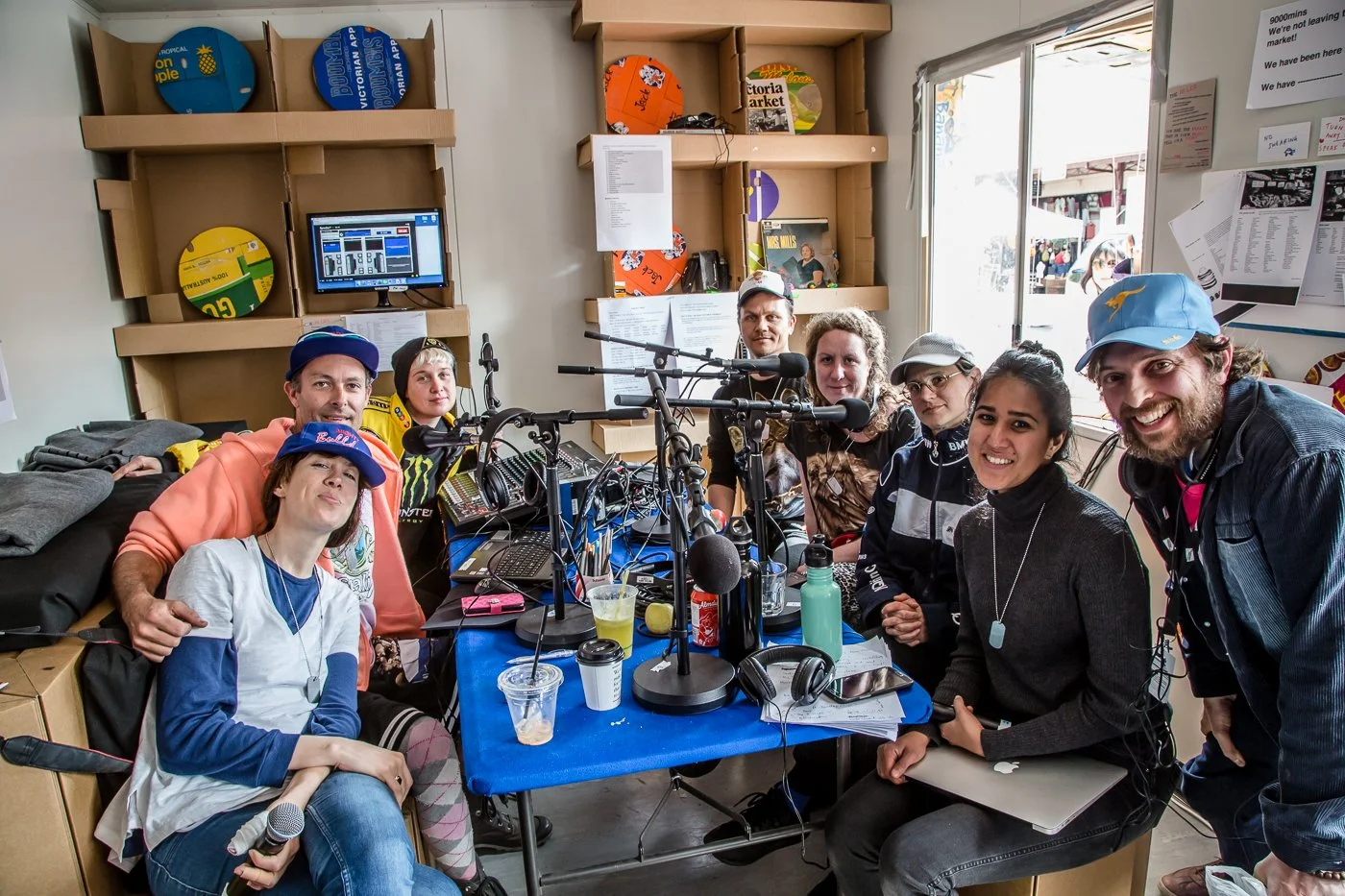
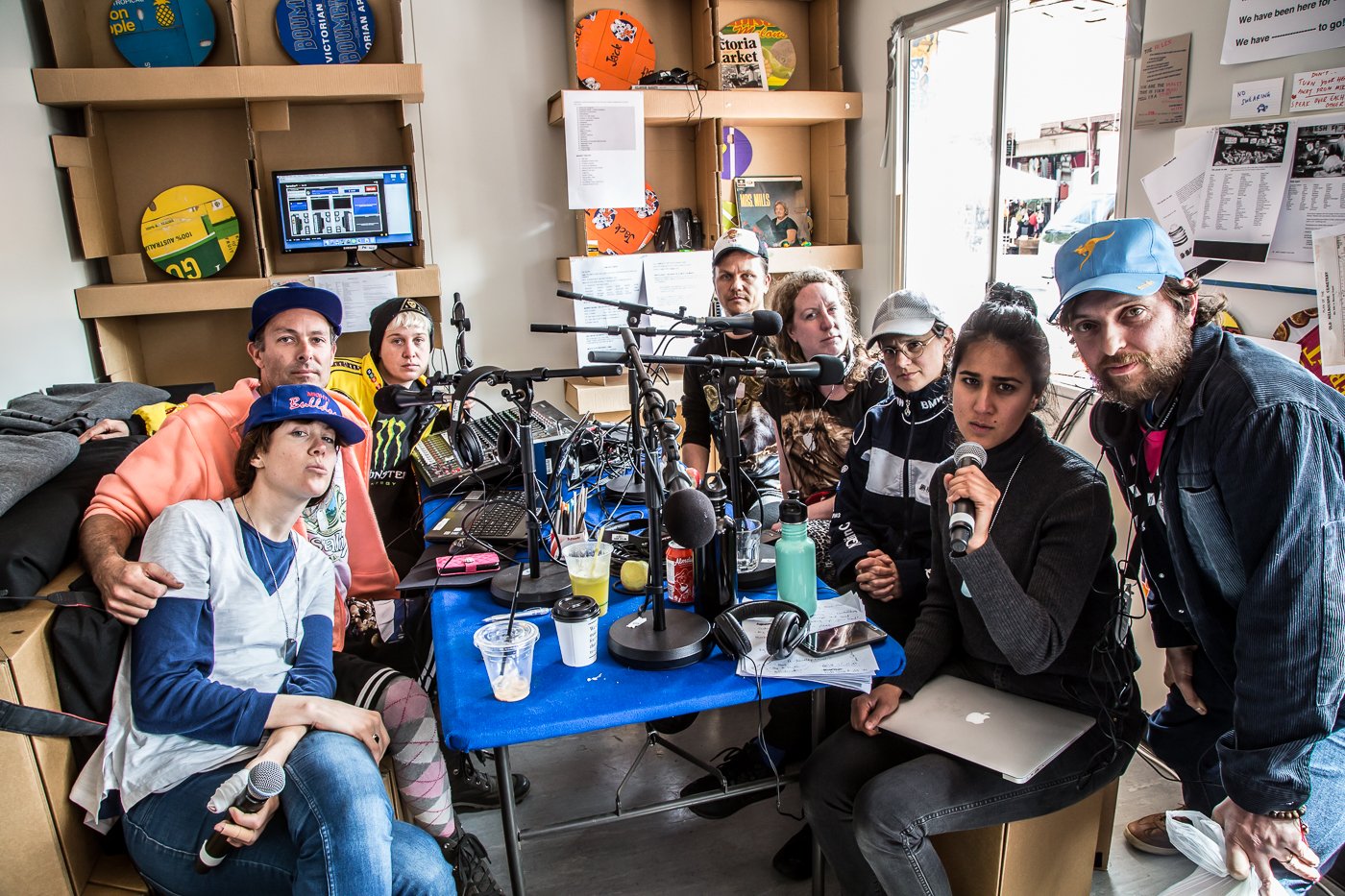
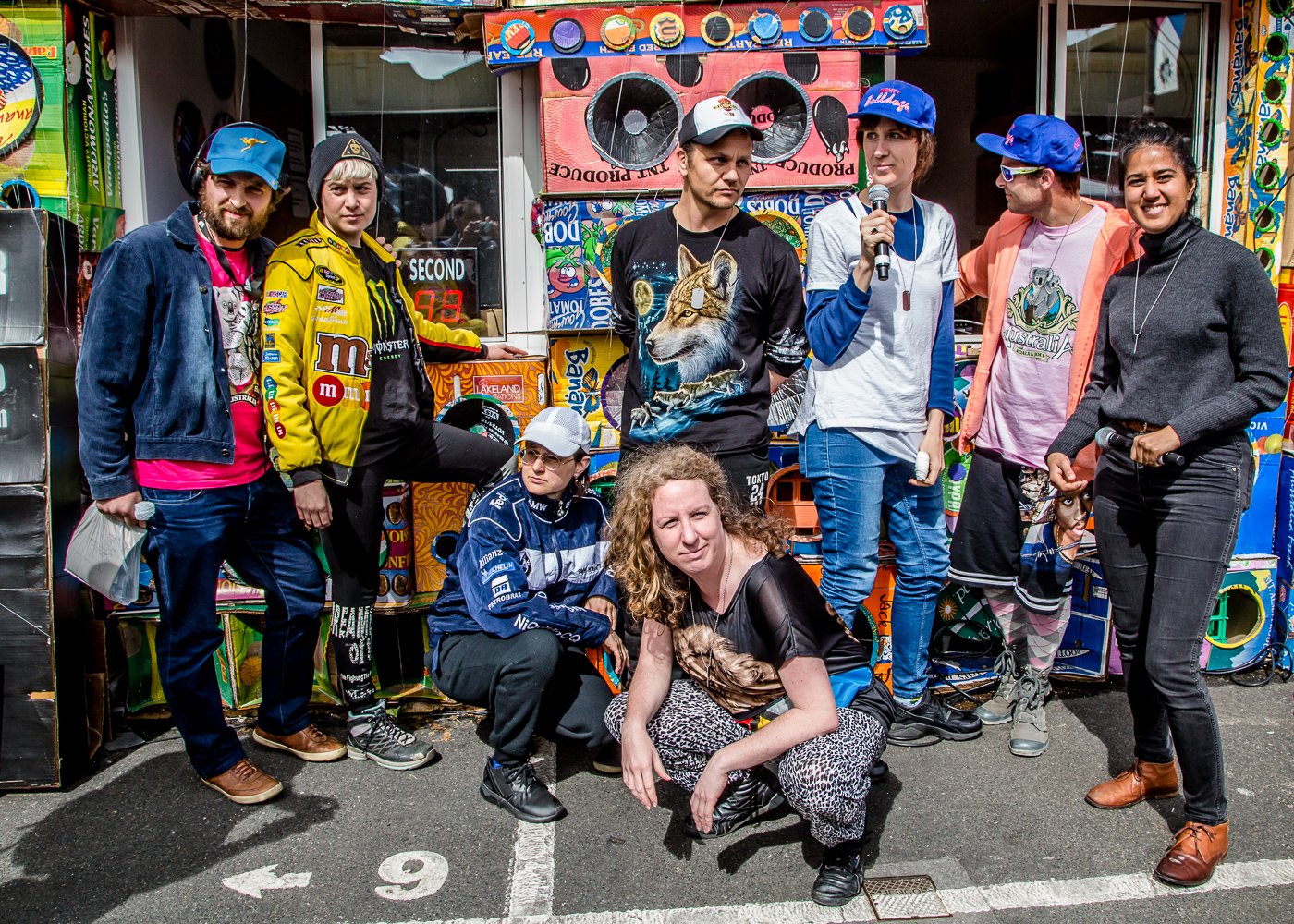
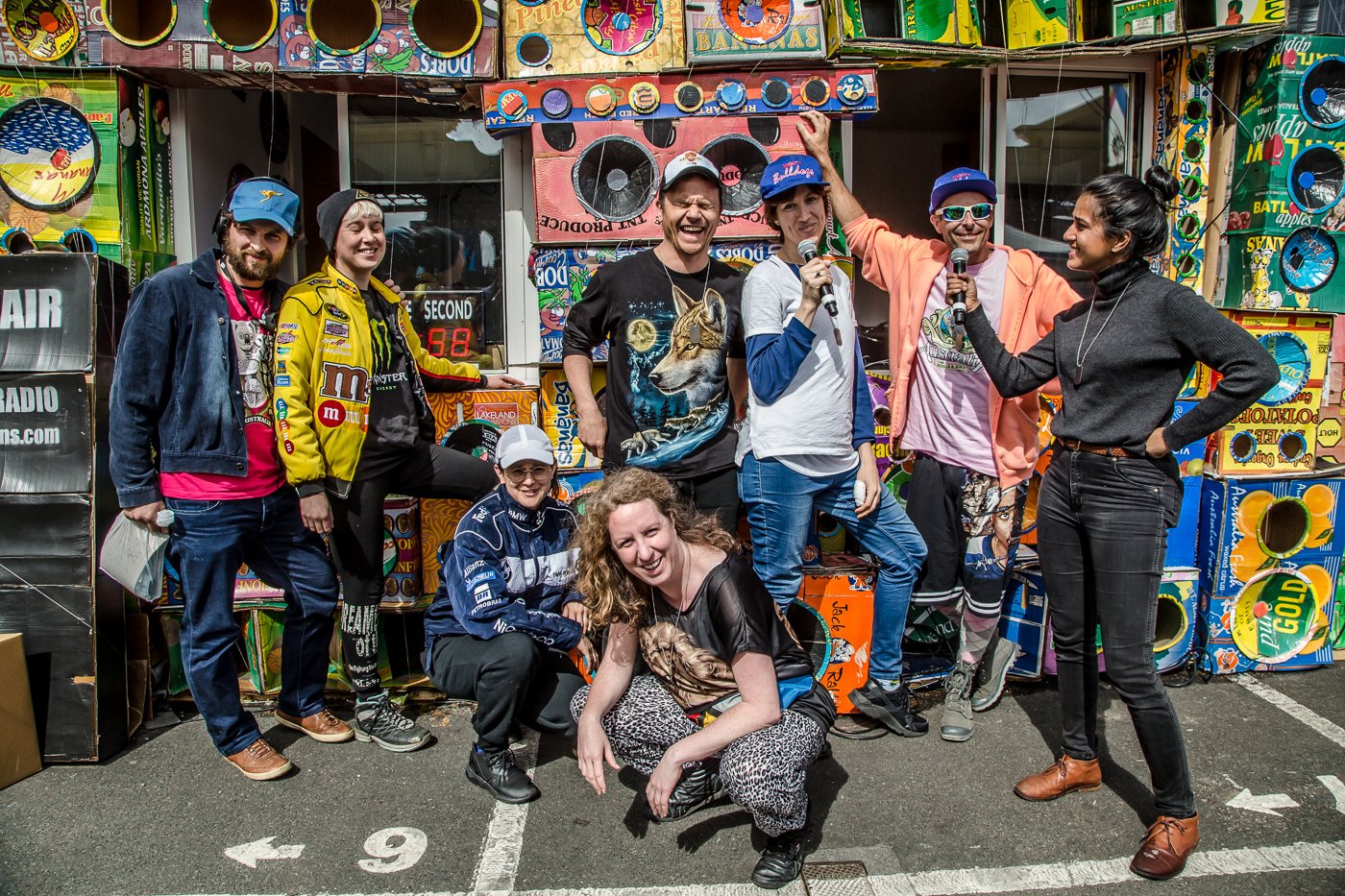
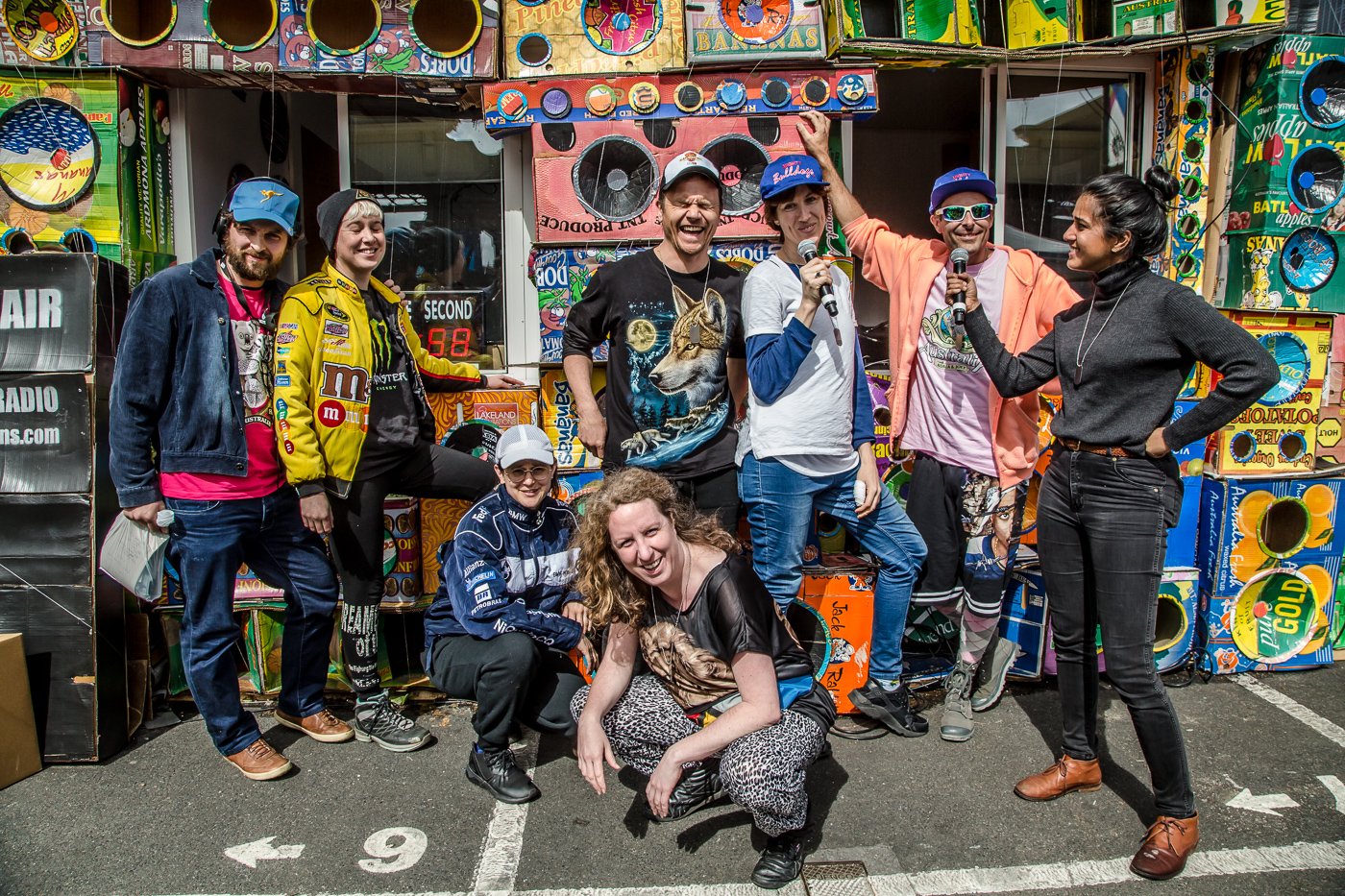
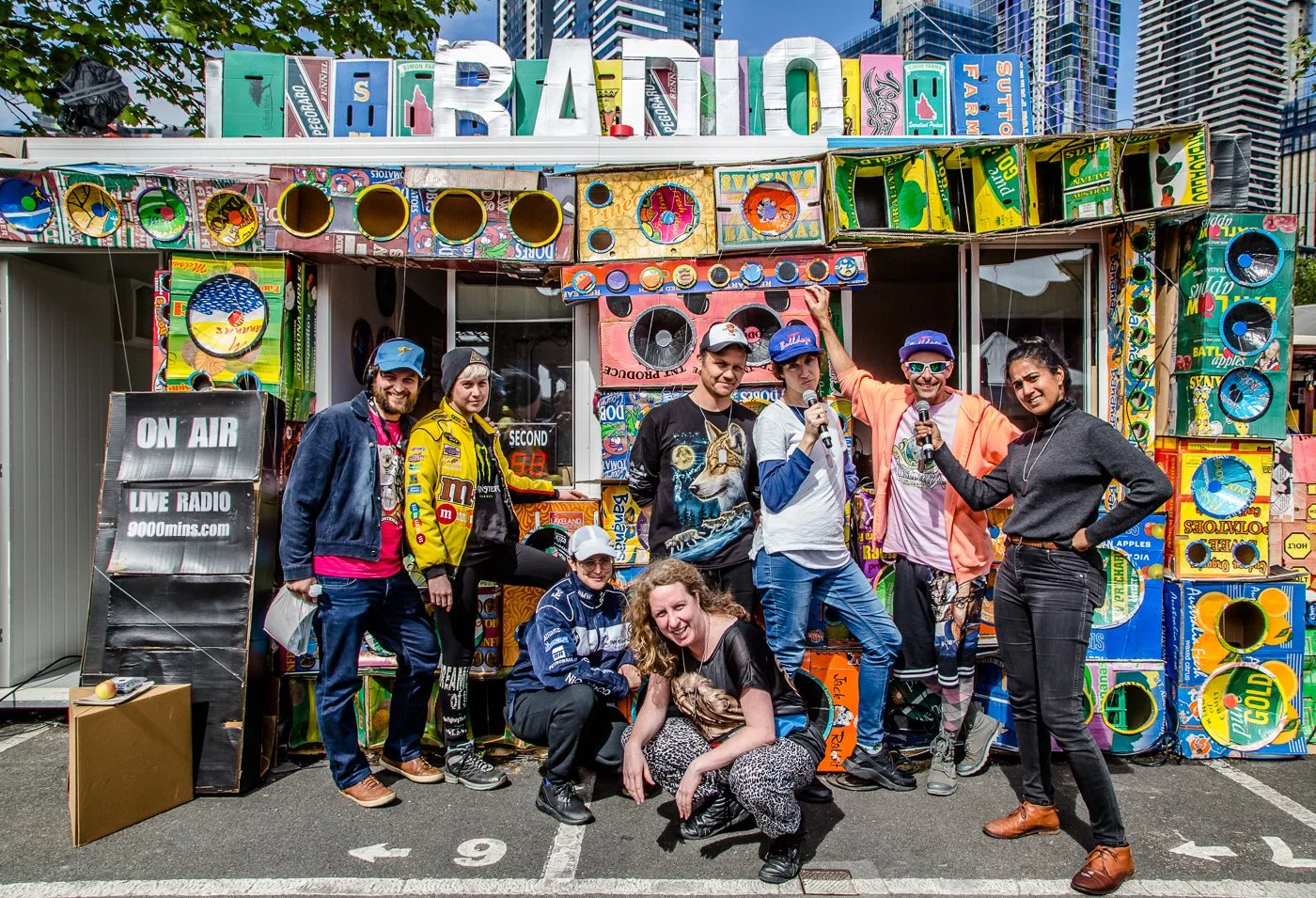
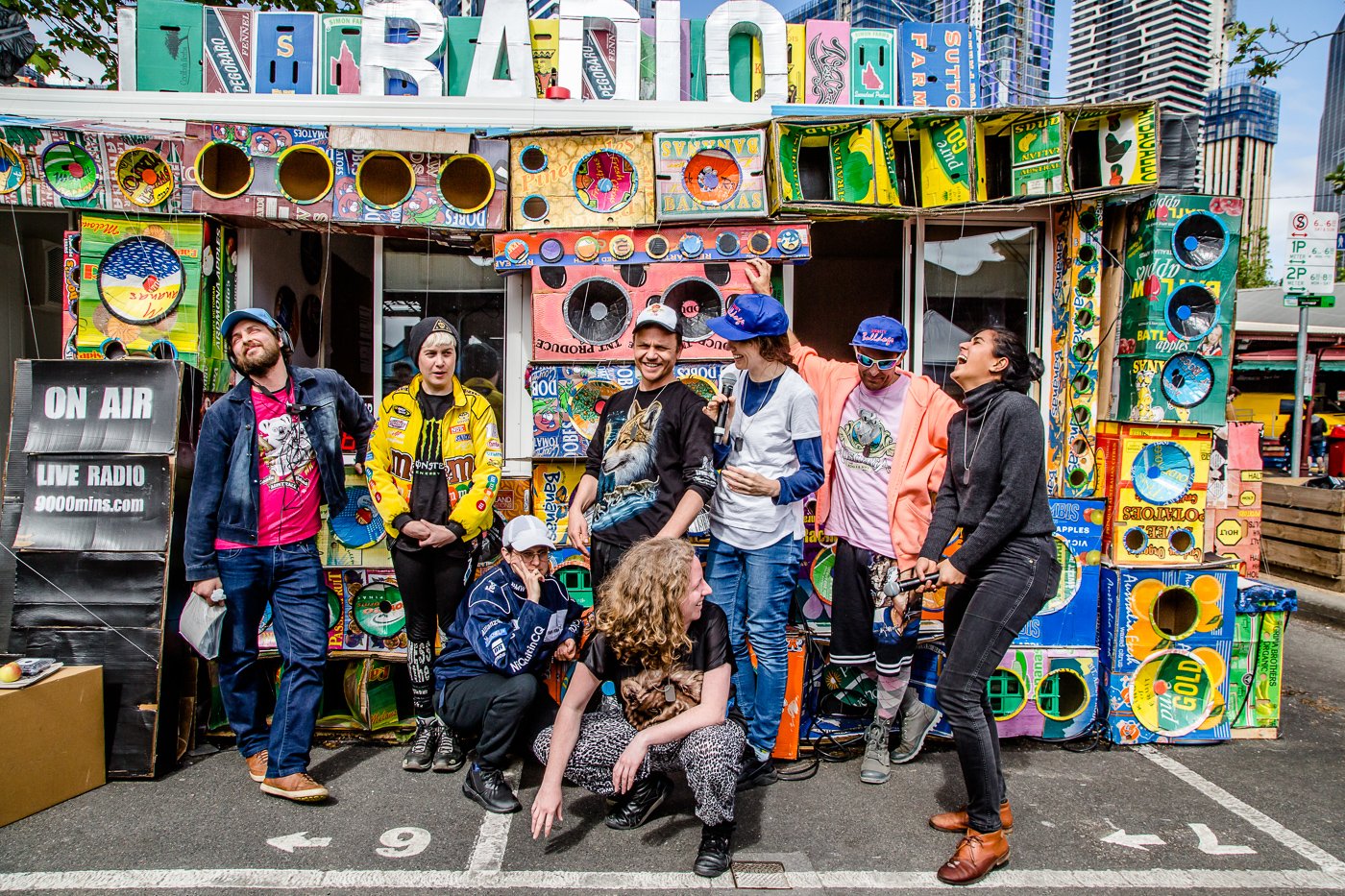
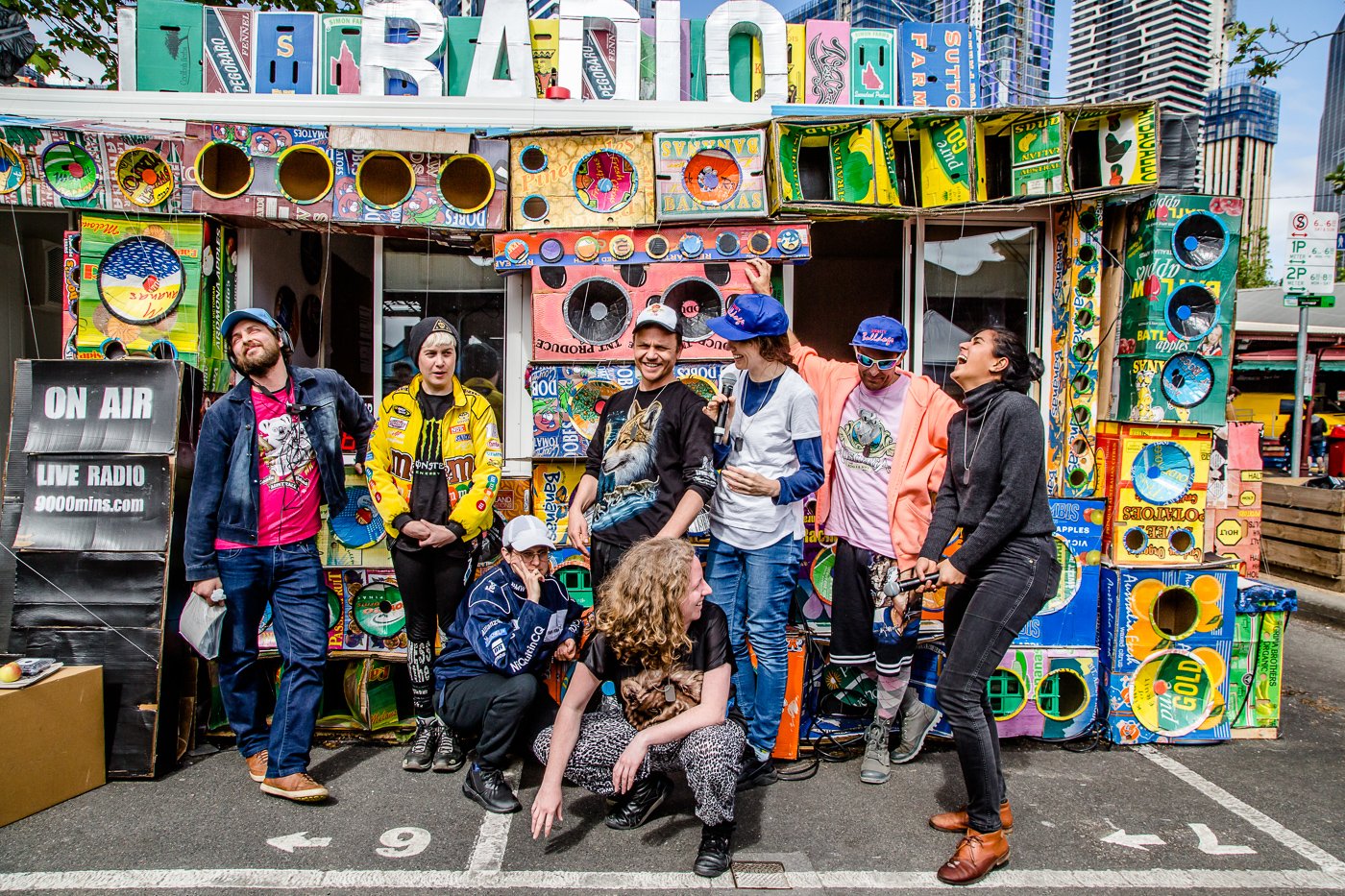
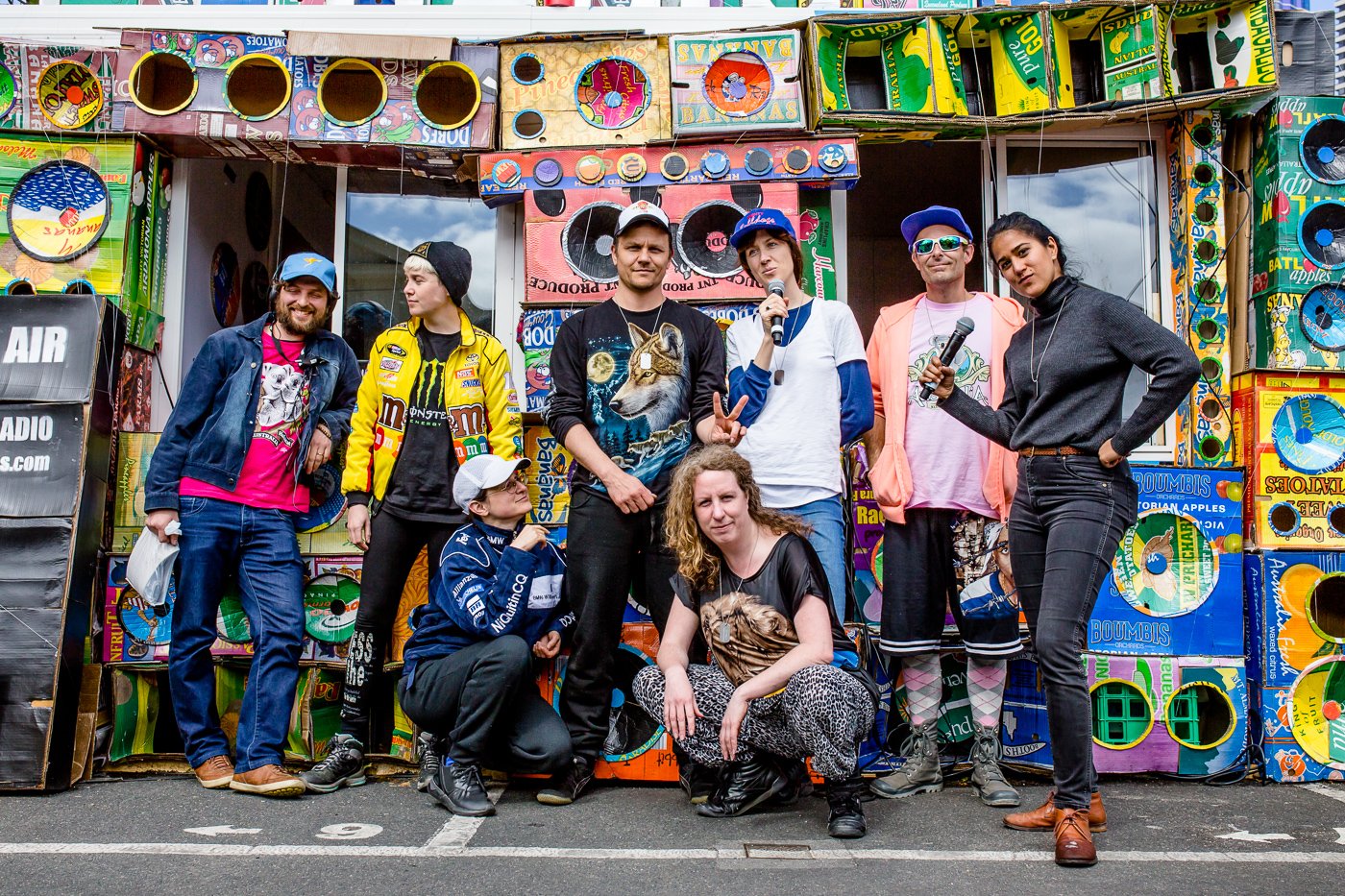
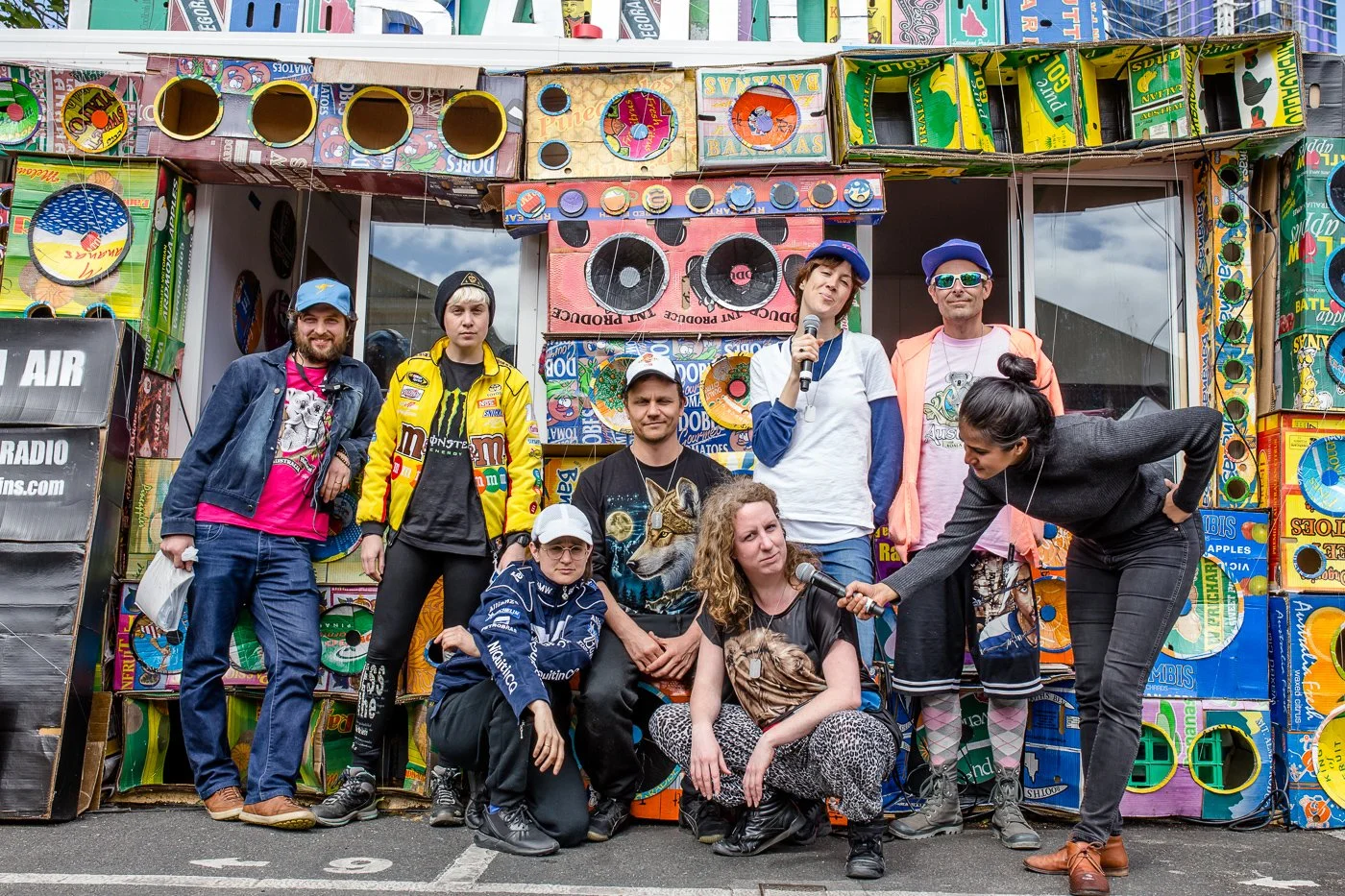
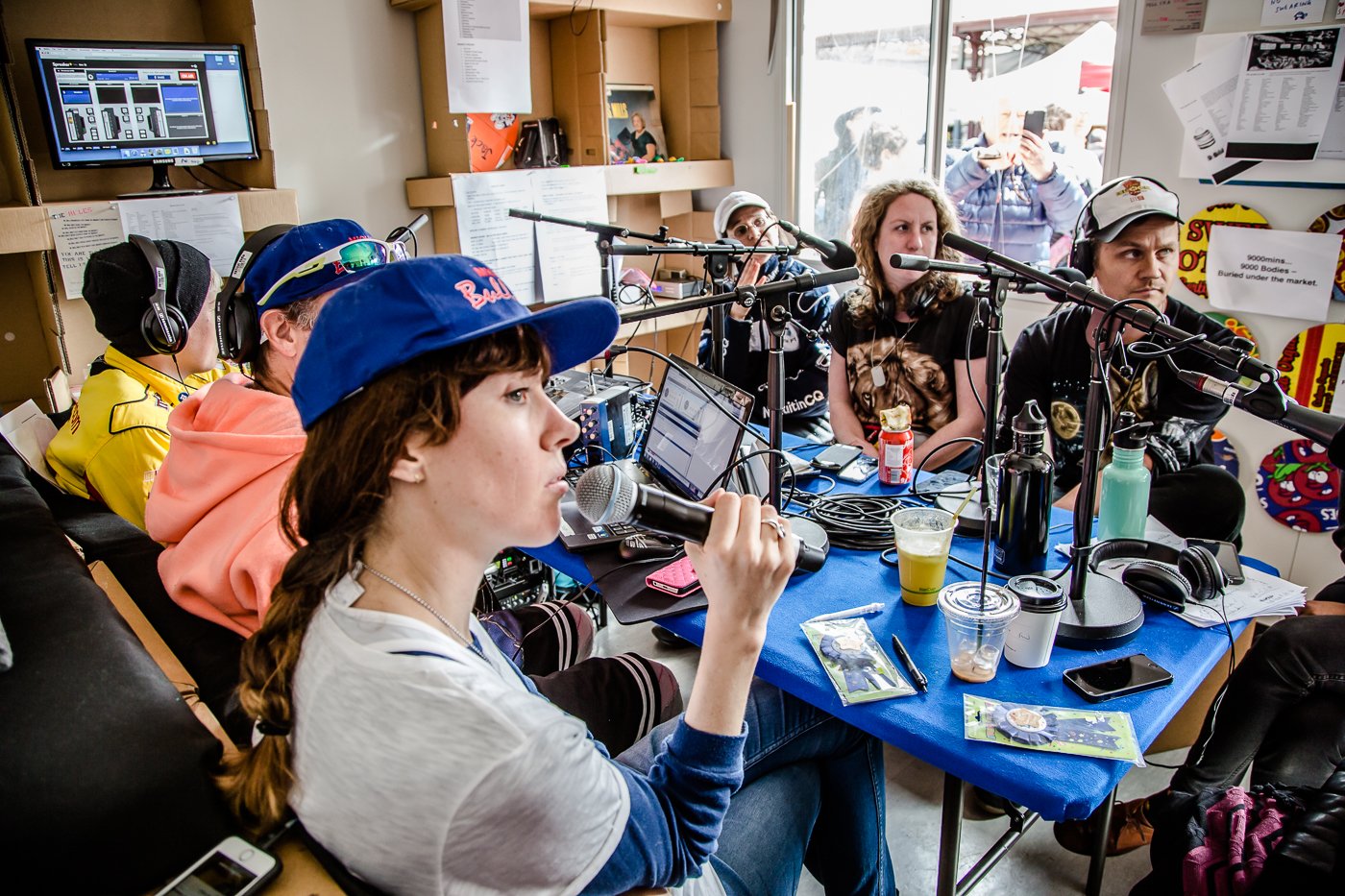
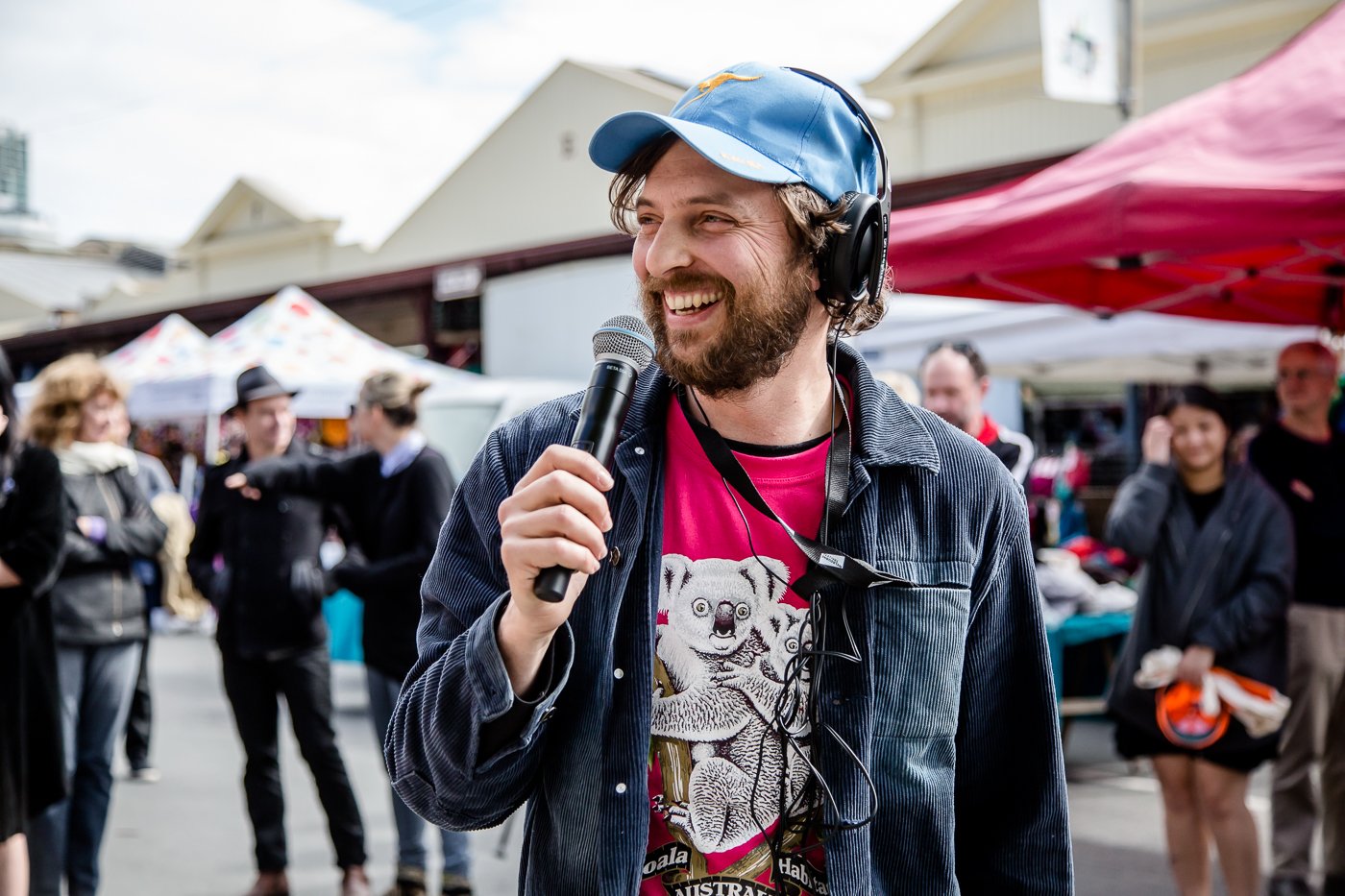
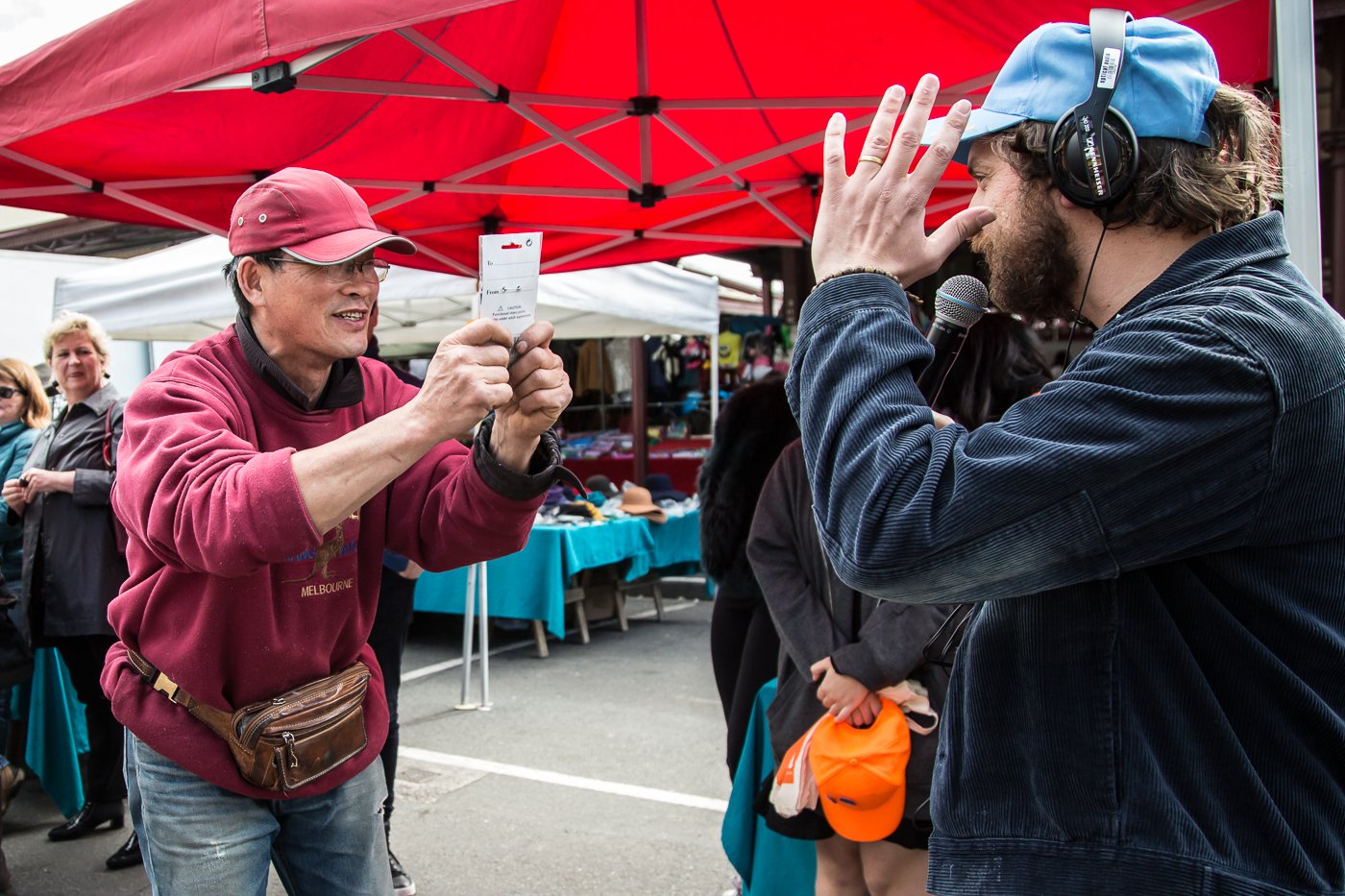
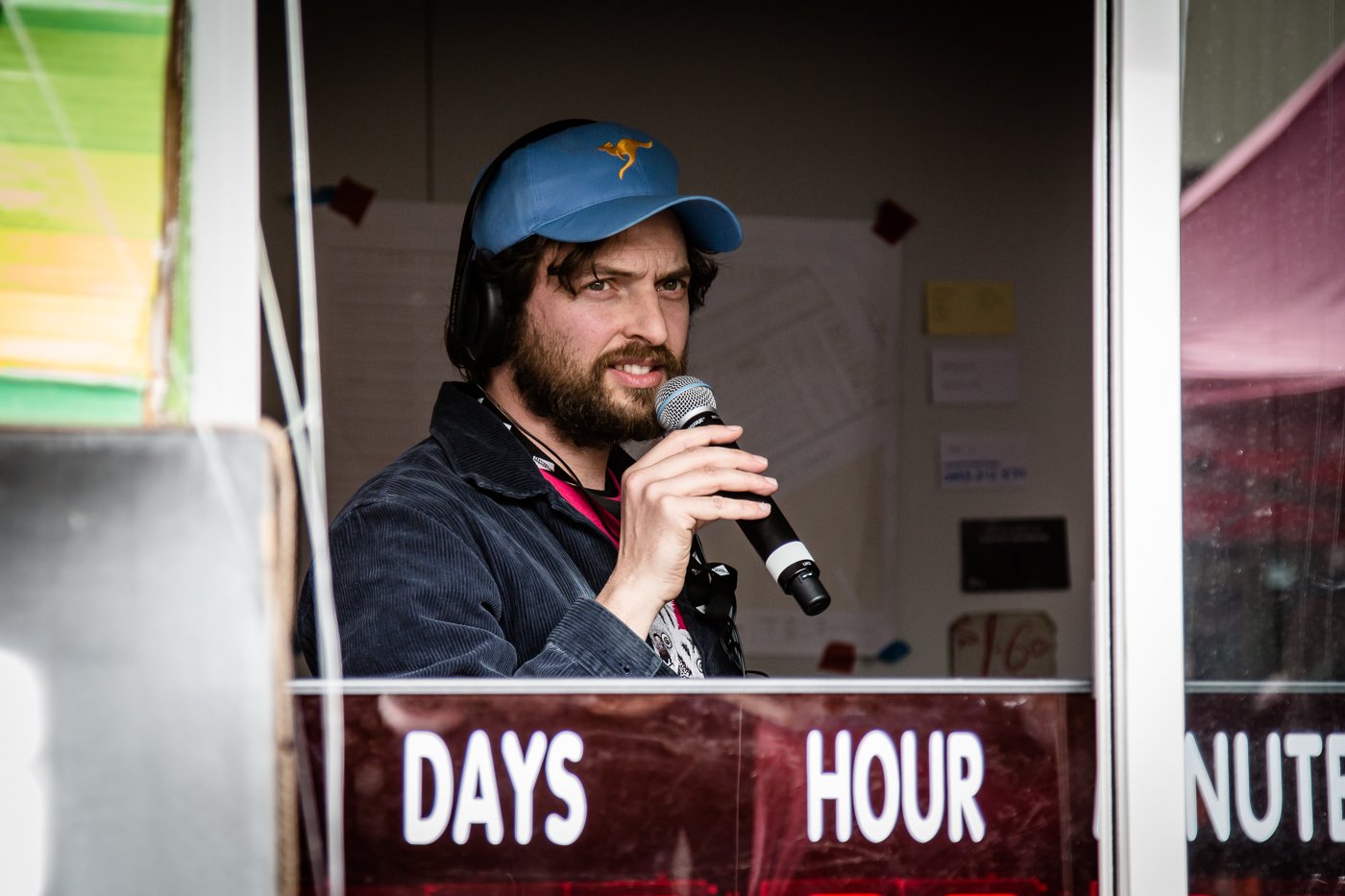
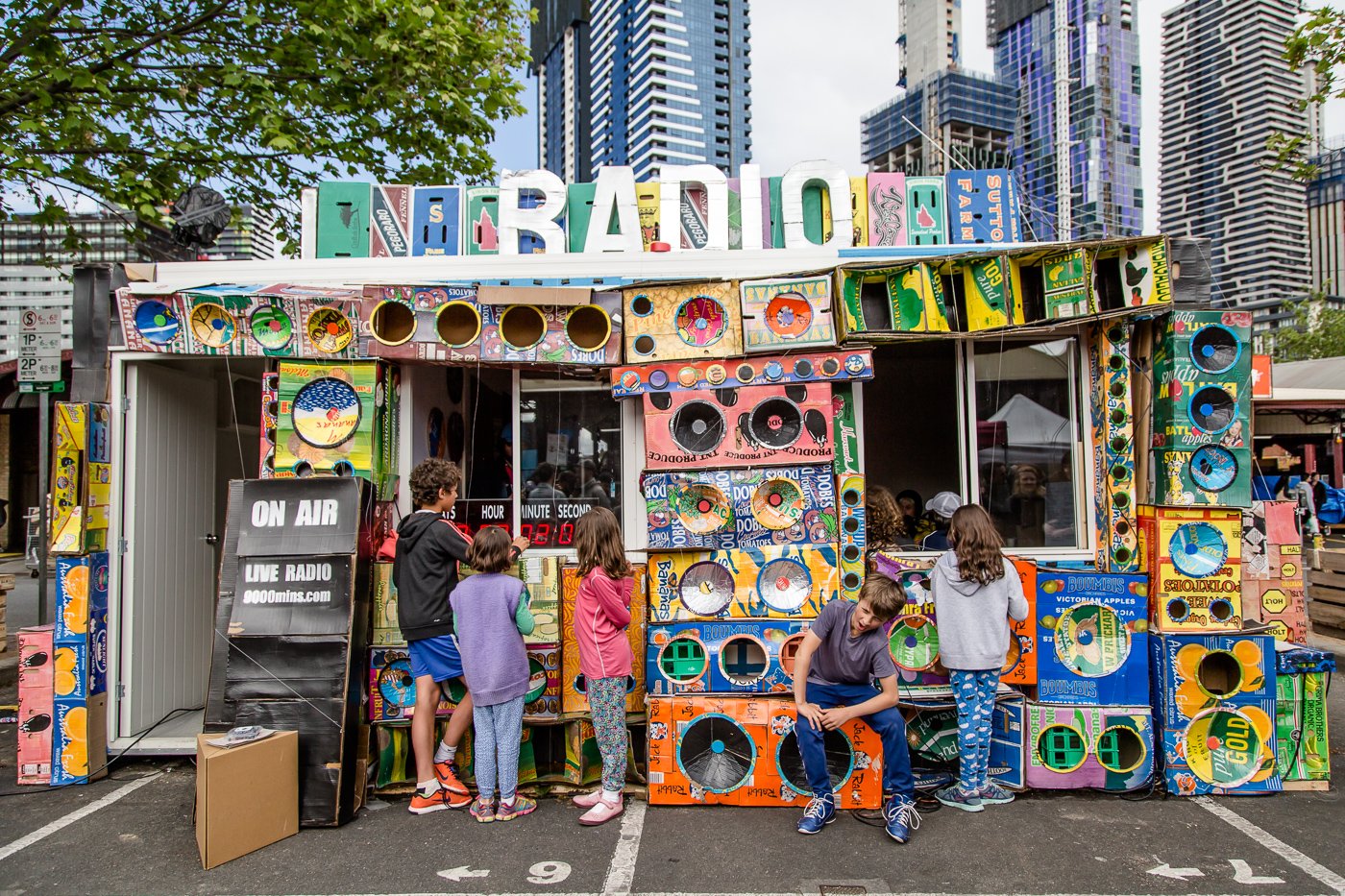
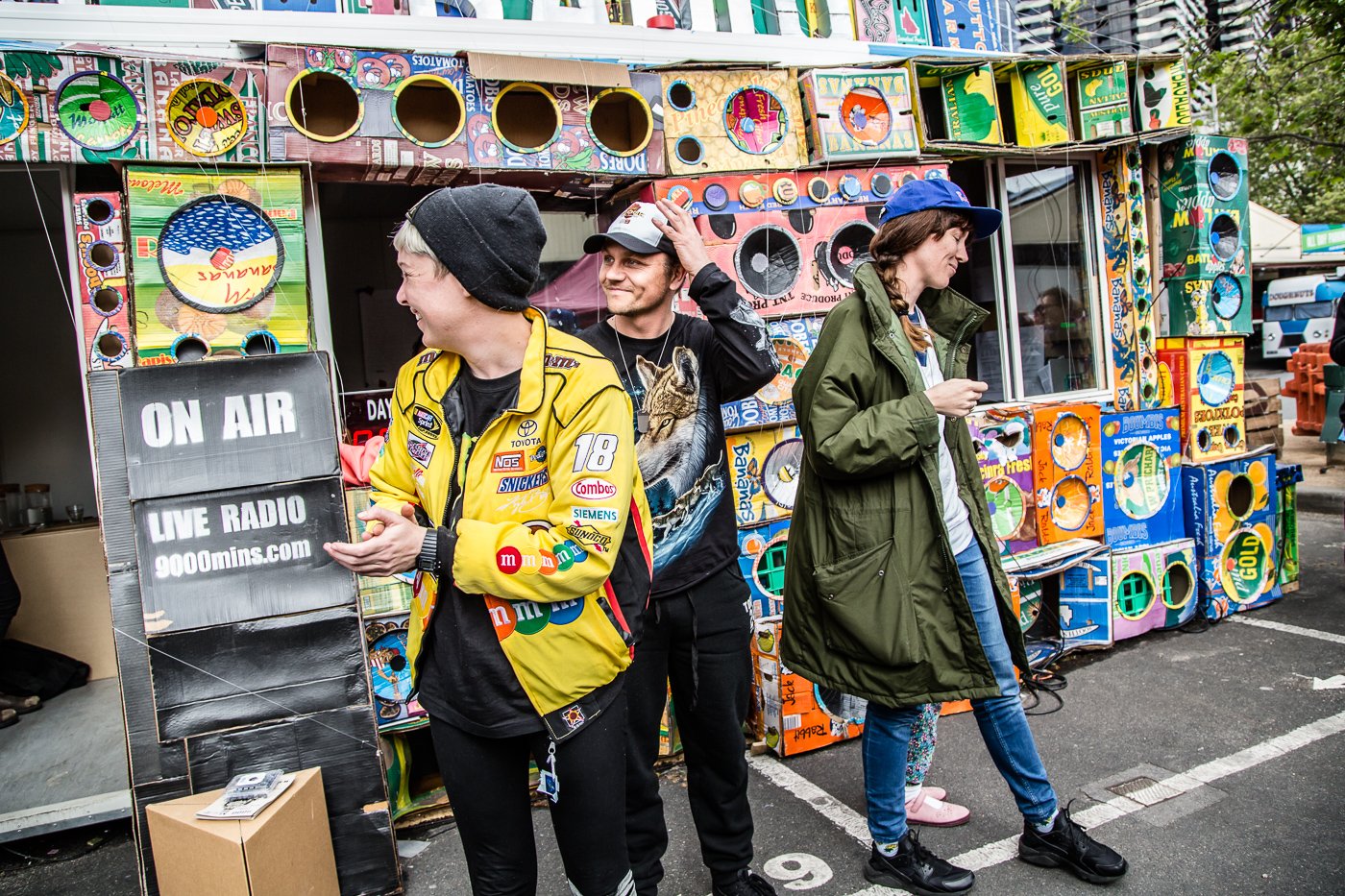
A temporary radio station was constructed in the middle of the market. Jason Maling built a large speaker structure from hundreds of discarded produce boxes, forming a kind of unstable monument to circulation, waste and amplification. The broadcast booth was fully exposed, sitting directly in the flow of foot traffic, with stallholders, shoppers and curious passersby moving constantly through it.
Queen Victoria Market, Melbourne
Melbourne Festival / Public Art Melbourne Biennial Lab
“What Happens Now”
The rules were simple and not especially negotiable.
The broadcast could not stop.
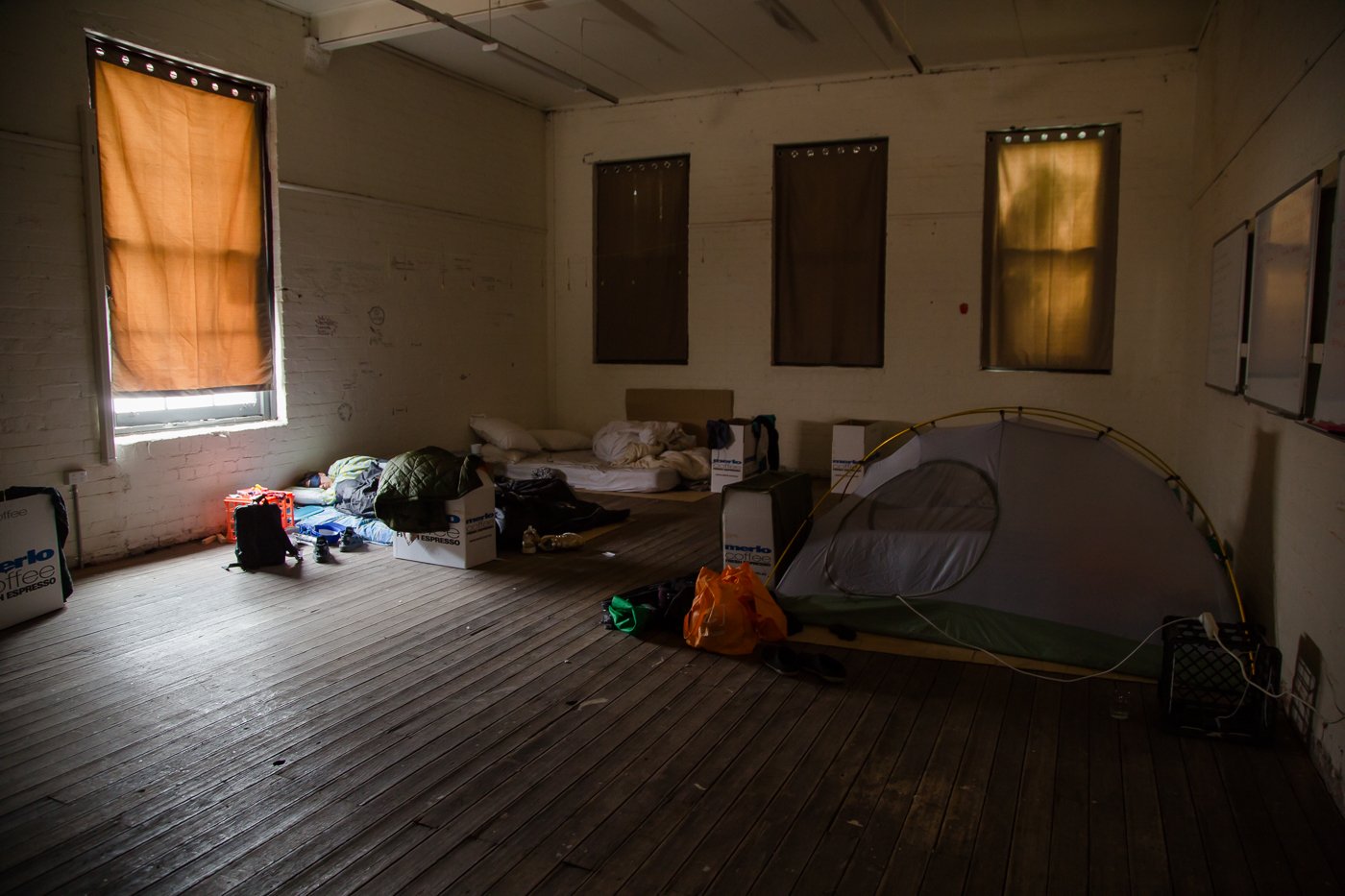
The collective could not leave the market.
They could only eat food from the market.
They could only wear clothes from the market.
They could only talk about, or play music related to, the market.
This created a closed system that quickly became its own logic.
The broadcast ran continuously for 9000 minutes.



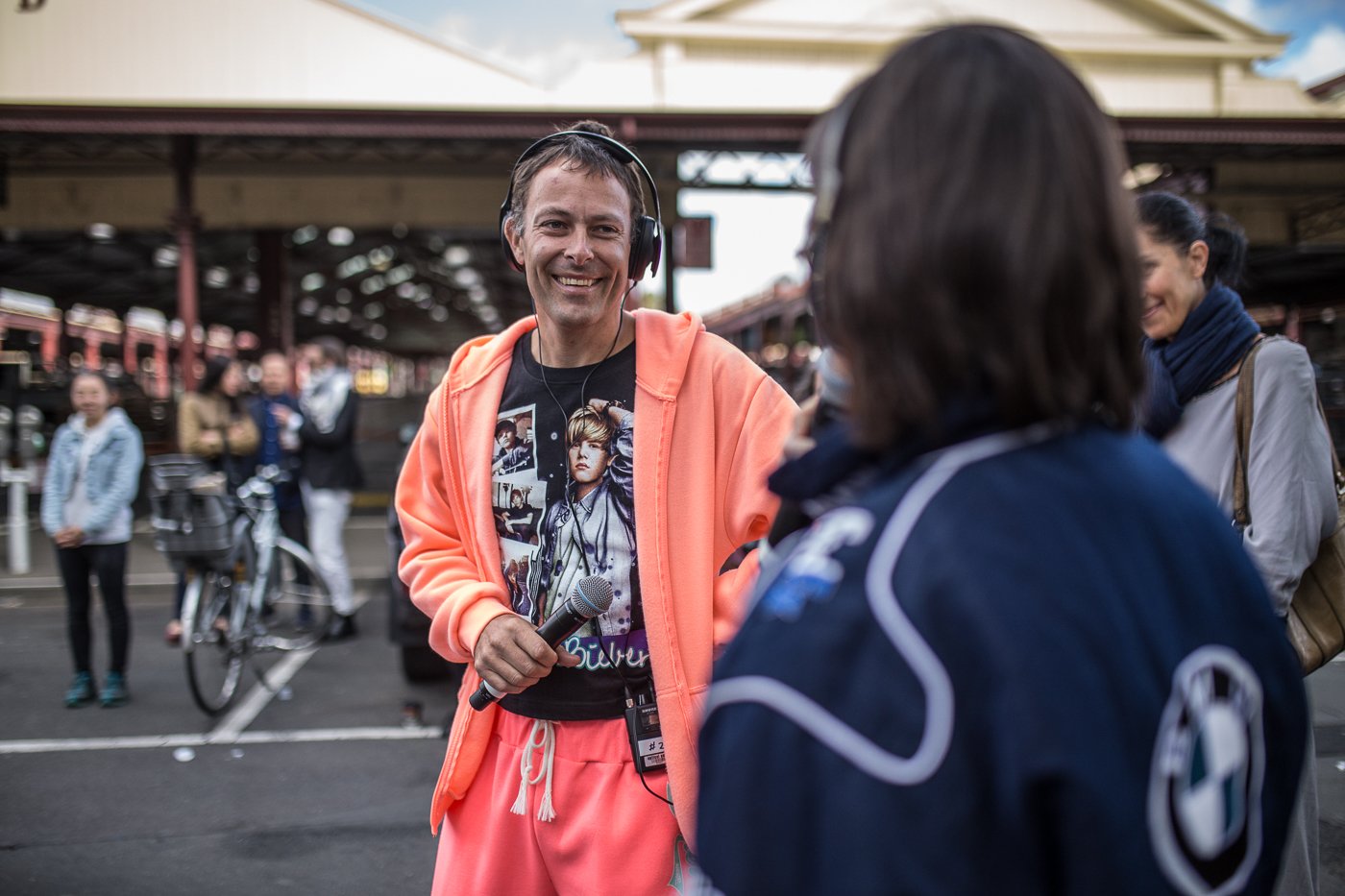
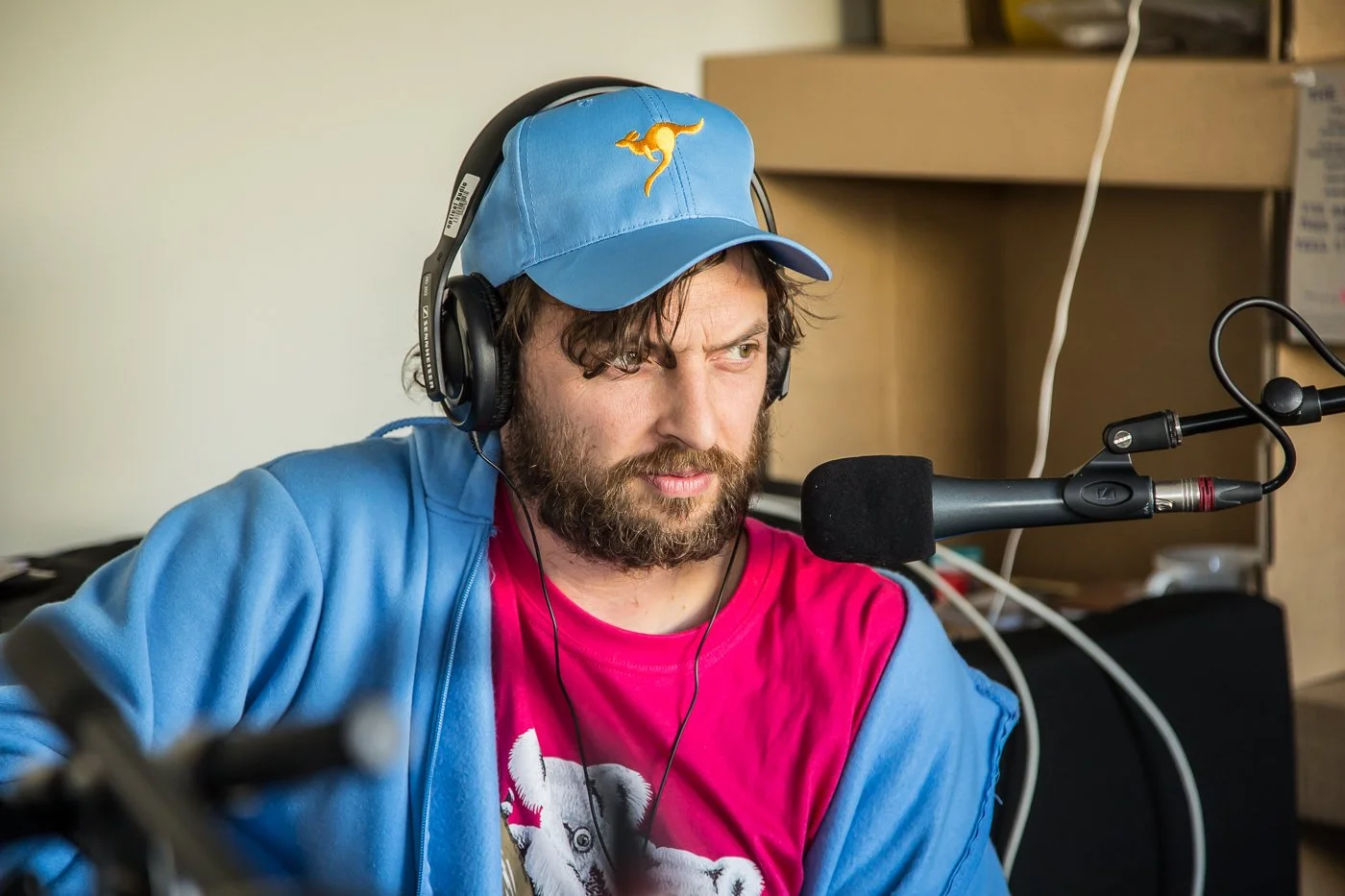
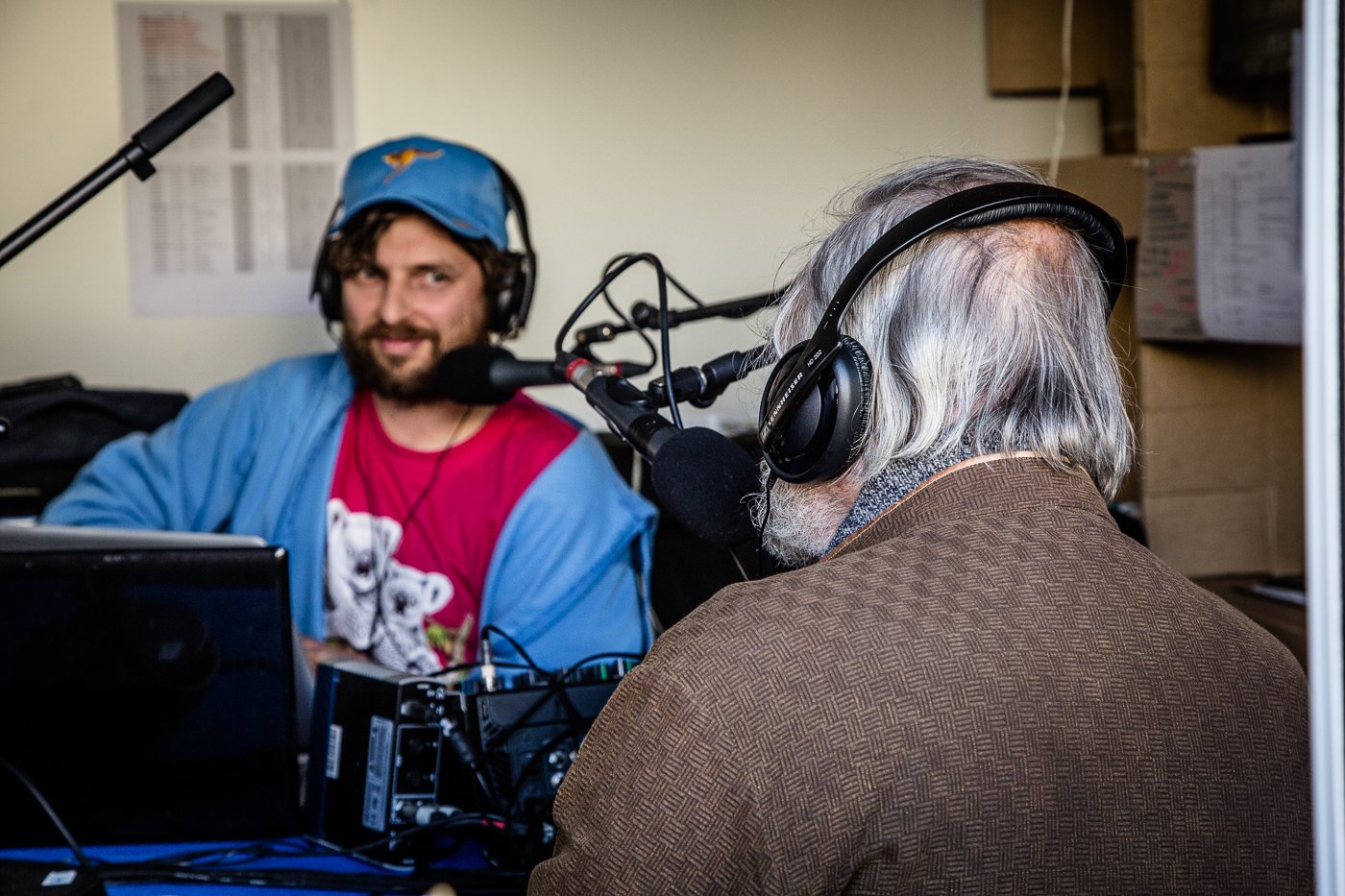
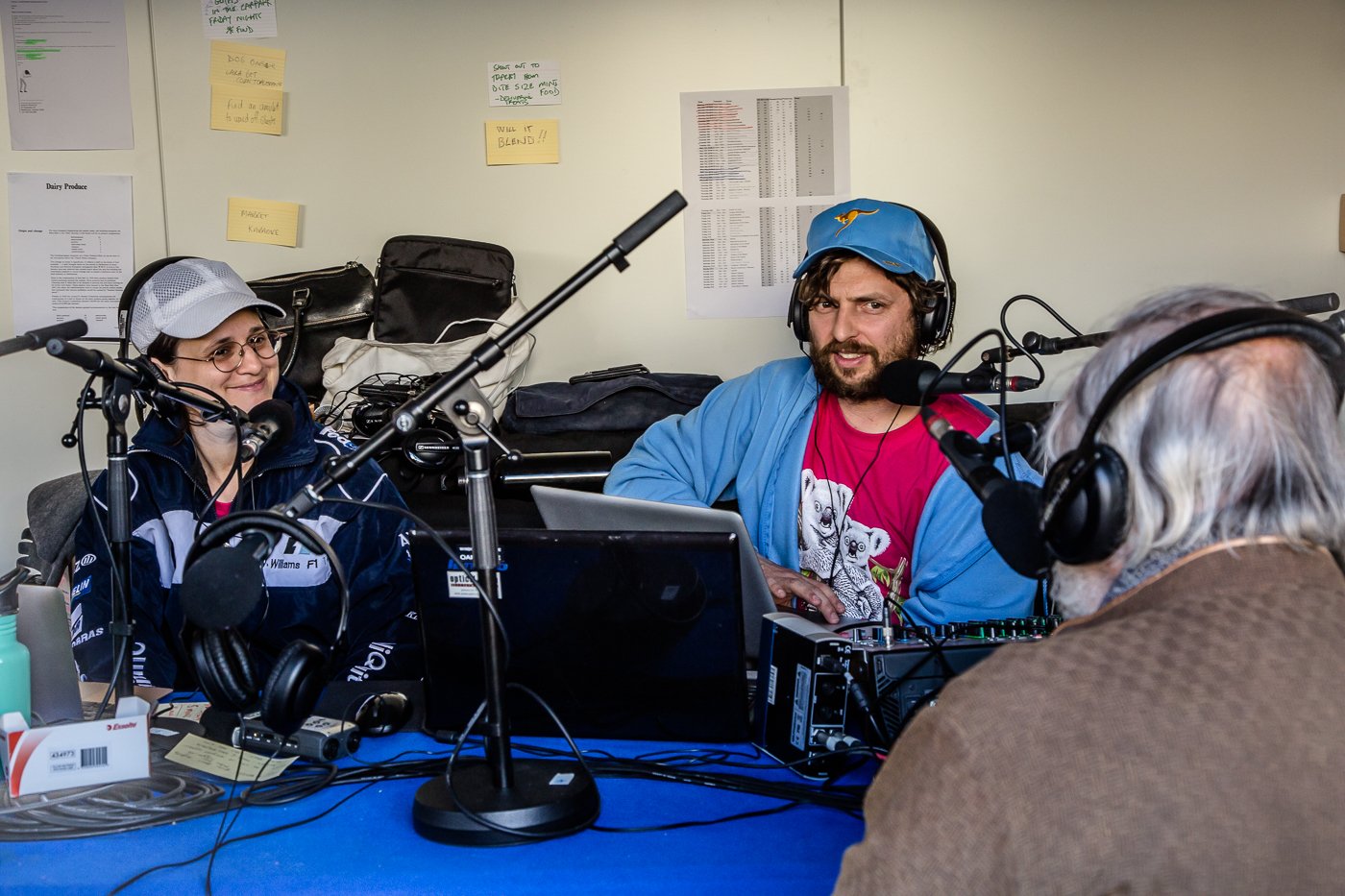
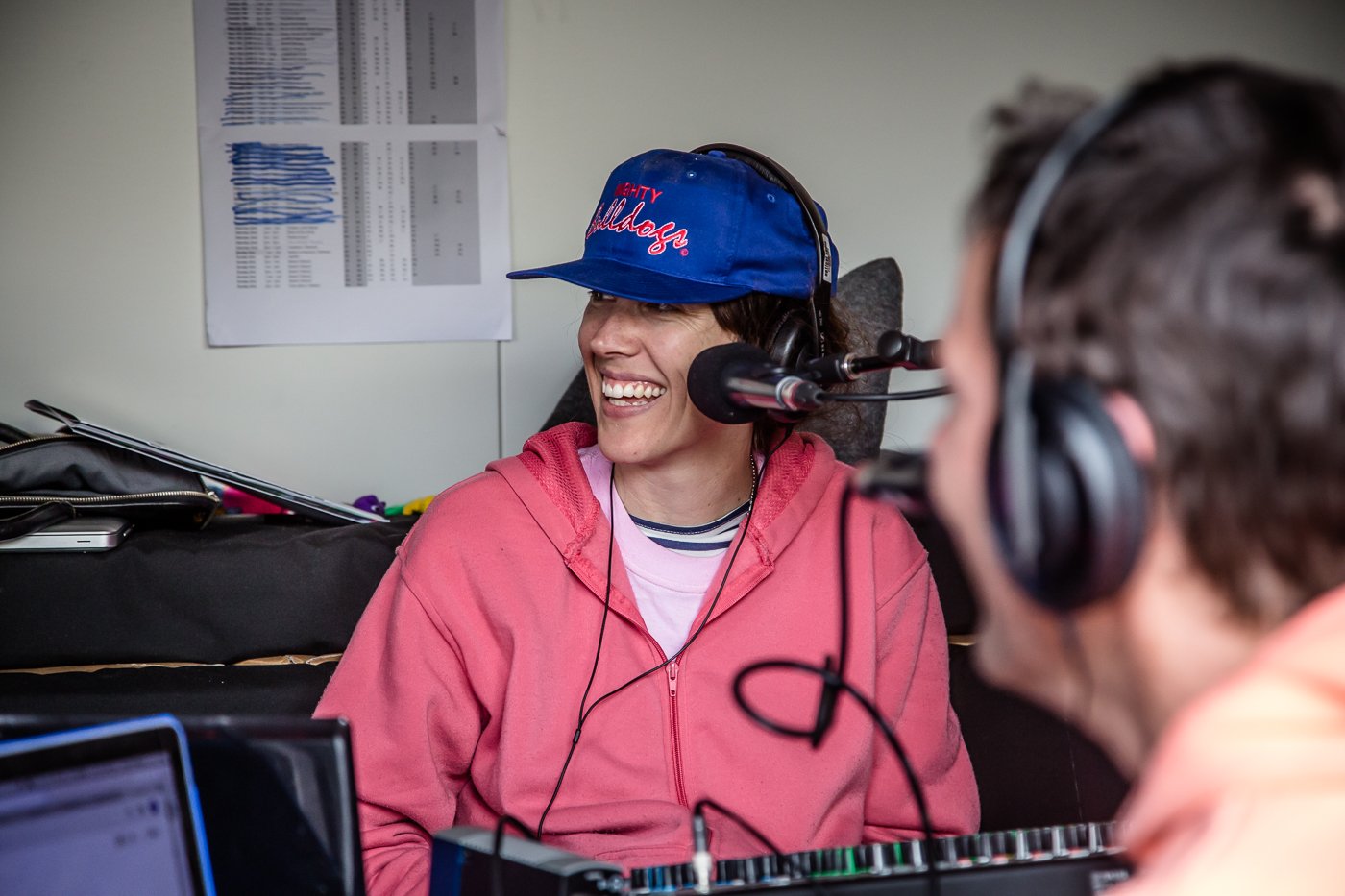
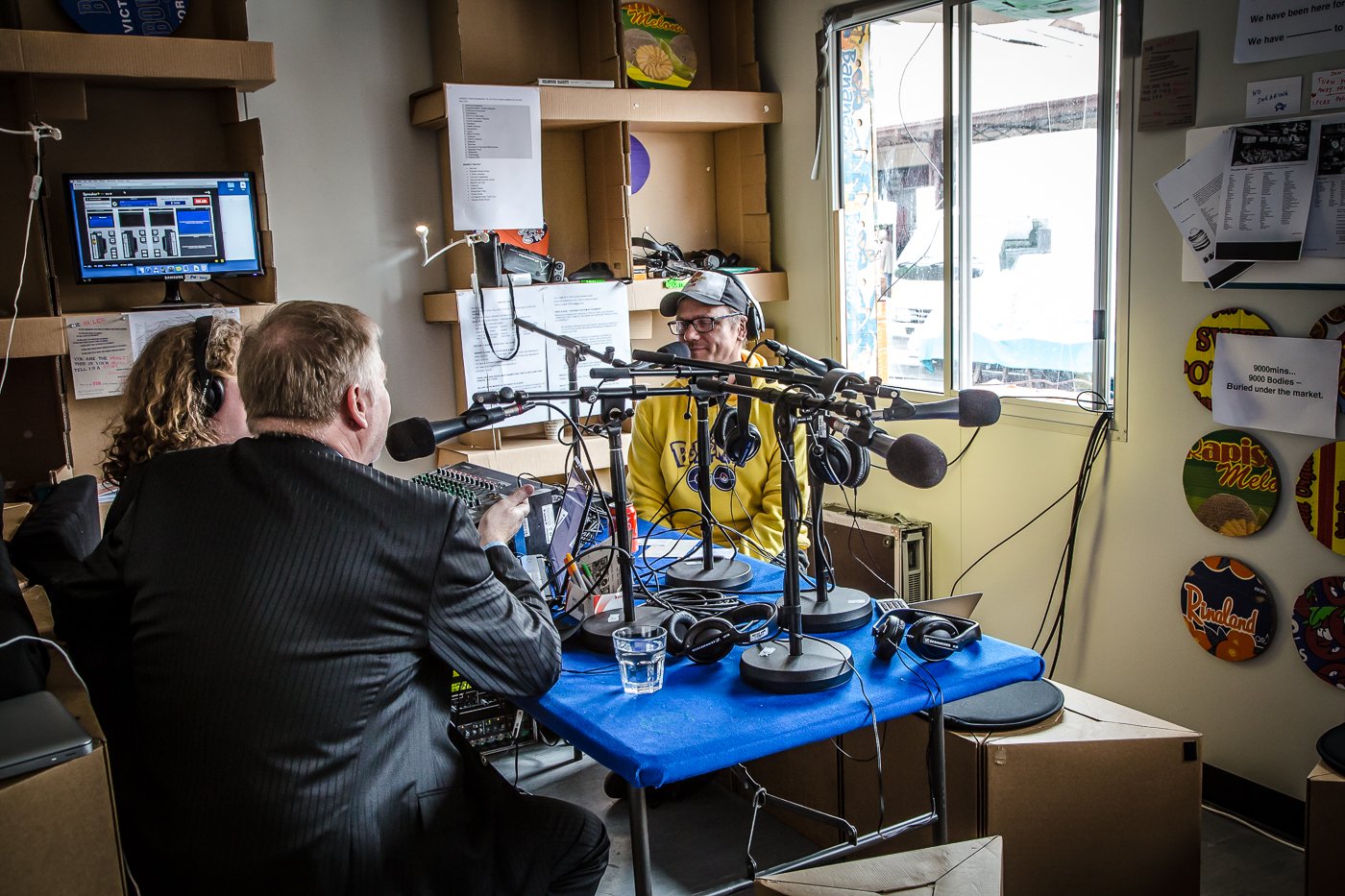
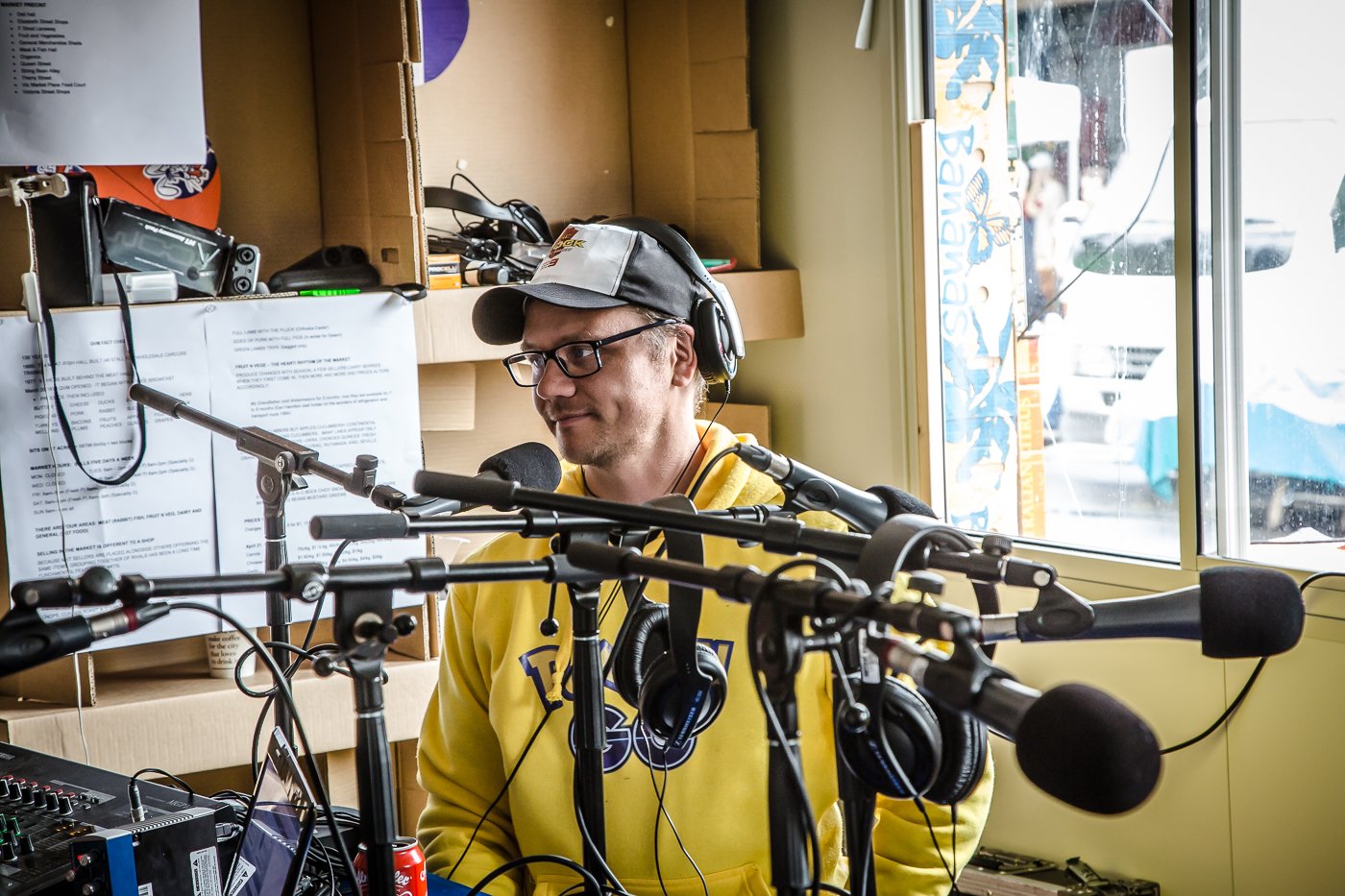
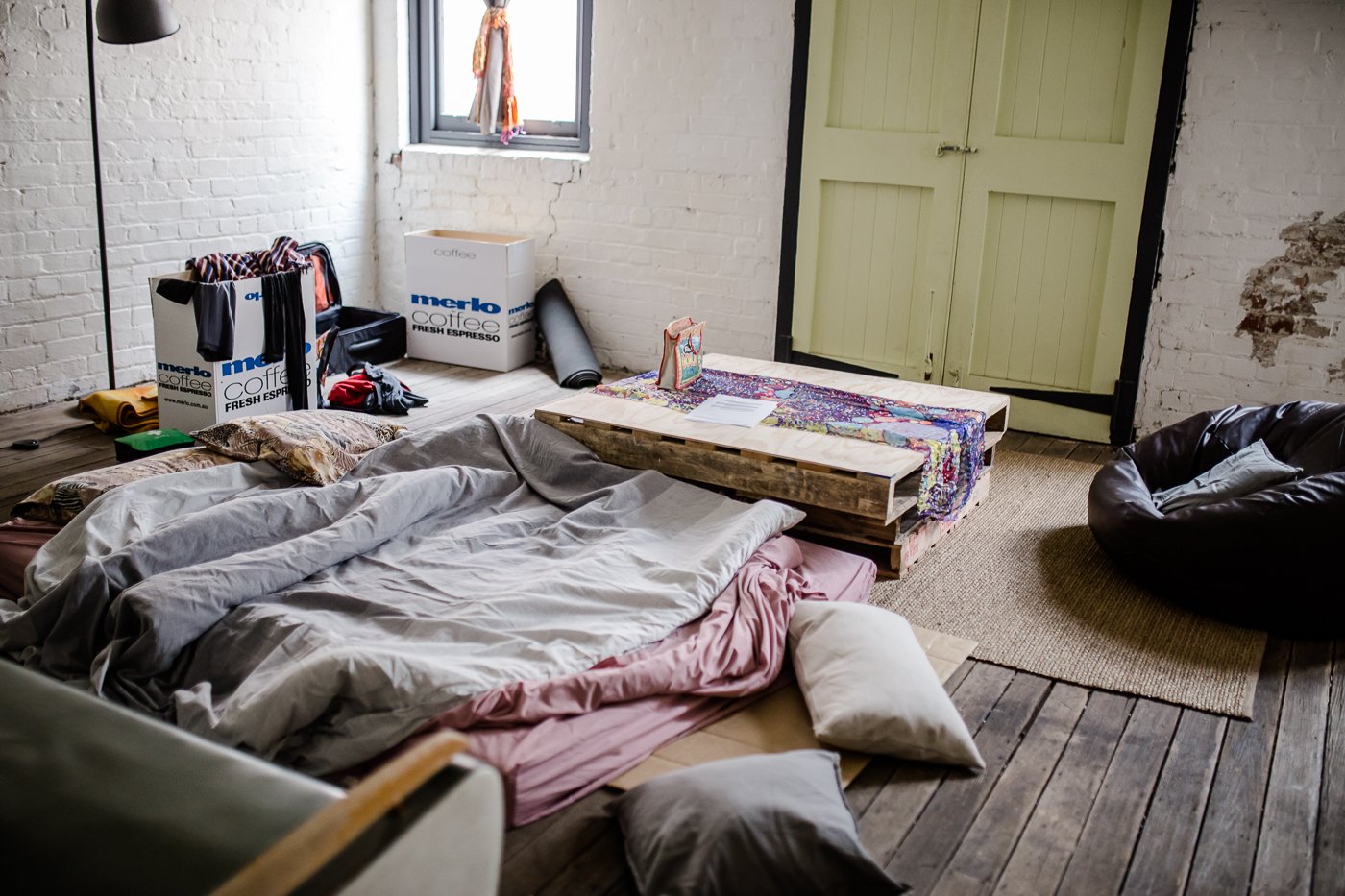
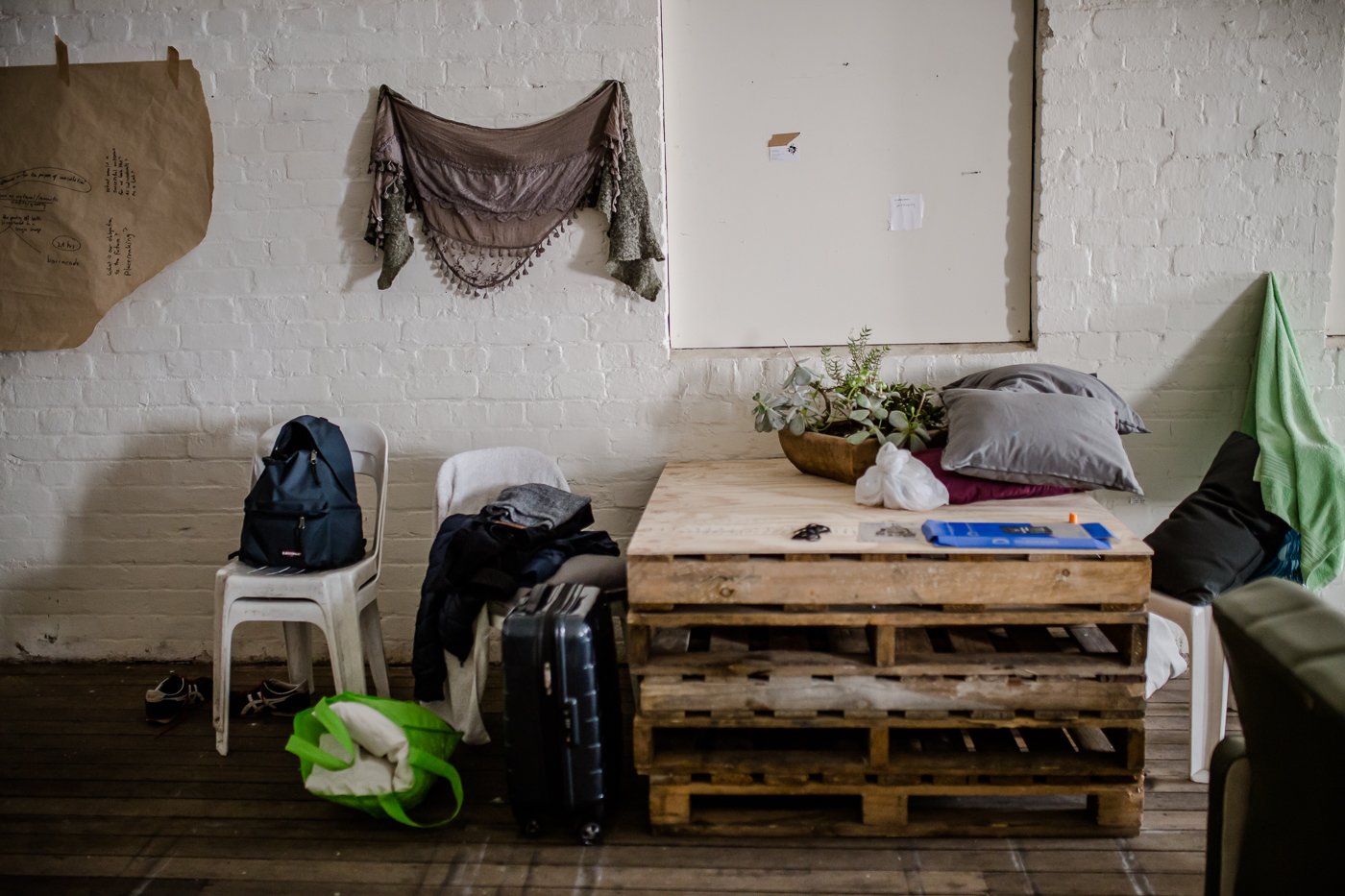
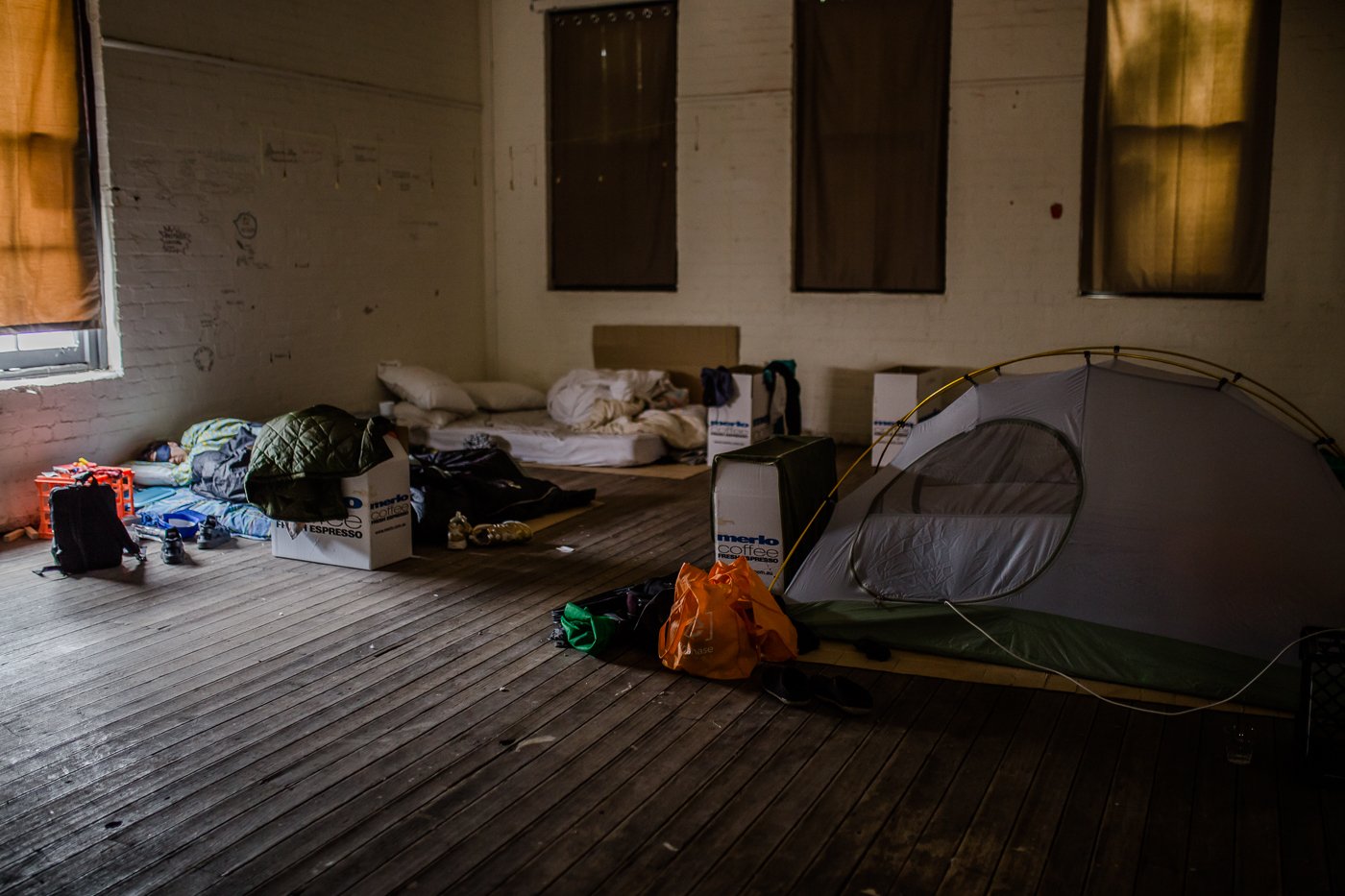
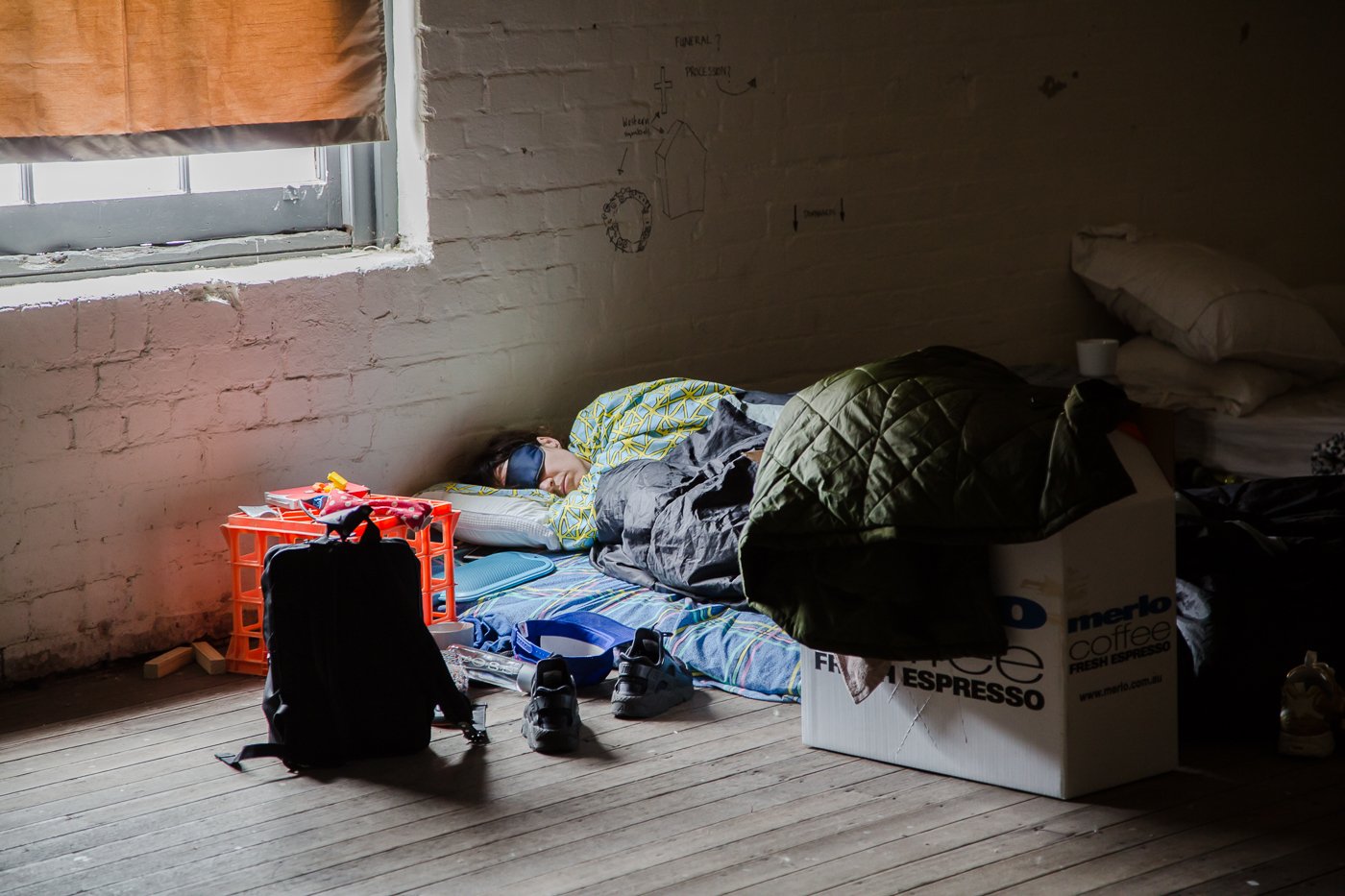
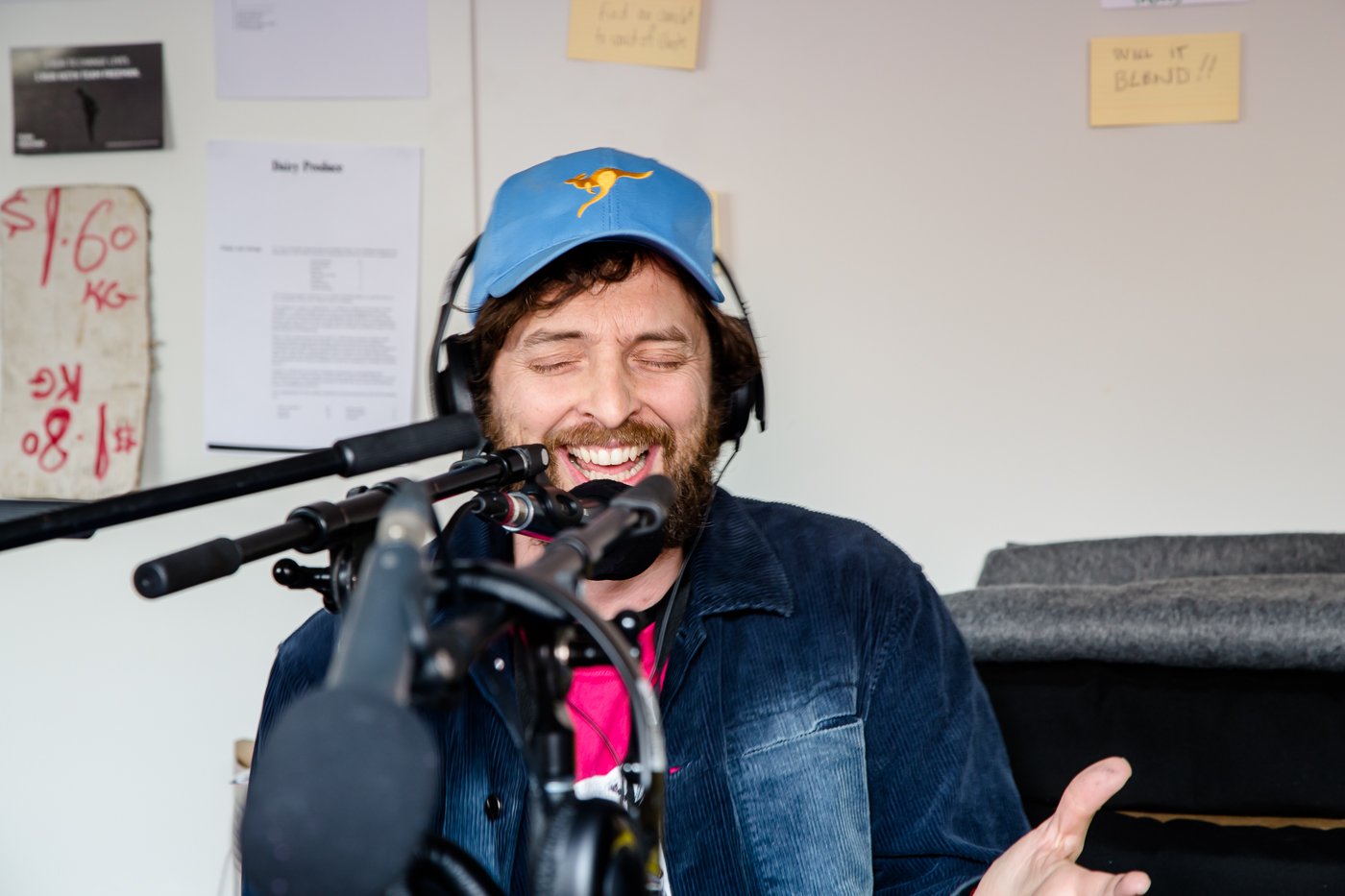
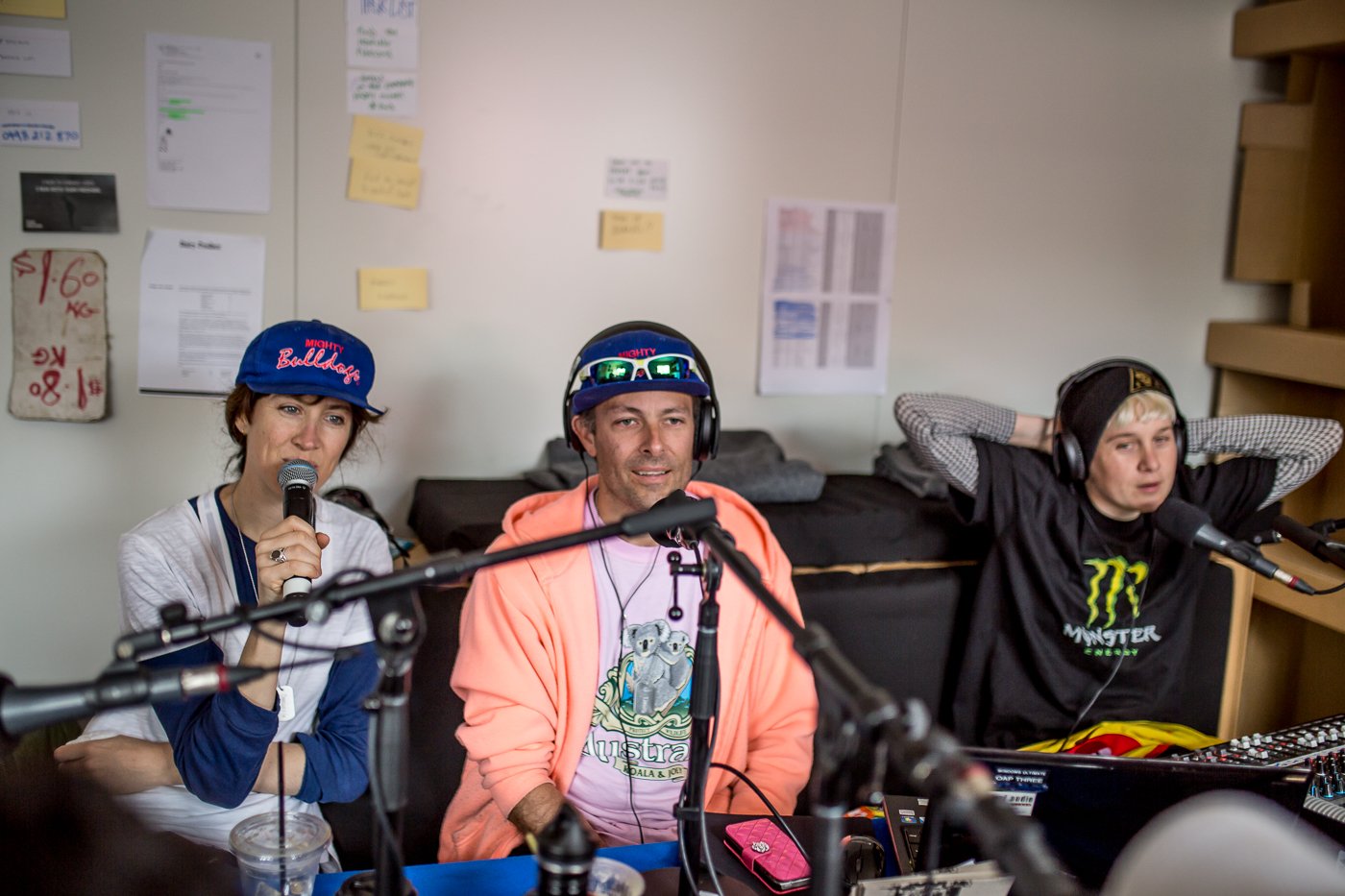
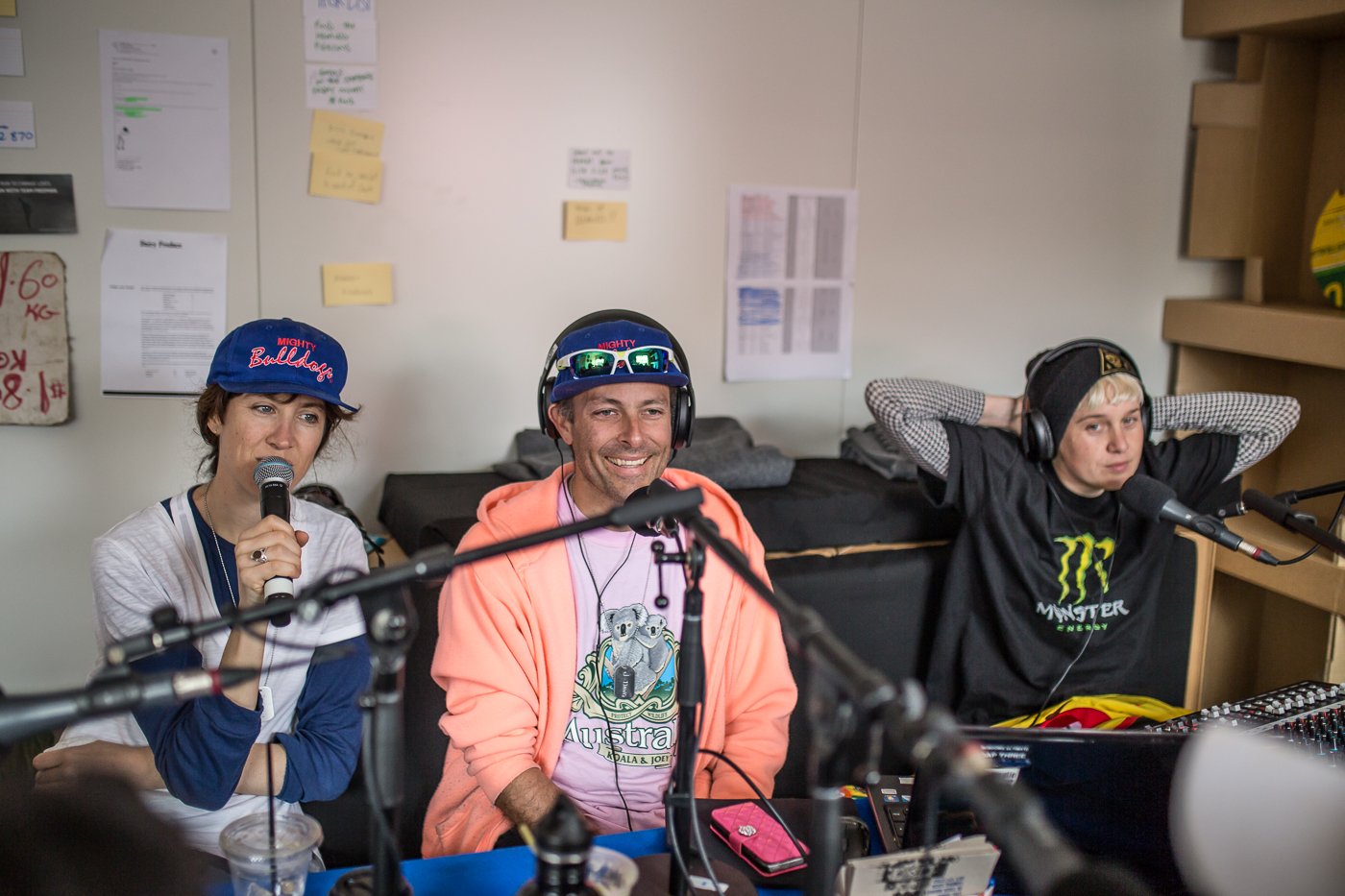
Field Theory operated in rotating shifts, with two people on air, two producing and two attempting to sleep. This structure worked well in theory and less well over time. Fatigue became part of the material. Long shifts blurred into research, production into performance, and basic decision-making into something slower and more philosophical.
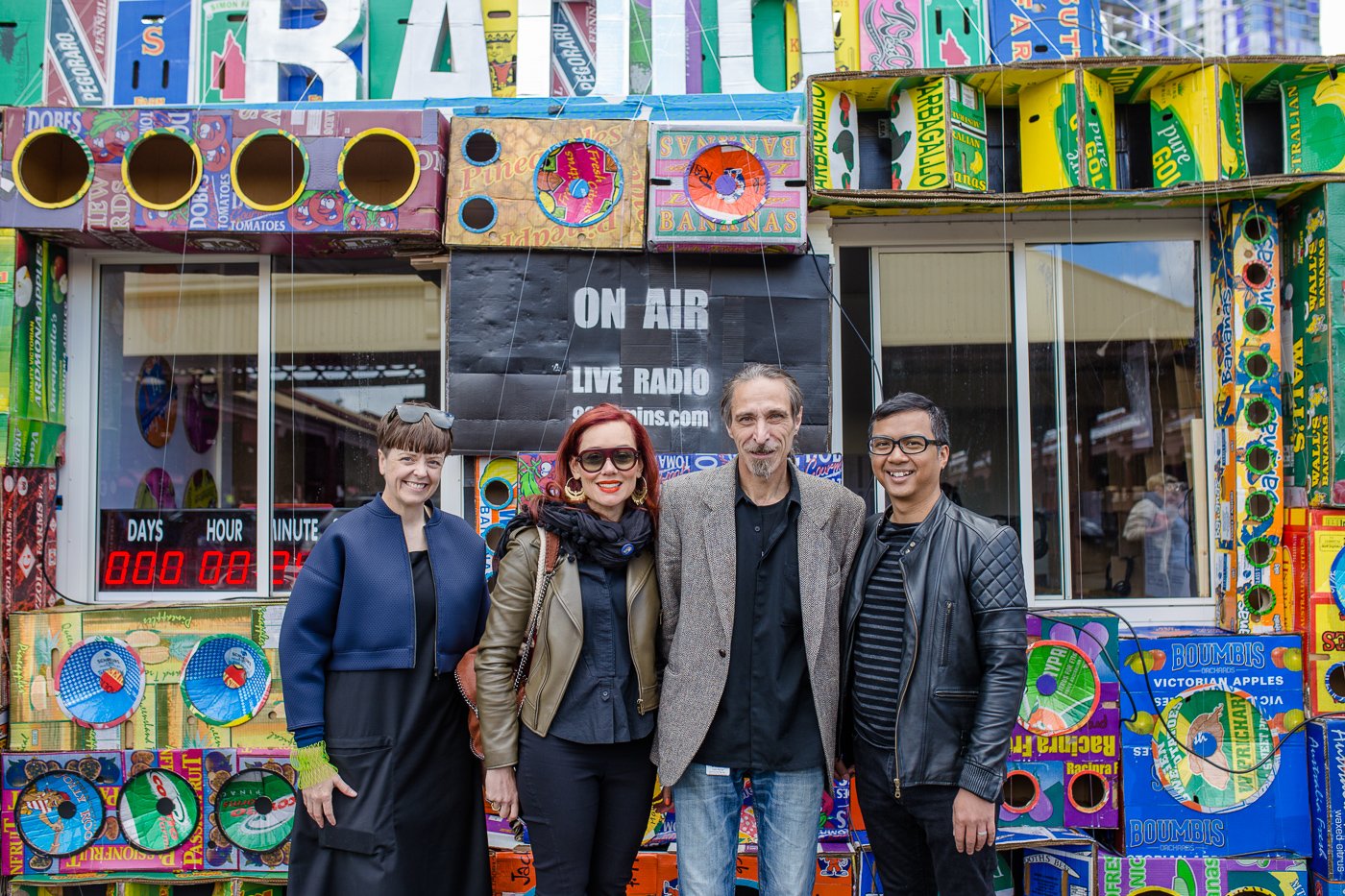
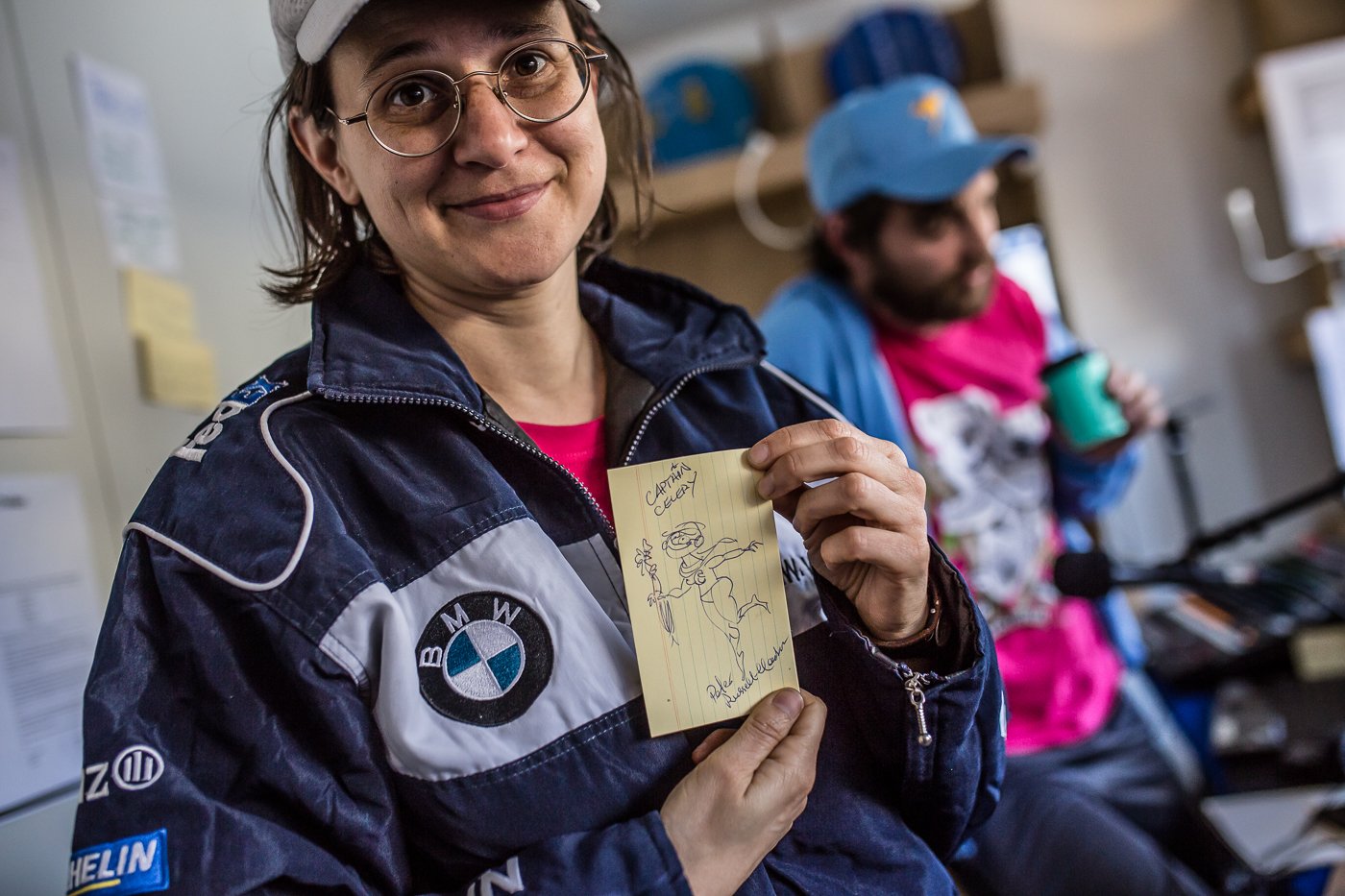
The project was performed by Field Theory, including Jason Maling, Lara Thoms, Sarah Rodigari, Martyn Coutts, Jackson Castiglione and Anna Schoo, with guest artists Mish Grigor and Bron Batten joining the broadcast.
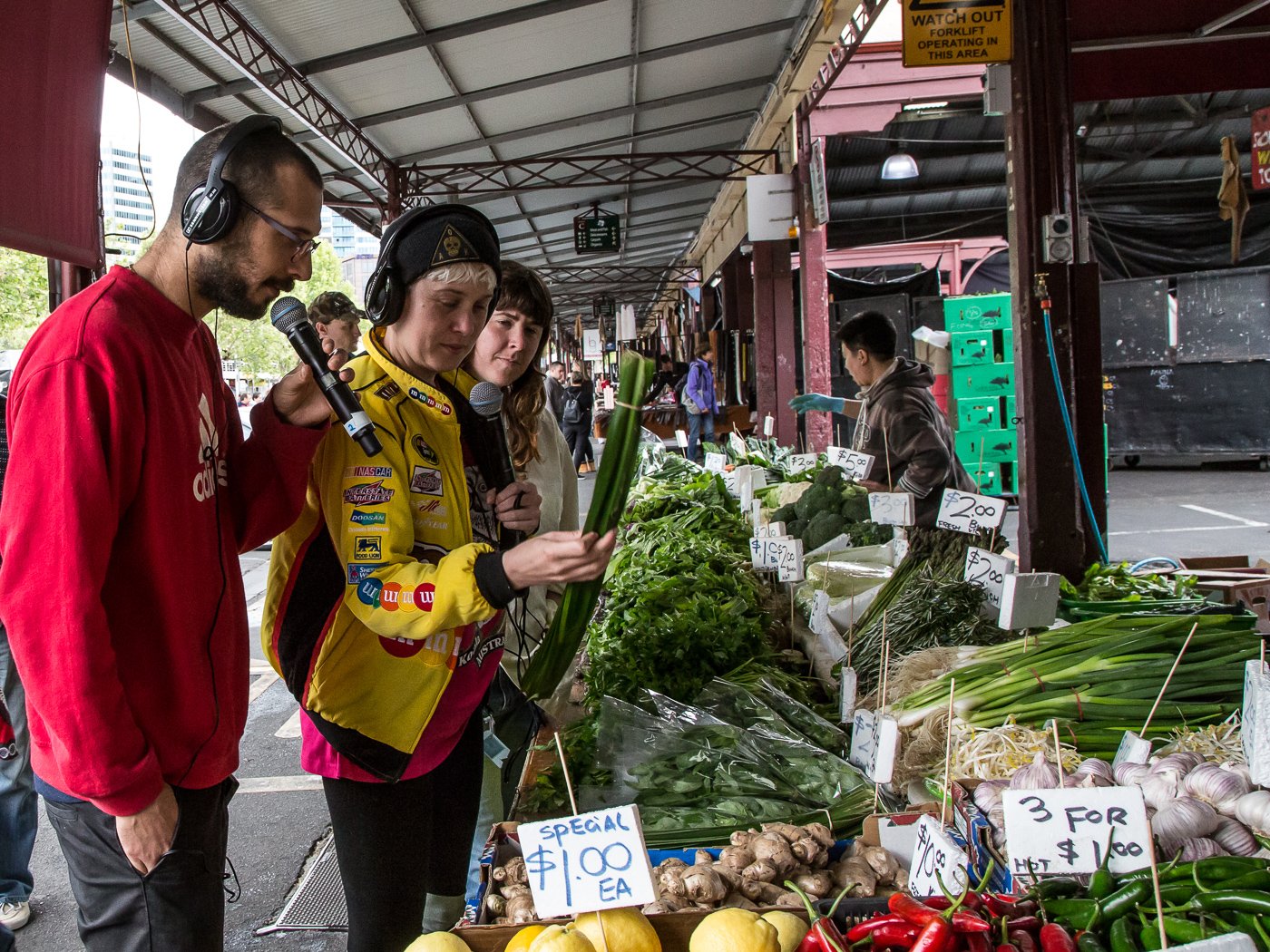
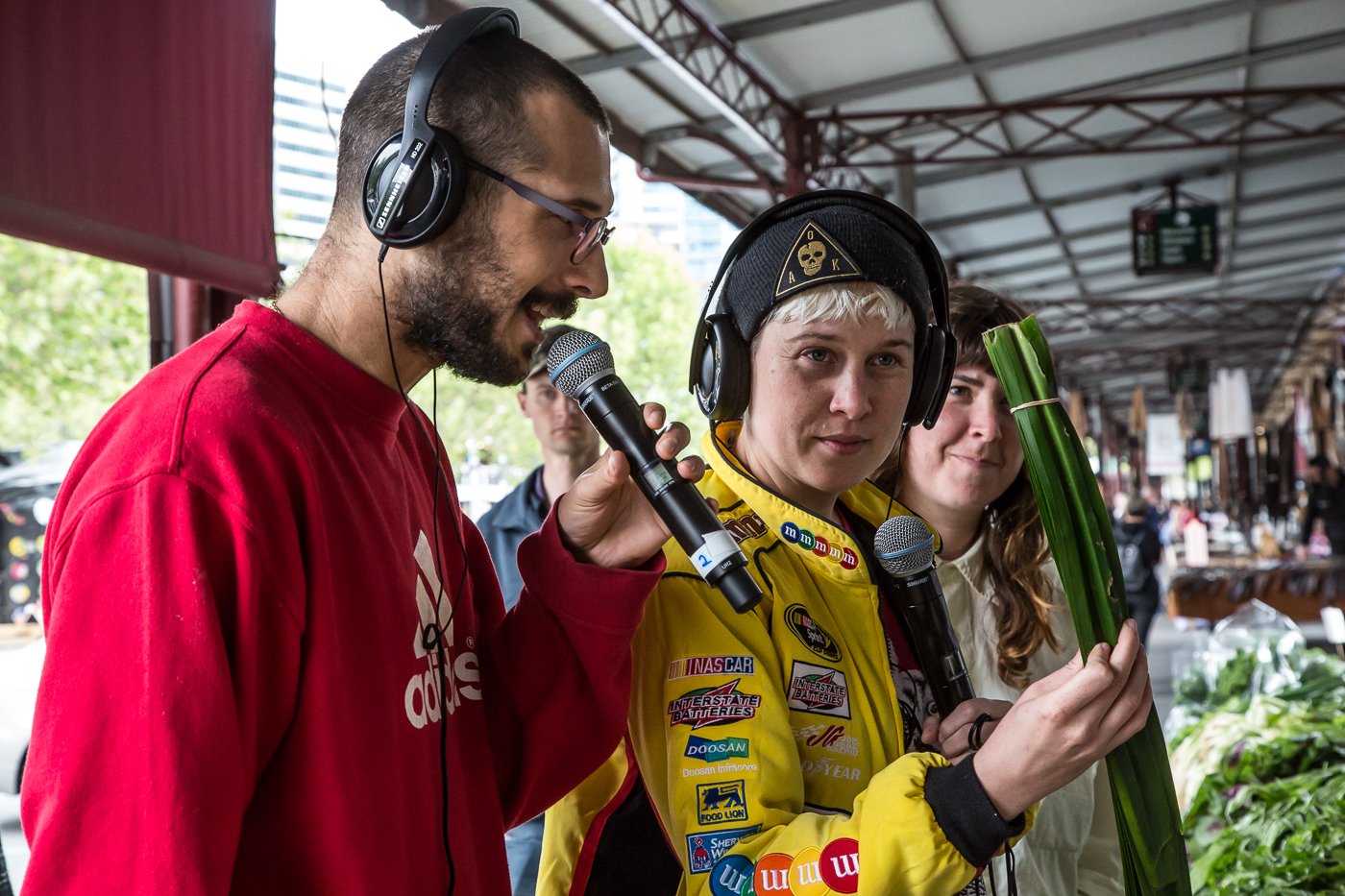
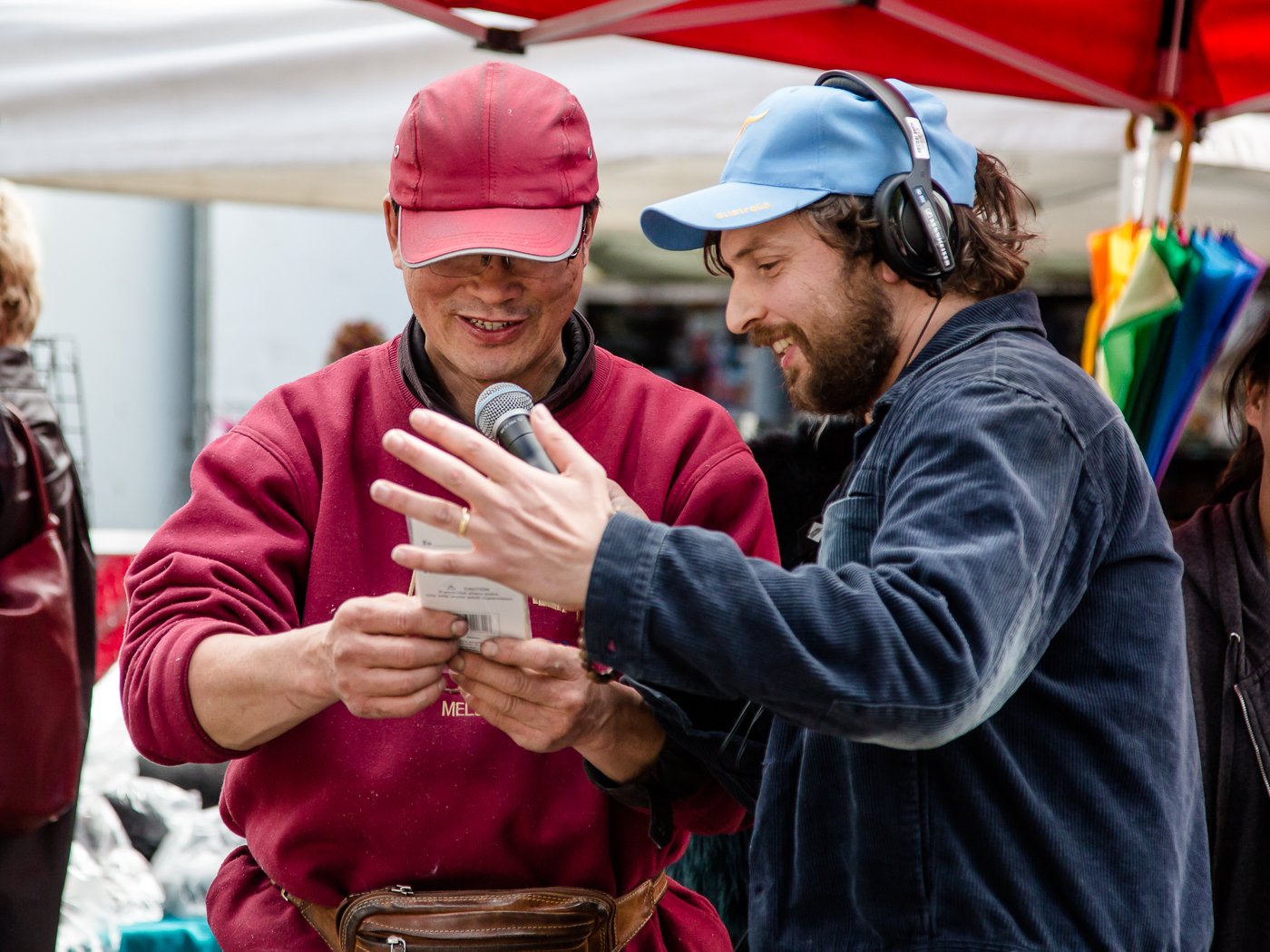
The market itself quickly became a collaborator.
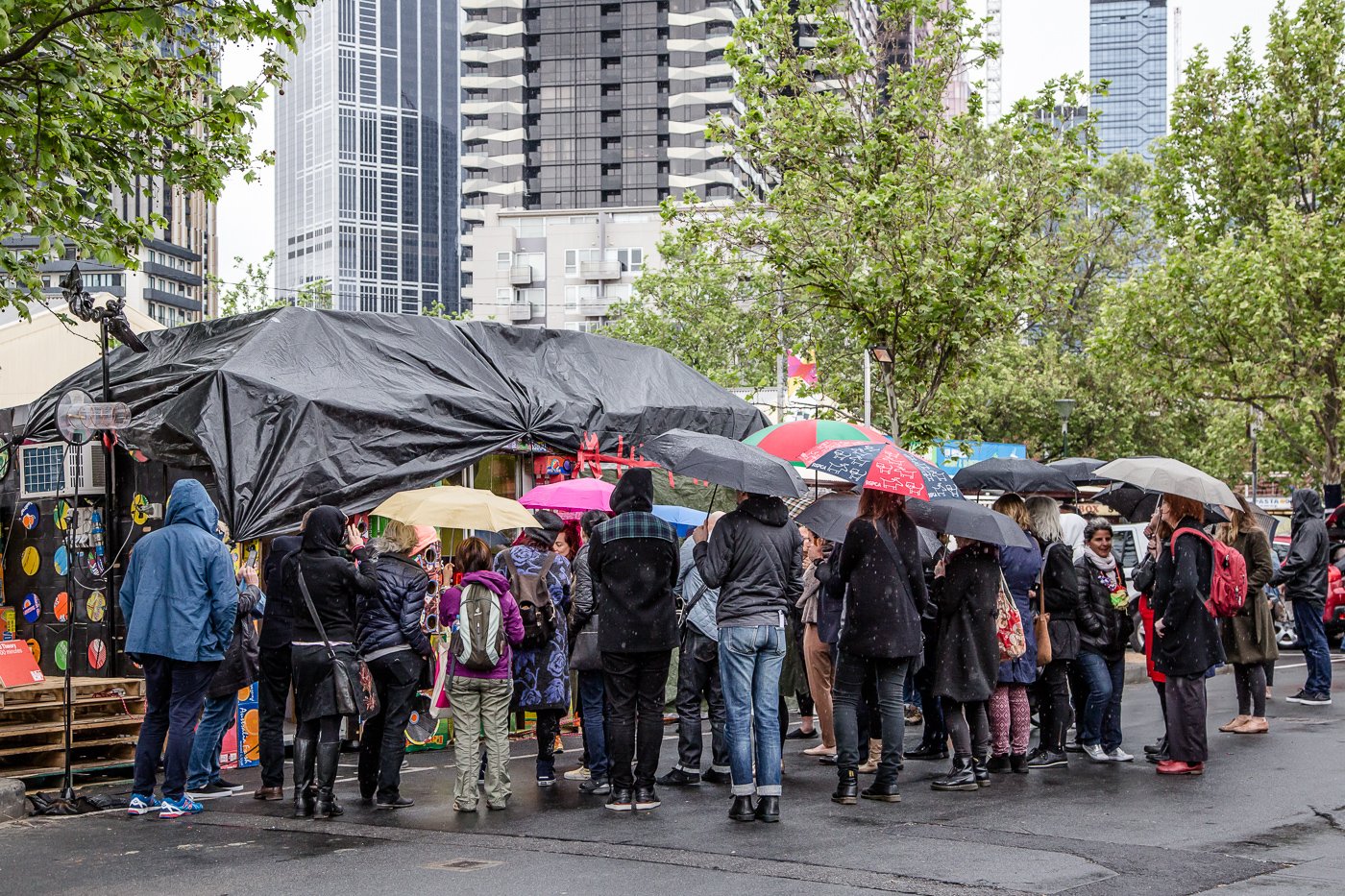
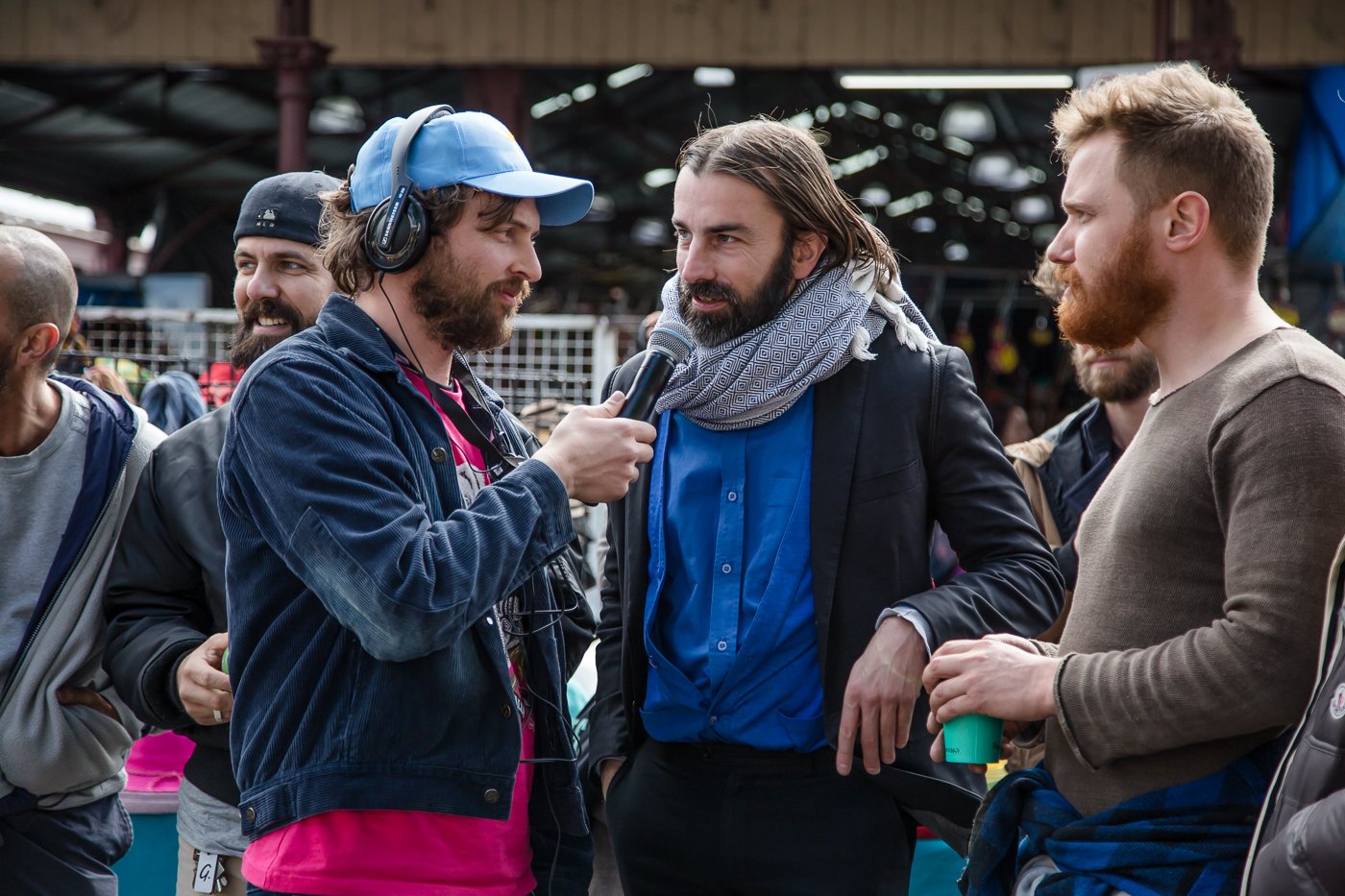
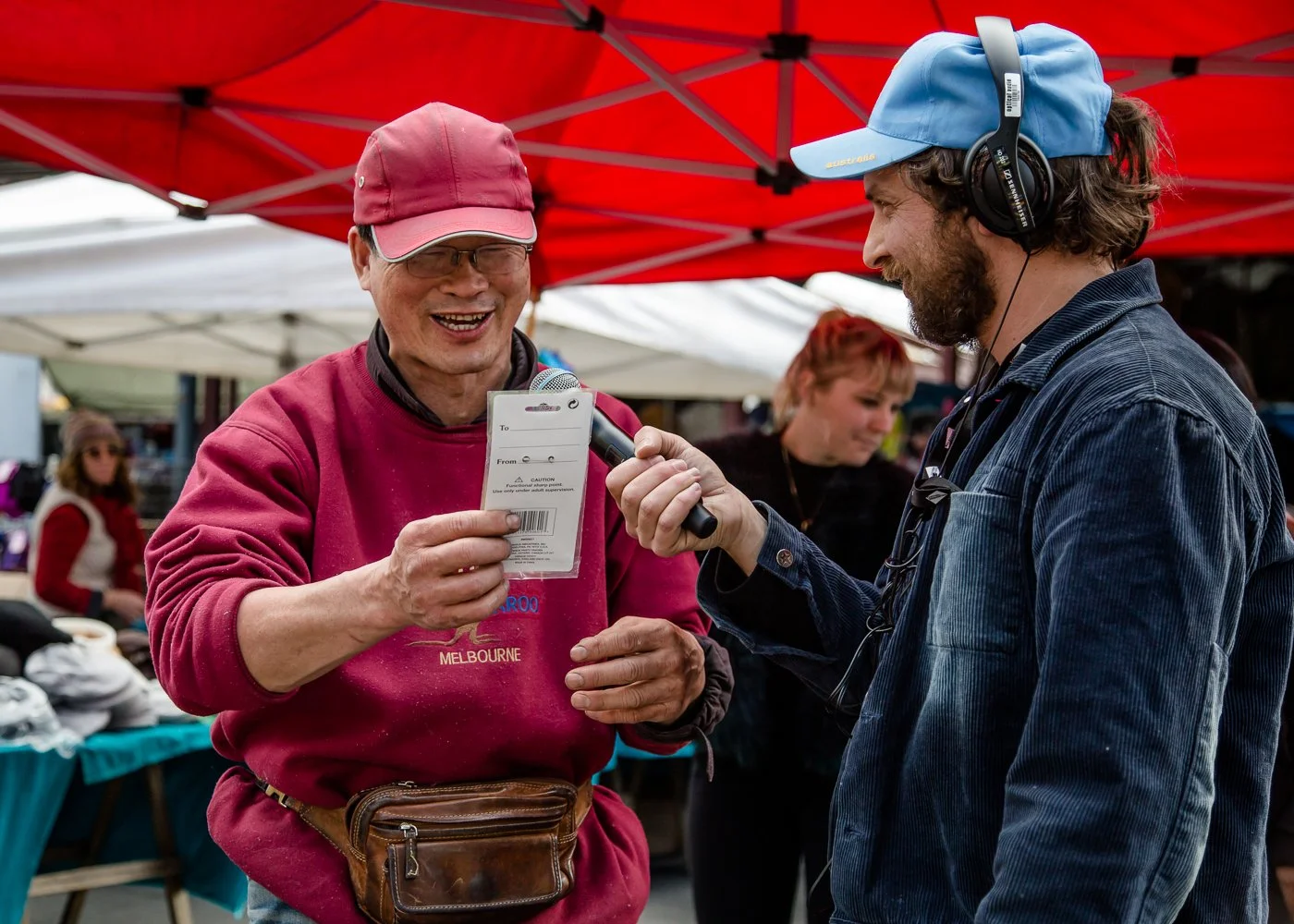
Stallholders dropped in. Regulars formed. As the days passed, listeners began supplying the collective with food, encouragement and occasional interventions. Plates appeared at odd hours. Conversations extended. The project generated its own support system, mostly driven by people who had decided this was now their problem too.
Running through all of this was a constraint that made things more interesting.
During the broadcast, Melbourne City Council elections were underway. Because the project was publicly funded, Field Theory was subject to caretaker period restrictions. They were explicitly prohibited from discussing the proposed market redevelopment, which was the central political issue shaping the site.
A live public broadcast, in the middle of a contested civic space, was not allowed to talk about the thing everyone was already talking about.
This created a sustained and slightly absurd tension. The absence of the topic became a structure in itself. It shaped the tone of the broadcast, producing deflection, build-up and increasingly elaborate ways of not saying the obvious thing.
In the final 24 hours, once the restriction lifted, the subject surfaced.
9000 Minutes extended the broadcast model developed in earlier works, but it pushed it further, making it longer, louder, more exposed and more entangled with the site that produced it.